

pool cleaning service for homes Kissimmee delivers regular testing, balanced sanitation, filter and equipment maintenance, and clear written reports, ensuring safe, crystal-clear water, reduced repair costs, and predictable scheduling; choose licensed, insured local technicians who provide transparent pricing, documented visits, family- and pet-safe treatments, and timely follow-ups.
pool cleaning service for homes Kissimmee often feels like another chore on a long to‑do list. Want a pool that’s clear, safe and guest-ready without the guesswork? I’ll show practical signs of reliable care and how Jolly Family keeps local pools sparkling.
what to expect from a professional pool cleaning service in Kissimmee
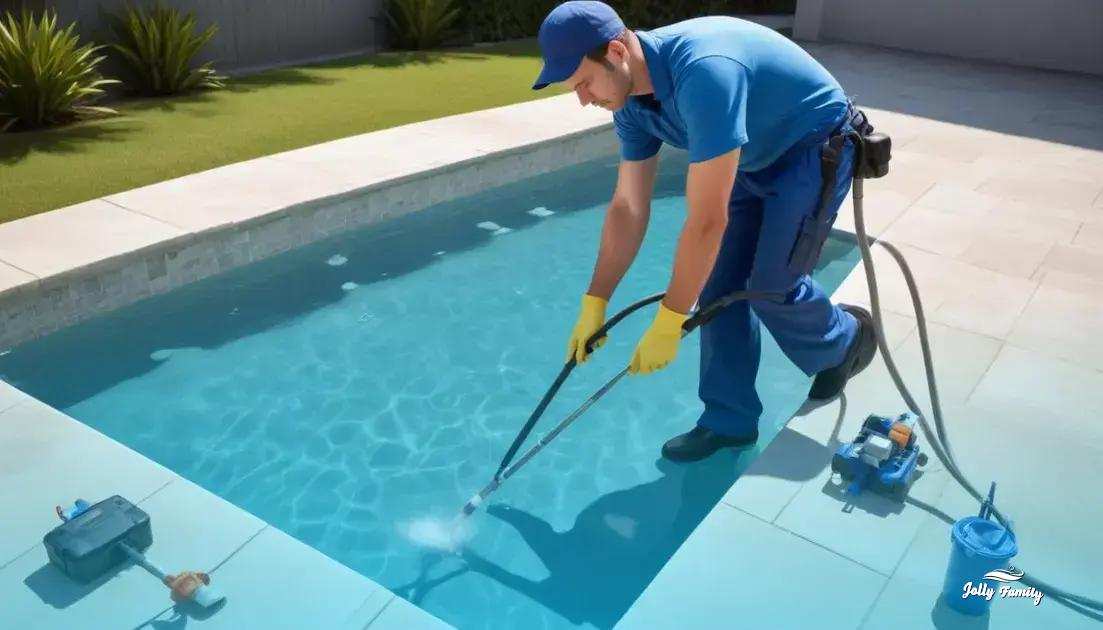
When a professional arrives, expect a brief walk-around and a clear plan for the visit. They should perform a quick water test, explain any visible issues, and confirm the estimated time. Routine tasks focus on surface cleanup, water balance, and equipment checks.
Typical cleaning checklist
- Skim and remove debris from the surface, skimmer baskets and pump strainer.
- Brush walls, steps and tile to dislodge dirt and prevent algae buildup.
- Vacuum the pool floor or run the automatic cleaner for a thorough sweep.
- Test and balance water: pH, total alkalinity, calcium hardness and sanitizer level.
- Apply shock or targeted algae treatment when required.
- Clean or backwash the filter and inspect the pump, heater and connections.
- Look for leaks, loose fittings, unusual sounds or worn equipment parts.
Most residential visits take about 30–60 minutes for standard pools. Expect longer sessions after heavy storms, high pollen days, or when algae is present. In Kissimmee’s warm, humid climate, technicians often recommend more frequent checks during wet seasons.
Questions to ask before booking
- Are you licensed and insured to work on my pool?
- Do you provide a written service report and clear pricing after each visit?
- Which chemicals and treatment methods do you use, and are they pet‑ and family‑safe?
- Do you offer maintenance plans, emergency visits or seasonal adjustments?
A reliable service will leave a short report, note recommended repairs, and offer a transparent estimate before extra work. Ask for before/after photos or a digital checklist if you want visual proof of the service.
weekly and monthly maintenance: checklist for a clear, safe pool
Keep your pool clear and safe with a simple set of weekly and monthly tasks you can follow without guesswork.
Weekly checklist
- Skim surface debris and rinse skimmer baskets to keep water flow steady.
- Brush walls, steps and tile to stop algae and scale buildup.
- Vacuum manually or run the automatic cleaner until the floor is free of dirt.
- Test water with a reliable kit: adjust pH to 7.2–7.6 and free chlorine to 1–3 ppm.
- Check total alkalinity and add balancing chemicals if outside 80–120 ppm.
- Shock the pool after heavy use, storms, or if chlorine drops quickly.
- Empty the pump strainer and inspect for leaves or hair that can block flow.
- Verify the water level and run the pump the recommended hours for your system.
Monthly checklist
- Clean or backwash the filter according to pressure gauge readings or manufacturer guidance.
- Test calcium hardness and adjust to the ideal range (typically 200–400 ppm) to protect surfaces and equipment.
- Measure cyanuric acid (stabilizer) and keep it around 30–50 ppm for outdoor pools.
- Inspect pump, heater, valves and hoses for leaks, cracks or unusual noise.
- Clean the salt cell if you have a salt system and record amp hours or manufacturer recommendations.
- Check lights, ladders and safety equipment for secure mounting and function.
- Review your service log, note trends and schedule repairs before small issues grow.
Tools and practical tips
- Use a digital photometer or high-quality test strips for accurate readings.
- Wear gloves and eye protection when handling chemicals and store them in a cool dry place.
- After heavy rain or high pollen days, repeat the weekly checks to prevent clouding and algae.
- Keep a simple log of readings and actions; this helps a technician diagnose recurring problems faster.
- Consider a short professional inspection every few months to catch hidden equipment wear.
how Jolly Family balances chemicals and treats common water problems
Jolly Family starts with a simple rule: test first, treat precisely. Techs check water, inspect equipment, then apply the right chemical or service for the exact problem.
testing and routine checks
- Use a digital photometer or high-quality strips to measure pH (7.2–7.6), free chlorine (1–3 ppm), total alkalinity and calcium hardness.
- Measure stabilizer (cyanuric acid) and aim for 30–50 ppm in outdoor pools.
- Record readings each visit to spot trends and avoid overcorrection.
- Inspect filter pressure, pump operation and visible plumbing for leaks or clogs.
common problems and how they treat them
- Cloudy water: Run thorough filtration, clean or backwash filters, and add a clarifier if particles are fine. For heavy cloudiness, use a flocculant then vacuum settled solids.
- Algae outbreaks: Brush surfaces, shock the pool with a strong oxidizer, then apply a targeted algaecide. Repeat brushing and maintain chlorine until algae is gone.
- Low chlorine: Check stabilizer level and sunlight exposure. They dose chlorine or shock and inspect feeders or salt cell performance on salt systems.
- High pH or alkalinity: Add pH decreaser or alkalinity reducer in small steps and retest after circulation. Correcting pH improves sanitizer efficiency.
- Scaling and cloudy calcium: Use a sequestering agent, adjust calcium hardness toward the ideal range, and clean scale from tiles as needed.
- Stains and metal issues: Test for metals, apply sequestrants, and use stain removers. Severe stains may need professional spot treatment.
treatment approach and timing
Treatments are staged: test, calculate dose, add chemicals with the pump running, and allow proper circulation time. Techs avoid mixing products and follow manufacturer wait times. For major fixes, they schedule follow-up checks within 24–72 hours.
safety, family and pet-friendly practices
- Technicians wear gloves and eye protection and store chemicals safely on the truck.
- They recommend clear wait times before swimming after chemical addition and post notices for customers.
- Products are chosen with family and pet safety in mind when possible; ask about alternatives if you have special concerns.
- Jolly Family provides written notes for every visit so homeowners know what was tested, what was added, and any next steps.
preventive care that saves repairs: filters, equipment and inspections
Regular preventive care cuts repair costs and keeps your pool running smoothly. Small checks catch problems early and extend the life of pumps, filters and heaters.
filter maintenance
- Clean or backwash according to the pressure gauge—do it when pressure rises 8–10 psi above normal.
- Inspect cartridges or DE grids for tears or buildup and replace when worn.
- Rinse skimmer and pump baskets weekly to prevent flow loss.
- Keep the area around the filter clear so it can vent and cool properly.
equipment inspections
- Check the pump for unusual noise or vibration; these often signal worn bearings or an air leak.
- Look for leaks at unions, seals and valves; tighten or replace fittings as needed.
- Inspect O-rings and gaskets, lubing or replacing them during routine service.
- For salt systems, clean the cell per manufacturer guidance and record amp hours.
- Verify heater operation, look for corrosion, and confirm proper ignition or pilot function.
inspection schedule and warning signs
- Do quick weekly checks for debris, water level and visible leaks.
- Perform monthly filter and pressure checks, and a full equipment review every 3 months.
- Watch for signs like rising filter pressure, reduced flow, cloudy water, strange noises or higher energy bills—each can predict a bigger failure.
simple owner actions vs pro repairs
- Owners can clean baskets, vacuum, brush and record chemical readings.
- Replace small parts like worn gaskets or cracked hoses if comfortable and the system is off.
- Call a pro for motor replacement, taped leaks in plumbing, complex electrical issues or when repairs affect warranty.
- Schedule seasonal tune-ups to catch hidden wear before it becomes costly.
logs, warranties and long-term savings
Keep a simple log with dates, readings, photos and services performed. A clear record helps techs diagnose recurring issues faster and supports warranty claims. Small, regular investments in maintenance usually cost far less than major equipment replacement.
scheduling, transparent communication and choosing a reliable local team
Clear scheduling and honest communication make a big difference in pool care. Choose a local team that shows up on time, answers questions simply, and documents every visit.
scheduling best practices
- Pick a regular service window (same day and time each week) so you know when techs arrive.
- Ask about flexible options for heavy-weather adjustments, holiday weeks or extra visits after storms.
- Confirm appointment reminders by text, email or call—choose what works for your household.
- Check if the company offers online booking, same-day service for emergencies, and easy rescheduling.
what good communication looks like
- Written service reports after each visit with tests, chemicals added and recommended repairs.
- Before any extra work, clear estimates and a timeline so you avoid surprise charges.
- Photos or short videos for visual proof of issues and completed repairs.
- A single point of contact or a small team so messages don’t get lost.
choosing a reliable local team
- Verify licensing, insurance and local references; ask neighbors or check recent online reviews.
- Look for transparent pricing, service agreements and clear warranty or guarantee terms.
- Prefer companies that offer background-checked technicians and visible ID at each visit.
- Ask about training, how they handle chemical safety, and whether they follow local regulations.
questions to ask before hiring
- Can you show proof of insurance and local licenses?
- Do you provide written estimates and service reports after each visit?
- How do you handle emergency calls and same‑day repairs?
- What is your cancellation or make‑up visit policy?
Trust grows from clear promises kept. A reliable local team will communicate simply, keep consistent scheduling, and give you records so you feel confident about your pool care.
Ready to keep your Kissimmee pool clear and safe?
Regular care saves money and keeps swimming enjoyable. A trusted local team can handle testing, filters, and repairs so you don’t worry about the details.
Ask for written reports, clear pricing, and a set schedule. Small, steady steps—weekly checks and seasonal inspections—prevent big problems.
If you want a reliable routine, contact a licensed pool service in Kissimmee and set a simple plan. Your pool will stay sparkling, safe, and ready for family time.
FAQ – Pool cleaning service for homes in Kissimmee
What does a typical service visit include?
A standard visit usually covers skimming debris, brushing walls, vacuuming, testing and balancing water, cleaning baskets, and a quick equipment check. The tech should leave a brief service report.
How often should I schedule pool cleaning in Kissimmee?
Most homeowners use weekly service during hot, rainy months and every 1–2 weeks in quieter seasons. Heavy storms, high pollen or frequent use may need extra visits.
Are pool chemicals safe for my family and pets?
When applied by pros in the correct doses, chemicals are safe. Technicians follow wait times after treatment and can recommend family‑ and pet‑friendly options if needed.
How much does residential pool cleaning cost?
Costs vary by pool size, condition and service frequency. Expect a basic weekly clean to range by market rates; ask for a written estimate that lists tasks and fees.
What should I check before hiring a local pool team?
Verify licensing and insurance, read recent reviews, ask for references, confirm written reports and transparent pricing, and ensure techs are background checked and trained.
What happens if my pool needs repairs between regular visits?
A reliable company will offer emergency or repair scheduling, provide a clear estimate, and explain timing. Small fixes may be done quickly; major repairs require an inspection and plan.