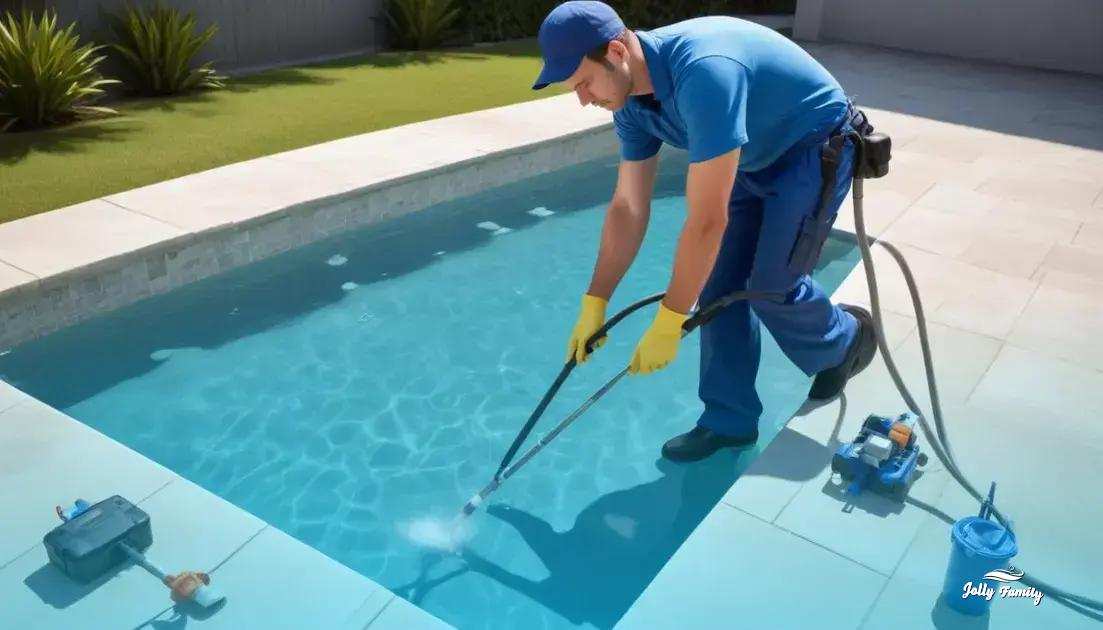

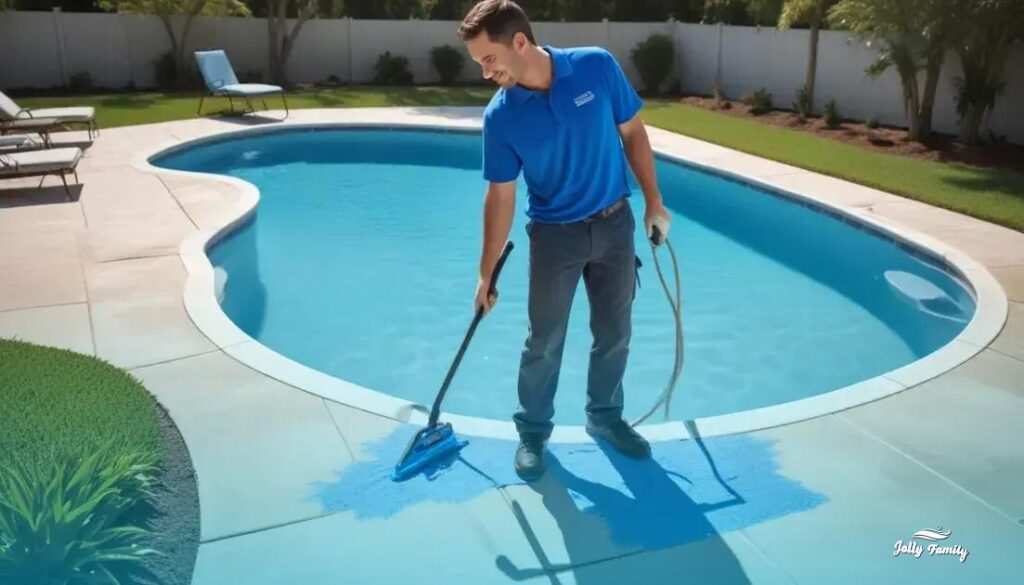
pool cleaning taking too much time? Common causes are clogged filters, poor circulation, excess organic debris, and unbalanced chemistry; streamline with a weekly checklist, empty skimmer baskets, a variable-speed pump or robotic cleaner, and timely filter maintenance to cut hours and prevent recurring, time-consuming treatments.
pool cleaning taking too much time — you’re not alone; many homeowners spend several hours weekly on chores that could be quicker. Imagine your pool like a small garden: one smart tool or a Jolly Family tune-up makes maintenance far easier. Below you’ll find clear steps to reclaim weekends and keep water safe.
Why pool cleaning often takes too long: common causes
Many pools take too long to clean because small problems add up. Equipment issues, heavy debris, poor chemistry, and inefficient routines are the usual culprits. Fix one or two and you can cut hours from weekly chores.
Major causes
- Clogged filters and skimmer baskets: When filters or baskets fill, flow drops. Low flow means debris and dirt stay in the pool longer.
- Poor circulation or wrong pump size: A weak or incorrectly sized pump can’t move water fast enough for filters and cleaners to work well.
- Too much organic debris: Leaves, pine needles, and grass demand manual skimming and can quickly overwhelm equipment.
- Algae and imbalanced chemistry: If pH, chlorine, or alkalinity are off, algae grow fast. Treating an outbreak is time-consuming.
- Inefficient cleaning process: Brushing after vacuuming, vacuuming in the wrong pattern, or skipping pre-raking wastes time.
- Lack of automation or modern tools: Relying only on manual tools instead of a robotic cleaner or proper vacuums adds hours.
- Poor maintenance habits: Irregular backwashing, late filter changes, and skipping scheduled checks make each session longer.
Quick checks to spot time sinks
- Check filter pressure — a high gauge means cleaning or backwash is needed.
- Empty skimmer and pump baskets before starting other tasks.
- Test water for chlorine and pH; imbalances point to longer treatment times.
- Look for visible algae on walls and floor; early brushing helps a lot.
- Observe circulation — surface debris moving toward skimmers means good flow; if not, inspect the pump and returns.
Small fixes that save big time
- Keep baskets clean so the pump runs efficiently.
- Brush weekly to prevent stubborn spots that need long scrubbing later.
- Use a leaf net or cover when trees are shedding to cut manual skimming time.
- Consider a robotic cleaner for vacuums and scrub jobs while you do other tasks.
- Set a regular, short checklist: skimmer, filter gauge, quick brush, and chemical test — consistent care prevents long cleanup sessions.
Weekend quick fixes that cut your cleaning time in half
Pick a focused weekend window and follow a clear order to cut cleaning time. Small steps done in the right sequence save the most hours.
Weekend routine in 6 fast steps
- Clear large debris first (5–10 minutes): Use a deep leaf net to remove leaves and branches. Big debris clogs filters and wastes vacuum time.
- Empty skimmer and pump baskets (2–3 minutes): Remove trapped material before running equipment. A clean basket restores flow immediately.
- Brush problem areas (5 minutes): Brush walls and shallow steps to loosen dirt. Brushing early prevents long scrubbing later.
- Run a robotic cleaner or vacuum while you test water (20–60 minutes): Let the cleaner do the floor work while you use test strips or a digital tester at the pool edge.
- Test and adjust chemicals quickly (10–15 minutes): Check chlorine, pH, and alkalinity. Add shock or pH adjusters in small doses and wait the short recommended time before retesting.
- Backwash or clean filter if needed (5–15 minutes): If filter pressure is high, backwash or rinse cartridges to restore flow and improve cleaning efficiency.
Time-saving tools to invest in
- Robotic pool cleaner: Works while you handle quick tasks; excellent ROI on time saved.
- Deep-capacity leaf net: Picks up large debris fast without repeated passes.
- Telescopic pole with attachments: Swap skimmer, brush, and vacuum head quickly.
- Quick test kit or digital tester: Fast, reliable readings cut guesswork and repeat tests.
- Automatic pump timer: Run circulation during off-hours and on efficient cycles.
Quick chemical fixes that save time
- Use a targeted shock treatment for early algae signs rather than long, small doses.
- Apply a clarifier when water is slightly cloudy to speed up filter removal of fine particles.
- Maintain stabilizer (cyanuric acid) at recommended levels to keep chlorine effective longer.
- Always add chemicals in small, measured amounts and retest to avoid overcorrection and extra work.
Quick checklist habit: Keep a 6-item checklist by the equipment pad—skimmer, baskets, brush, cleaner, test, filter—and follow it each weekend. Consistency prevents long, exhausting cleanup sessions.
Tools and upgrades that actually save hours (pumps, cleaners)
Choosing the right tools and a few smart upgrades can cut pool work by hours each month. Focus on efficient pumps, reliable cleaners, and small equipment tweaks that keep dirt from coming back.
Pumps that cut hours
- Variable-speed pump: Runs slower for daily circulation and faster for cleaning. This reduces energy use and lets filters work longer without clogging.
- Correct pump size: A pump that is too small or too large wastes time and reduces cleaning power. Match pump flow to your filter and plumbing for best results.
- Automatic pump timer: Schedule circulation during off-hours and after heavy use. Consistent run times prevent debris buildup and reduce manual cleaning.
Cleaners that let you skip chores
- Robotic cleaners: Scrub and vacuum the floor independently. They remove fine particles that clog filters and free up your time.
- Pressure-side and suction-side options: Pressure cleaners work well with high-flow systems; suction cleaners are simpler but rely on good circulation. Choose one that fits your pump and pool shape.
- In-floor cleaning systems: Built into the pool, they push debris to the main drain. They lower manual vacuum needs but require professional installation.
Filters and skimmers that speed work
- Upgrade filter media: Cartridge filters are easy to rinse; DE filters capture fine particles. Better filtration means fewer vacuum sessions.
- Large-capacity skimmer baskets: Bigger baskets fill less often. Emptying them before each cleaning run keeps flow steady.
- Easy-access equipment pad: Organize valves, hoses, and spare parts so small fixes don’t become long projects.
Automation and smart controls
- Pool automation systems: Control pumps, cleaners, and heaters from a phone. Automate routines and reduce guesswork.
- Smart chemical feeders: Maintain sanitizer levels automatically to prevent algae and long shock treatments.
How to choose upgrades
- Check current pump flow and filter condition before buying.
- Match a new cleaner to your pool shape and surface type.
- Prioritize upgrades that save both time and energy for faster ROI.
Routine and checklist: organize weekly care for faster results
Set one short weekly routine and follow it the same day each week to stop small issues from growing. A steady habit makes each session faster.
Weekly checklist
- Skim surface (5–10 minutes): Remove leaves and large debris first with a deep leaf net.
- Empty skimmer and pump baskets (2–3 minutes): Clear baskets before running equipment to restore full flow.
- Brush walls and steps (5 minutes): Light brushing prevents algae and cuts scrubbing time later.
- Run cleaner or vacuum while you test water (20–60 minutes): Let a robotic cleaner work while you check chemicals.
- Test and adjust chemicals (10 minutes): Check chlorine, pH, and alkalinity and add small, measured doses as needed.
- Check filter pressure (2 minutes): If pressure is high, backwash or clean cartridges to keep circulation strong.
Quick tools and layout
- Keep a small kit by the equipment pad: test strips, shock, pH adjuster, a small brush, and gloves.
- Organize tools on a telescopic pole with quick-attach heads for skimmer, brush, and vacuum.
- Label valves and keep spare parts nearby for fast adjustments.
Practical habits that save time
- Pick a fixed day and set a phone reminder to build consistency.
- Do the checklist in the same order every week so tasks flow naturally.
- Log one quick note after each session: filter pressure and last chemical dose. Small records stop repeated fixes.
- Use a robotic cleaner or run the pump on a timer to work while you do quick checks.
Routine wins: a 30–45 minute weekly session prevents long, tiring cleanups and keeps your pool ready faster.
When to call professionals: how Jolly Family speeds service in Kissimmee
Call a professional when a problem lasts after basic checks or when equipment shows damage. Quick fixes help, but some jobs need tools and experience.
Signs you should call a pro
- Persistent cloudy water after normal treatment — may signal system or chemical issues.
- Recurring algae despite proper chlorine and brushing.
- High filter pressure that doesn’t drop after backwash or cleaning.
- Unusual noises or vibration from the pump or motor.
- Visible leaks in plumbing, around fittings, or large unexplained water loss.
- Electrical faults such as tripped breakers when the pump runs.
How Jolly Family speeds service in Kissimmee
- Fast scheduling: same-day or next-day slots reduce downtime.
- Stocked trucks: common parts and tools on board cut return trips.
- Trained technicians who diagnose issues quickly and suggest practical fixes.
- Local know-how: technicians understand Florida conditions like high debris and heat-related chemistry swings.
- Clear estimates and straightforward repair options to avoid long decision times.
- Preventive plans that reduce emergency calls and keep systems running smoothly.
What to expect during a service visit
- Quick walk-through and safety check of equipment and electrical connections.
- System diagnostics: pressure, flow, and chemical readings.
- A brief explanation of the problem and a clear repair plan or estimate.
- If possible, on-the-spot repairs using stocked parts; otherwise a scheduled follow-up.
- Final tests to confirm water clarity and proper circulation.
How to prepare before the technician arrives
- Clear the area around the equipment pad and gate for easy access.
- Have recent chemical test results or notes on recent treatments available.
- Empty skimmer baskets and remove large debris to speed inspection.
- Write down any odd noises, leaks, or when the issue began to help diagnosis.
Tip: calling a pro early often avoids longer, costlier repairs later and gets your pool back to normal faster.
Wrap-up: keep pool cleaning quick and easy
Small changes add up. Fix clogged filters, empty skimmer baskets, and keep chemistry balanced to cut hours each week. A short weekly routine prevents long, tiring cleanups.
Focus on three moves: skim large debris, run a robotic cleaner while you test water, and follow a simple checklist. These steps save time and make maintenance predictable.
If issues persist after basic checks, call a trusted professional early. Fast service and the right parts stop small problems from becoming costly repairs.
FAQ – pool cleaning time and fast solutions
Why is my pool cleaning taking too much time?
Small issues add up: clogged filters, full skimmer baskets, poor circulation, heavy debris, or unbalanced water all make cleaning longer.
How often should I clean filters and skimmer baskets?
Empty skimmer and pump baskets weekly and check filter pressure every week. Clean or backwash filters when pressure is high or every 2–4 weeks depending on use.
Will a robotic cleaner really save me time?
Yes. A robotic cleaner scrubs and vacuums while you do other tasks. It removes fine debris that clogs filters and reduces manual vacuuming.
When should I call a professional instead of fixing it myself?
Call a pro if problems persist after basic checks, if there are leaks, odd pump noises, electrical issues, or repeated algae despite proper treatment.
What simple weekend routine cuts cleaning time the most?
Skim large debris, empty baskets, brush key spots, run a cleaner while you test chemicals, then backwash or clean the filter if needed.
Which upgrades give the best time savings for the budget?
A variable-speed pump, a robotic cleaner, and improved filter media (cartridge or DE) offer strong time and energy savings for most pools.