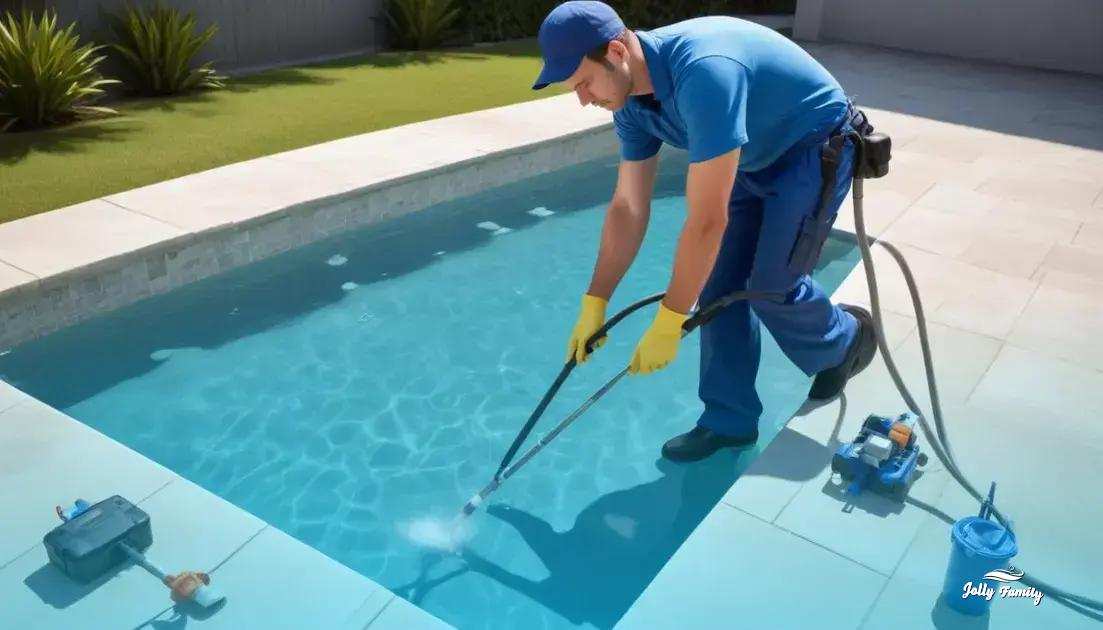

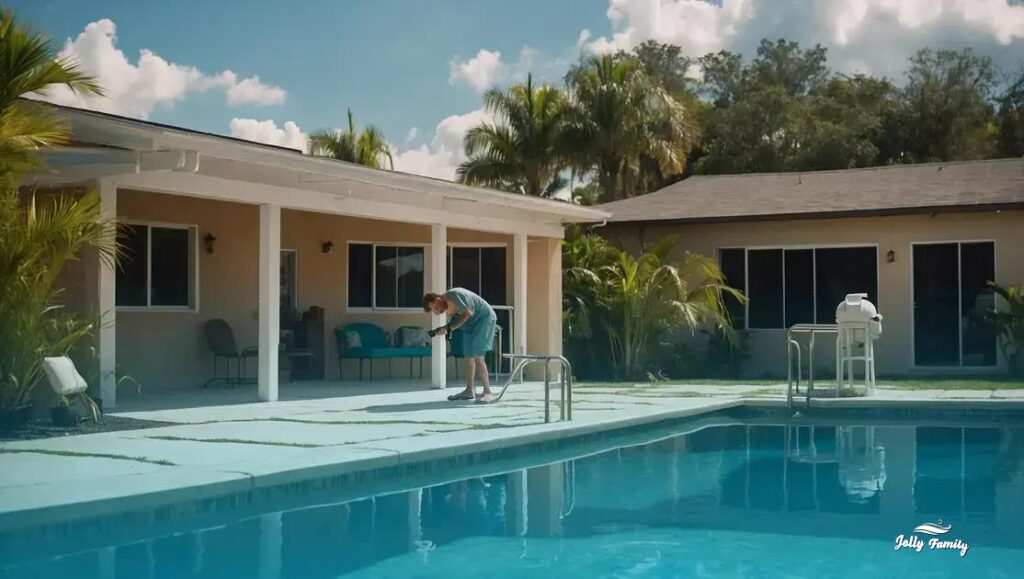
Pool gets dirty too fast Florida heat: high temperatures accelerate chlorine breakdown, boost algae and bacterial growth, increase evaporation concentrating minerals, and raise organic load from pollen, sunscreen, and heavy bather use—maintain daily chlorine and pH tests, longer pump run time, frequent skimming, regular filter cleaning, and shock treatments to prevent rapid cloudiness.
pool gets dirty too fast Florida heat — sound familiar? In Kissimmee’s hot months algae, pollen and heavy use turn clear water cloudy quickly. I’ll share simple checks, practical habits and when a trusted local team like Jolly Family should step in.
why Florida heat makes pools dirty faster
Hot Florida weather speeds up several processes that make pools dirty faster. Warm water is a perfect home for algae and bacteria, and higher temperatures also increase how quickly chlorine breaks down. That means a pool that looks fine in the morning can cloud or turn green by evening.
Main ways heat speeds up contamination
- Faster algae growth: Algae multiply quickly in warm, still water, especially when sunlight is strong.
- Higher chlorine demand: Heat and sunlight degrade chlorine faster, leaving less sanitizer to control contaminants.
- Increased evaporation: Evaporation concentrates minerals and organics, which can cause scaling and cloudy water.
- More organic load: Pollen, leaves, sunscreen and body oils build up faster in summer, feeding algae and bacteria.
- Storm runoff and humidity: Sudden rain and high humidity bring debris and reduce circulation, worsening water clarity.
Small changes add up. For example, swimmers rinse less in hot weather and use more sunscreen, which raises the organic load. High bather use on warm days raises contaminants and can overwhelm a filter that worked fine in cooler months.
Practical checks to reduce problems
- Test chlorine and pH daily in hot spells; keep free chlorine at recommended levels to prevent algae.
- Run the pump longer to improve circulation and filtration when temperatures climb.
- Skim and vacuum more often to remove pollen and debris before they break down.
- Backwash or clean filters on a tighter schedule if you notice reduced flow or cloudy water.
- Use a stabilizer and shock treatment as needed to restore sanitizer levels after heavy use or storms.
Understanding these heat-driven factors helps you act fast. Simple, regular checks and a few extra minutes of maintenance on hot days can keep a pool clearer and cut down on bigger cleanups later.
common contaminants in hot months and how they act
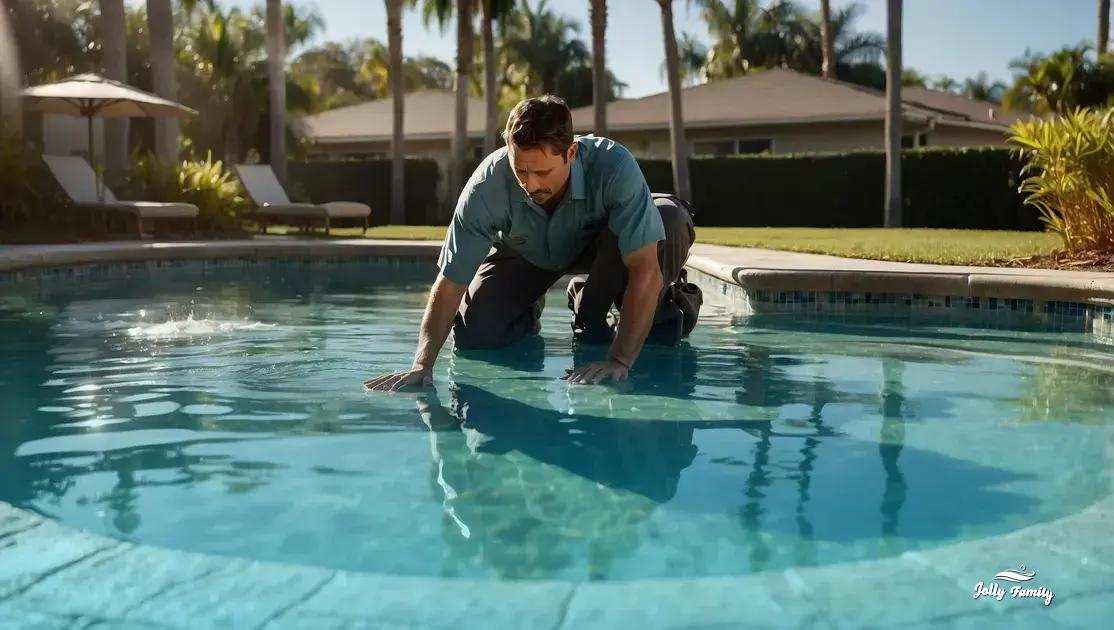
Hot months bring a mix of contaminants that act faster and together make pools dirty quickly. Warm water speeds biological growth and breaks down sanitizers, so small amounts of debris become bigger problems fast.
Key contaminants and how they behave
- Algae: Thrives in warm, sunny water. It multiplies quickly, can coat pool walls, and turns water green or slimy.
- Bacteria: Grow faster when chlorine drops. They cause cloudiness and increase health risk if not controlled.
- Pollen and dust: Settle on the surface and sink to the bottom. They add organic matter that feeds algae and bacteria.
- Sunscreen, sweat and body oils: Form a film on the surface and create combined chlorine (chloramines), which smell and reduce sanitizer power.
- Leaves and yard debris: Decompose and release nutrients like phosphates and nitrates that feed algae blooms.
- Mineral concentration: Evaporation raises mineral levels, causing cloudiness and sometimes scaling on pool surfaces.
- Storm runoff and insects: Bring extra organic load, change pH, and can overwhelm filters after heavy rain.
How these contaminants interact
When contaminants combine they create a higher chlorine demand. That means more sanitizer is used up treating organics and microbes, leaving less to prevent algae. Organic films can hide bacteria and form biofilms that are hard to remove, while clogged filters let fine particles stay suspended and make the water look cloudy.
Practical steps that help fast
- Test free chlorine and pH daily during hot spells; keep free chlorine in the recommended range.
- Shock the pool after heavy use or rain to restore sanitizer levels quickly.
- Skim surface debris and vacuum settled material before it breaks down.
- Run the pump longer to improve circulation and pass more water through the filter.
- Clean or backwash filters more often if flow drops or cloudiness appears.
- Use enzyme products to help break down oils and sunscreen; consider a phosphate remover if algae keep returning.
- Maintain cyanuric acid (stabilizer) at proper levels—too high can reduce chlorine effectiveness.
Acting quickly when you spot pollen, cloudiness or a faint green tint will prevent small problems from becoming major cleanups.
daily and weekly maintenance checklist for summer conditions
Summer demands simple, steady care to keep pools clear and safe. Use quick, repeatable tasks so small issues don’t become big problems.
Daily checklist
- Test free chlorine and pH: check every morning; aim for free chlorine 1–3 ppm and pH 7.2–7.6.
- Skim surface and empty skimmer baskets: remove leaves, pollen and insects before they sink.
- Run circulation: operate the pump long enough for one full turnover—typically 8–12 hours in hot weather.
- Check waterline: wipe the tile or waterline ring to prevent buildup from oils and sunscreens.
- Visual check: look for cloudiness or green tint and act immediately if you spot either.
Weekly checklist
- Full chemical panel: measure total alkalinity, calcium hardness and cyanuric acid; adjust as needed.
- Shock the pool: perform a chlorine shock after heavy use or rain to restore sanitizer level.
- Brush and vacuum: brush walls and steps, then vacuum settled debris to prevent nutrient buildup.
- Clean or backwash filters: check pressure and clean when flow drops or pressure rises 8–10 psi above normal.
- Check equipment: inspect pump, skimmer lids, hoses and valves for leaks or reduced flow.
- Use enzymes or clarifiers: add enzyme products to break down oils and a clarifier if water stays cloudy.
Fast fixes and habits that help
- Encourage rinsing before swimming to cut oils and sunscreen entering the water.
- Shock after pool parties or heavy rain to avoid long recovery times.
- Address algae signs immediately with brush, shock and increased circulation.
- Keep a simple log of tests and maintenance to spot trends and act before issues grow.
These daily and weekly steps are easy to follow and prevent most summer problems. Small, consistent efforts save time and chemicals in the long run.
chemical balance: test frequency and simple adjustments
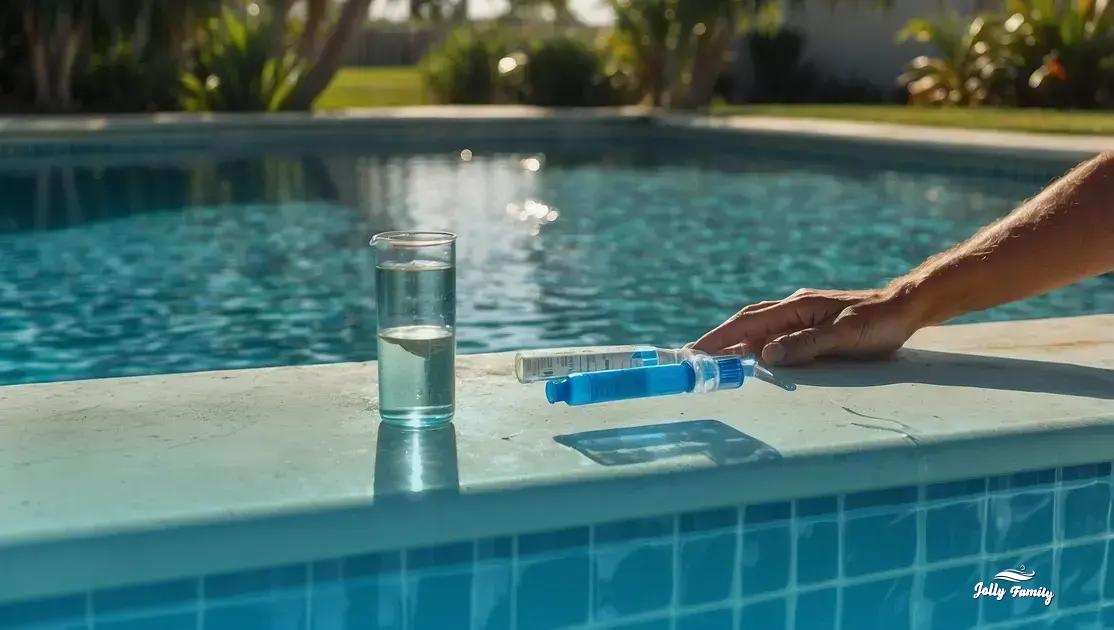
Regular testing keeps pool chemistry steady in hot weather. Heat raises chlorine demand and shifts pH, so check key values often and make small adjustments. Use a reliable test kit or digital meter for consistent results.
How often to test
- Daily: free chlorine and pH during hot spells or heavy use.
- Weekly: total alkalinity, calcium hardness and cyanuric acid (stabilizer).
- After events: test and shock after pool parties, heavy rain, or visible cloudiness.
- Monthly: inspect and calibrate digital meters; check salt levels for salt systems.
Simple, safe adjustments
- Raise chlorine: add granular chlorine or liquid bleach following label doses. Test after a few hours and repeat if needed.
- Lower chlorine: stop adding sanitizer and run the pump; use sunlight and time, or add a chlorine neutralizer for fast correction.
- Raise pH: add soda ash (sodium carbonate) in small doses, dissolving it first and retesting after circulation.
- Lower pH: add muriatic acid or dry acid carefully, in small amounts, and retest often.
- Adjust alkalinity: raise with baking soda (sodium bicarbonate); lower with muriatic acid applied slowly.
- Calcium hardness: raise with calcium chloride if water is soft; lower by partial drain and refill if extremely high.
Practical tips and safety
- Make changes in small steps and wait several hours between tests to let chemicals mix.
- Record results in a simple log to spot trends and avoid overcorrection.
- Wear gloves and eye protection when handling chemicals; store products in a cool, dry place.
- If unsure about dosing, follow product labels or consult a local pool pro to avoid damage to surfaces or equipment.
Keeping a steady test routine and making small, measured adjustments prevents big swings in chemistry and keeps the pool clearer through Florida heat.
equipment checks: filters, pumps and circulation tips
Check equipment often to keep water moving and filters working in Florida heat. Small faults cut flow and let contaminants build up fast.
Filter care
- Know your filter: sand, cartridge or DE require different care—clean cartridges, backwash sand/DE per manufacturer instructions.
- Watch pressure: a rise of 8–10 psi above normal usually means it’s time to clean or backwash the filter.
- Inspect grids and cartridges: remove and hose off cartridges or check DE grids for tears; replace worn parts to restore flow.
- Rinse laterals and tank: occasional deep cleaning prevents trapped debris from recontaminating water.
Pump and circulation checks
- Clear the baskets: empty skimmer and pump baskets every few days during high use to avoid cavitation and flow loss.
- Check pump lid and O-ring: a cracked lid or dry O-ring can draw in air and reduce suction—lubricate and seal as needed.
- Listen and feel: unusual noise or excessive heat at the motor often signals blockage, a failing bearing, or low flow.
- Prime and bleed air: air in the system lowers circulation; bleed the pump and secure suction lines to restore proper flow.
Valves, returns and flow
- Position valves smartly: ensure valves are set for full circulation, not bypassing the filter when cleaning or vacuuming.
- Aim return jets: point returns just below the surface to create good surface circulation and reduce debris build-up.
- Maintain proper water level: low water reduces skimmer efficiency and can let the pump suck air.
Optimizing run times and energy
- Run enough hours: aim for a full turnover each day; in hot weather that often means 8–12 hours or more depending on pool size.
- Use variable-speed pumps: run longer at lower speed to improve filtration while saving energy.
- Schedule runs: run at times that move surface debris toward the skimmer, like mid-morning and late afternoon.
Quick troubleshooting steps
- If water is cloudy with low flow, check the skimmer and pump baskets first, then filter pressure.
- If the pump loses prime, inspect suction lines and pool water level for leaks or blockages.
- If pressure stays high after cleaning, inspect the filter media and valves for clogs or wear.
Routine visual checks and simple fixes prevent many summertime problems. A few minutes each week keeps circulation strong and reduces chemical needs.
when to call a pro: how Jolly Family solves persistent cloudiness
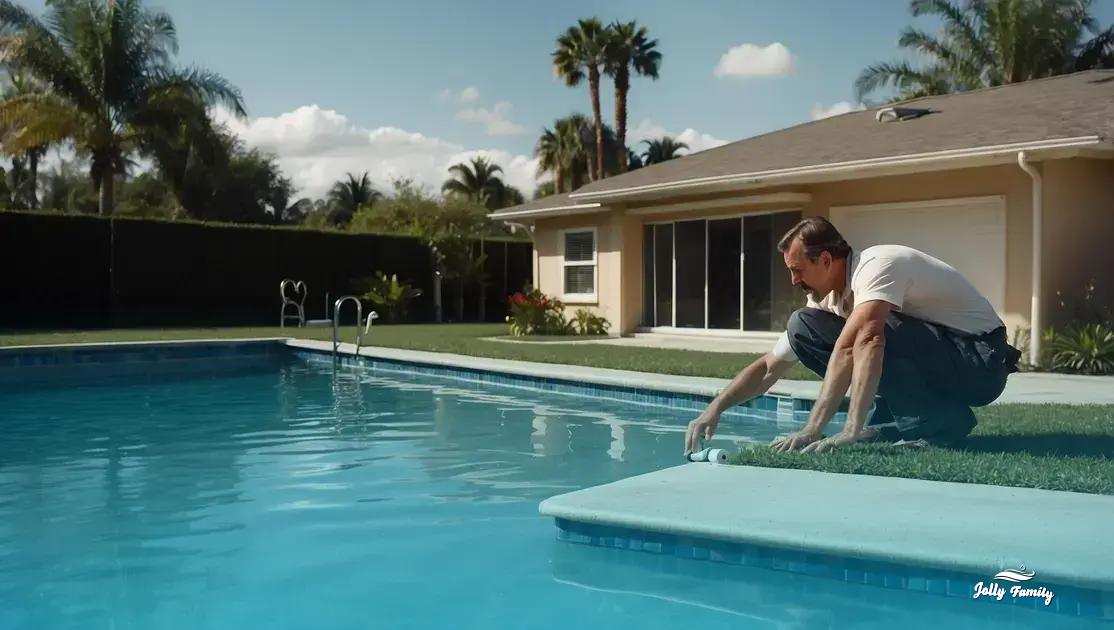
If basic fixes don’t clear the water, call a professional. Persistent cloudiness, repeated algae, or a strong chlorine smell usually needs pro tools and experience to fix fast.
Signs you should call a pro
- Cloudy water that won’t clear after 24–48 hours despite shocking and filtering.
- Visible algae or green tint returning repeatedly after treatment.
- Large swings in filter pressure or very low flow even after cleaning baskets.
- Stains, scaling, or pitted surfaces that DIY methods don’t remove.
- Skin or eye irritation for swimmers, or odd odors that suggest chloramines.
What a professional will do
- Perform a full diagnostic with accurate tests (digital photometer and chemistry panel) to find the root cause.
- Apply targeted treatments: shock, algaecide, phosphate removal, enzymes or flocculant as needed.
- Deep-clean filters or replace media (cartridge, DE or sand) and inspect pump and plumbing.
- Use vacuuming and backwashing to remove settled particles and restore clarity quickly.
- Offer advanced options like tile acid-wash, stain treatment, or upgraded sanitation systems when needed.
Typical timeline and results
- Minor cases: a few hours to one day after treatment and filter cleaning.
- Moderate cases: one to two days with extended filtration and follow-up testing.
- Severe or stained pools: multiple visits or surface work may be required; pros provide a clear timeline up front.
Questions to ask the pro
- What tests will you run and what are the expected targets?
- Which chemicals and methods will you use, and when is the pool safe to swim?
- Do you offer a guarantee or follow-up visits if the issue returns?
- Will you inspect equipment and recommend repairs or upgrades if needed?
Calling a trained technician can stop recurring problems, protect surfaces and equipment, and get the pool usable again with less trial-and-error.
Keep your Florida pool clear this summer
Simple, regular care stops small issues from turning into big problems. Test chlorine and pH daily in hot weather, skim debris, and run the pump longer to keep water moving.
Act fast when you see cloudiness or green tint: shock the pool, brush surfaces, clean filters, and vacuum settled debris. If clarity does not return within 48 hours, call a professional for a full check.
Small habits—quick tests, regular skimming, and timely filter care—save time and money. Consistent maintenance keeps swimmers safe and the pool clear all season.
FAQ – Pool care in Florida heat
Why does my pool get dirty so fast in Florida heat?
Warm water speeds algae and bacteria growth, sunlight breaks down chlorine faster, and pollen, sunscreen and heavy use add organics that clog filters and cloud water.
How often should I test my pool during hot months?
Test free chlorine and pH daily in hot spells; check total alkalinity, calcium hardness and cyanuric acid weekly; test after heavy rain or parties.
What quick steps clear cloudy water fast?
Empty skimmer and pump baskets, test and adjust chlorine and pH, shock the pool if needed, run the pump longer and clean or backwash the filter.
How can I prevent algae blooms in summer?
Keep free chlorine in range, brush surfaces regularly, remove debris before it decomposes, use phosphate removers if needed, and maintain good filter flow.
When should I call a professional technician?
Call a pro if cloudiness or algae won’t clear after 24–48 hours, if equipment shows low flow or pressure issues, or for stains and repeated problems.
Can I use fewer chemicals and still keep the pool clear?
Yes—improve filtration and circulation, encourage swimmers to rinse, use enzyme products, keep stabilizer balanced, and run a variable-speed pump longer at low speed.