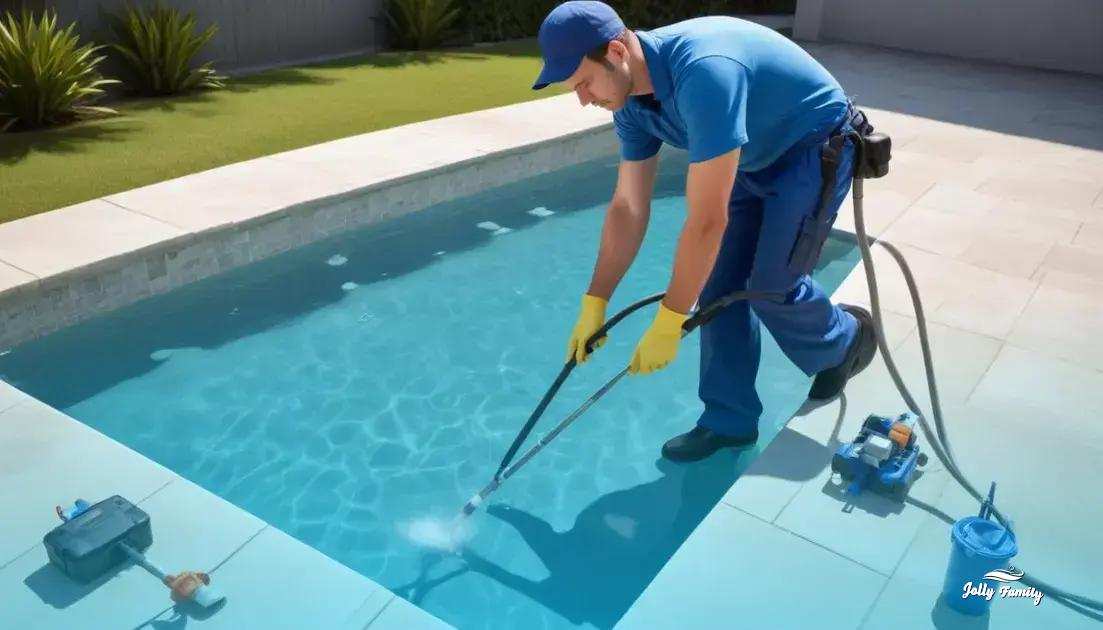

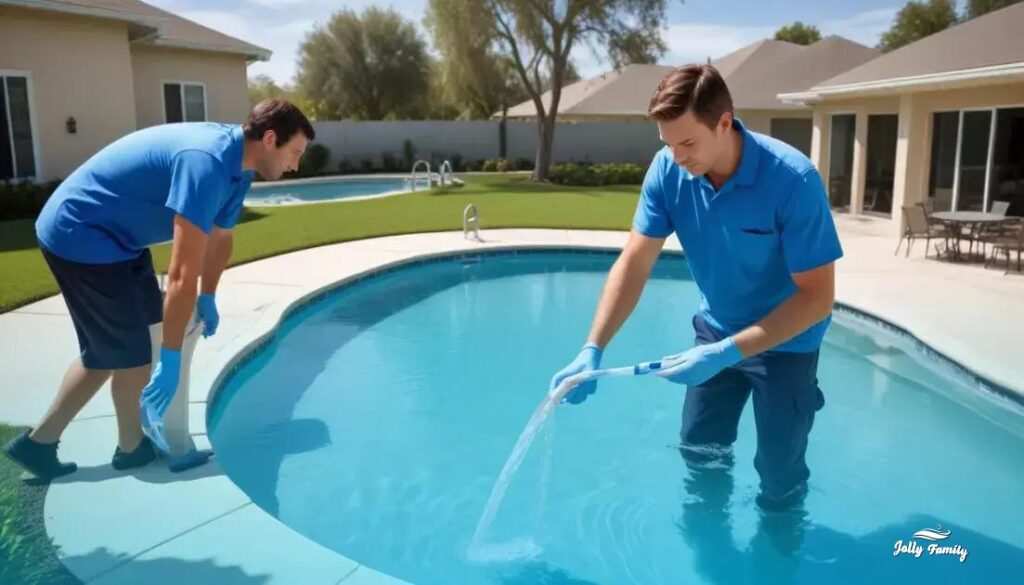
pool maintenance company Kissimmee FL provides regular water testing, chemical balancing, filter and pump care, storm preparation, and preventive equipment inspections to keep pools safe, clear, and swim-ready; technicians supply documented service reports, emergency response, and scheduled maintenance that minimizes downtime and long-term repair costs.
pool maintenance company Kissimmee FL — want a worry-free pool that’s safe to swim in? Jolly Family shares real checks, common problems I see locally, and what reliable routine care looks like.
routine services: what a Kissimmee pool needs each month
Follow a simple monthly routine to keep a Kissimmee pool clean, safe, and ready to swim. These clear steps focus on regular checks and quick fixes you can trust.
Weekly maintenance
- Skim and clean: remove leaves and debris from the surface and empty skimmer baskets to keep water flowing.
- Brush and vacuum: brush walls and steps, then vacuum any settled debris to prevent algae buildup.
- Test water: check pH (7.2–7.6), free chlorine (1–3 ppm), and alkalinity; adjust with simple dosages.
- Check water level: keep it near the middle of the skimmer opening for proper circulation.
Monthly tasks
- Clean or backwash filter: follow the filter type instructions; clean cartridge filters or backwash sand/DE filters.
- Inspect pump and basket: clear debris from the pump basket and look for leaks or unusual noise.
- Test harder-to-check chemistry: measure calcium hardness and stabilizer (cyanuric acid) and adjust if outside recommended ranges.
- Check salt cell and chlorinator: inspect for buildup and clean per manufacturer guidance if you use salt systems.
After heavy rain or storms
Storms bring debris and dilute chemicals. Test water immediately, run the filter longer, and consider shocking the pool to restore sanitizer level. Remove visible debris fast to avoid stains.
Equipment and safety checks
- Verify pump pressure and filter gauges are in normal range.
- Look for leaks, worn hoses, or loose fittings.
- Confirm lights, alarms, and pool covers work properly for safety.
- Record any odd sounds or cycling issues for professional service.
Record keeping and service planning
Keep a simple log with test results, chemical doses, and photos of equipment each visit. This helps spot trends and plan professional service. Consider a weekly basic plan and a monthly deep-check by a trusted local technician.
chemical balance explained: tests, signs and simple fixes
Keep your pool healthy by keeping chemical levels in the right range. Simple checks and quick fixes stop problems before they grow.
Common signs of imbalance
- Cloudy water: often low sanitizer or filter issues.
- Green or slimy surfaces: early algae growth from low chlorine.
- Skin or eye irritation: pH outside the ideal range.
- Scale or cloudy rings: high calcium hardness or high pH.
- Strong chlorine smell: often combined chlorine (chloramines) rather than too much free chlorine.
How to test
Use test strips, a liquid test kit, or a digital meter weekly. Test for pH, free chlorine, total alkalinity, calcium hardness, and stabilizer (cyanuric acid). Record results so you spot trends.
Target ranges to remember
- pH: 7.2–7.6
- Free chlorine: 1–3 ppm
- Total alkalinity: 80–120 ppm
- Calcium hardness: 200–400 ppm
- Cyanuric acid: 30–50 ppm (outdoor pools)
Simple fixes you can do
- Low pH: add pH increaser (sodium carbonate) in small doses, wait and retest.
- High pH: use pH decreaser (muriatic acid or sodium bisulfate) carefully and follow instructions.
- Low chlorine: add stabilizer chlorine or shock the pool to raise free chlorine quickly.
- High alkalinity: partially lower with acid additions over time, then adjust pH.
- Low calcium: add calcium increaser to prevent corrosion; high calcium may need dilution or scale removal.
- Combined chlorine: shock the pool to remove chloramines and restore sanitizer effectiveness.
Tips to keep balance steady
Test after heavy rain, heavy use, or heat spells. Add chemicals in small amounts, wait several hours, then retest. Always follow product labels and safety steps when handling chemicals.
When to call a pro
If levels swing wildly, filters fail to clear water, or you see persistent stains or algae after treatment, contact a local technician for advanced testing and service.
preventive maintenance to avoid costly equipment failures
Small, regular checks on equipment stop small problems from turning into costly repairs. Focus on the pump, filter, heater/salt cell, valves, and electrical connections.
signs of early failure
- Unusual noises: grinding or rattling from the pump motor often means worn bearings or an obstructed impeller.
- Reduced flow: weak return jets or long prime times can signal a clogged impeller, blocked lines, or failing pump.
- Leaks or wet spots: visible drips at unions, seals, or the heater need fast attention to avoid bigger damage.
- Tripping breakers or high amps: electrical issues or a motor drawing extra current suggest mechanical strain or wiring faults.
simple preventive checks you can do
- Visual inspection weekly: look for leaks, cracked hoses, corroded terminals, and clean debris from around equipment.
- Monitor filter pressure: note the clean-filter pressure and backwash or clean when pressure rises about 8–10 psi above that baseline.
- Check pump basket: clear hair and leaves monthly to keep flow steady and reduce motor strain.
- Inspect salt cell and heater: remove scale buildup per manufacturer guidance and confirm pilot lights or cell indicators are normal.
- Test automation and timers: run a quick cycle to ensure valves move, timers trigger, and displays respond.
maintenance tasks and intervals
- Weekly: clear pump basket and remove debris; verify normal sounds and flow.
- Monthly: check for loose fittings, clean visible scale, inspect wiring connections for corrosion.
- Every 6–12 months: change seals, lubricate o-rings, replace worn belts, and schedule a professional system tune-up.
what to replace vs. what to repair
Replace worn seals, cracked unions, and badly corroded wiring quickly—these parts are inexpensive and prevent larger failures. Consider repair for motors or heaters if a technician confirms the issue can be fixed safely and cost-effectively.
when to call a professional
Contact a licensed technician if you detect persistent leaks, repeated breaker trips, strange motor sounds, or if flow problems persist after basic checks. Professionals can test electrical draw, inspect impellers, and spot hidden issues before they cause major repairs.
record keeping and spare parts
Keep a simple log of pressure readings, amp draws, service dates, and part replacements. Stock basic spares like pump unions, o-rings, and a replacement pump basket to reduce downtime after a fault.
seasonal care and storm prep for central Florida pools
Central Florida weather means year-round swimming but also a need to plan for heat, heavy rain, and occasional storms. Quick seasonal steps protect water quality and avoid equipment damage.
pre-storm checklist
- Secure loose items: move furniture, toys, and umbrellas away from the pool area to prevent wind damage.
- Clear debris: remove leaves, branches, and empty skimmer baskets so water can flow freely.
- Clean the filter: backwash or clean cartridges so the system can handle extra runoff and reduce strain.
- Adjust water level: lower the water a few inches to give room for heavy rain and reduce overflow into landscaping.
- Protect equipment: cover pumps and control boxes with plastic or move small gear indoors; consider shutting off power if flooding is likely.
during the storm
- Stay safe: avoid the pool and do not touch electrical equipment while standing in water or on wet ground.
- Do not rely on lightweight pool covers during high winds; remove and store them if possible.
- If flooding occurs, turn off power at the main breaker to reduce electrical risk and contact a professional when safe.
immediate post-storm steps
- Wait until conditions are safe before approaching the pool, then remove large debris and check for visible damage.
- Run the filter continuously until the water clears; clean skimmer and pump baskets frequently.
- Test water for pH, free chlorine, and alkalinity and adjust; heavy runoff often dilutes sanitizer.
- Shock the pool if you see cloudy water, algae, or after heavy contamination to restore sanitizer levels quickly.
seasonal care tips for central Florida
- Rainy season: test more often—twice weekly—and keep stabilizer (cyanuric acid) in check to protect chlorine from sun.
- Hot months: raise sanitizer slightly and run the pump longer to combat increased bather load and evaporation.
- Mild winter: continue basic circulation and monthly deep checks to avoid equipment issues when usage drops.
when to call a professional
Contact a licensed technician for electrical damage, visible structural cracks, heater or pump failure, or if algae persists after treatment. Professionals can inspect wiring, test equipment under load, and recommend repairs to prevent long-term costs.
supplies to keep on hand
Keep a reliable test kit, pool shock, basic chlorine, algaecide, rubber gloves, a spare pump basket, and a simple toolkit. Having these items speeds recovery after storms and helps maintain steady water balance.
how Jolly Family documents service and builds a maintenance plan
Jolly Family documents each visit so you know what was checked and what changed. Records are clear, visual, and easy to reference.
service records and transparency
Technicians record test results, chemical doses, and photos at every visit. Weekly reports show pH, chlorine, and filter status. Photos of the pool and equipment help spot trends and prove work was done.
how results are delivered
- Digital report sent by email or accessible in a client portal.
- Clear photos of problem areas and equipment after service.
- Simple test tables with recommended next steps and dates.
custom maintenance plans
Plans are built from your pool’s needs and usage. A technician suggests a regular schedule—weekly, biweekly, or monthly—and adds proactive tasks like filter cleans or salt cell service.
tracking problems and follow-up
When an issue appears, it’s logged with photos and timestamps. The plan then shows corrective steps and a follow-up visit date so problems don’t return.
pricing and parts history
Reports list replaced parts and labor, with recommendations to prevent future failures. This creates a clear cost history for resale or warranty claims.
how the plan adapts over time
Technicians review the service log and adjust frequency or treatments based on trends. Data-driven changes keep the pool healthy and often lower long-term costs.
choosing the right plan: questions homeowners should ask
When comparing plans from a pool maintenance company Kissimmee FL, ask practical questions so you know exactly what you get and how issues are handled.
what services are included?
- Ask if routine visits include skimming, brushing, vacuuming, and chemical adjustments.
- Confirm filter cleaning, equipment checks, and seasonal tasks are listed.
- Check whether minor repairs or parts are covered or billed separately.
how often will you service my pool?
- Clarify visit frequency: weekly, biweekly, or monthly based on your pool’s needs.
- Ask about response time for urgent calls and after storms.
how are chemicals and extra charges handled?
Find out if chemical costs are included in the plan or charged per use. Ask for examples of typical monthly costs and how they invoice extras like shock or algaecide.
technician qualifications and insurance
Confirm technicians are trained, licensed if required, and covered by liability insurance. Verify insurance and ask for IDs or company credentials when technicians visit.
service reports and guarantees
Request how results are documented: emailed reports, photos, or a client portal. Ask if the company guarantees water clarity between visits and what they do if problems return.
contract terms and references
- Read cancellation policy, minimum contract length, and any hidden fees.
- Ask for local references or online reviews from Kissimmee customers.
- Check warranties on replaced parts and whether the company offers follow-up service if a repair fails.
Final thoughts on pool care in Kissimmee
Keeping your pool clear and safe is simple with steady routine checks and quick fixes. Weekly skimming, regular chemical tests, and basic equipment inspections stop most issues early.
If you want less hassle, a trusted pool maintenance company Kissimmee FL can handle testing, filter care, and storm prep, and provide clear service reports you can rely on.
Small steps now save time and money later. For leaks, odd sounds, or electrical problems, call a licensed technician to protect your pool and equipment.
FAQ – pool maintenance company Kissimmee FL
What does a standard maintenance visit include?
A typical visit covers skimming, brushing, vacuuming, testing chemicals, emptying skimmer and pump baskets, and a quick equipment check.
How often should my Kissimmee pool be serviced?
Service frequency depends on use and weather. Weekly is best for busy or screened pools; biweekly or monthly can work for low use.
How will I know if chemical balance is off?
Look for cloudy water, eye or skin irritation, green surfaces, or strong chlorine smell. Regular tests are the fastest way to spot issues.
What should I do before and after a storm?
Before: secure loose items, clear debris, and clean the filter. After: wait for safe conditions, remove debris, run the filter, and test and adjust chemicals.
When should I call a professional technician?
Call a pro for leaks, tripping breakers, strange motor noises, persistent algae, or if equipment fails after basic checks.
How do I choose the right maintenance plan and understand costs?
Ask what’s included, how chemicals are billed, response times, and cancellation terms. Request local references and clear written reports.