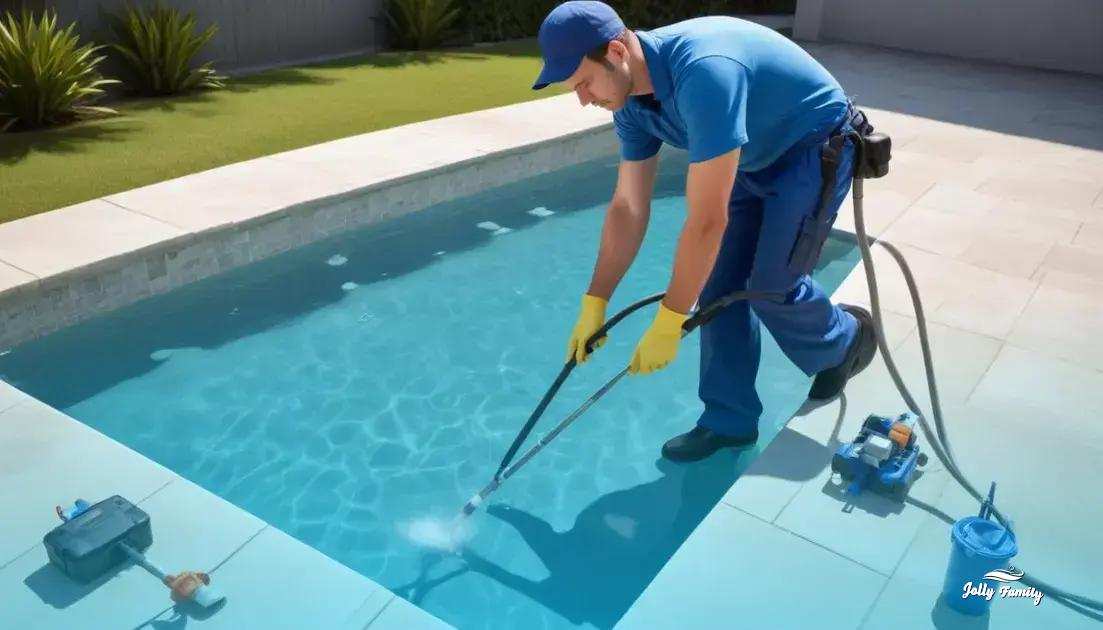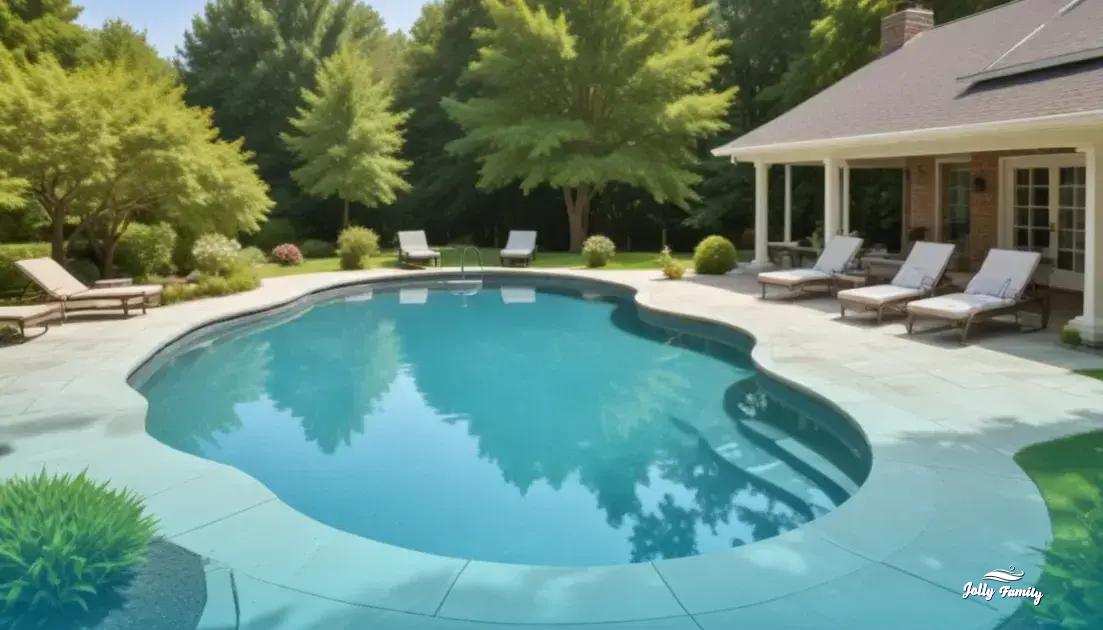

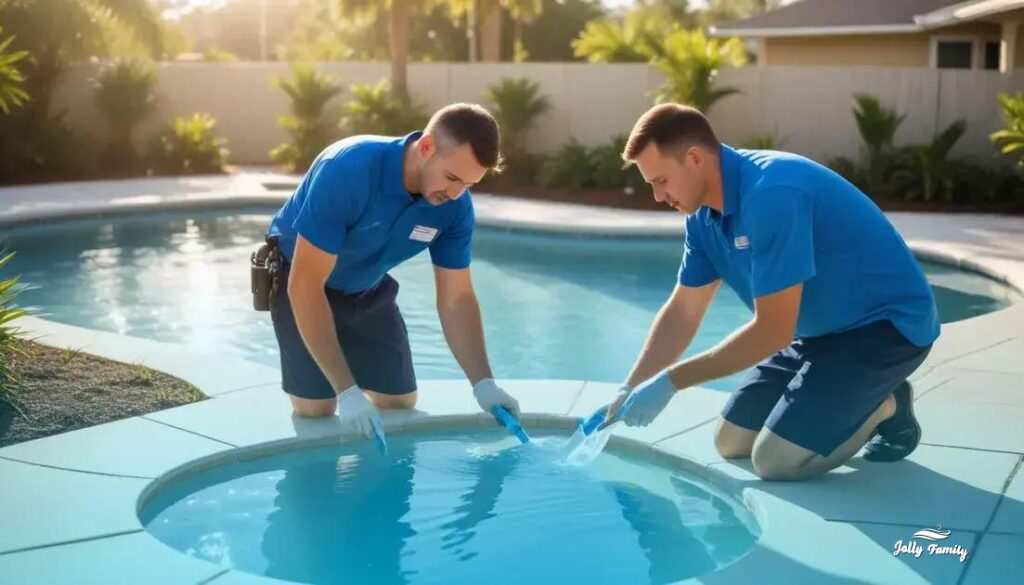
pool maintenance during hot summer Florida requires daily testing and maintaining free chlorine at 2–4 ppm and pH 7.2–7.6, running circulation 10–12+ hours, cleaning skimmer/pump baskets and filters regularly, shocking after heavy use or storms, and calling a professional for persistent cloudiness, leaks, or equipment failures.
pool maintenance during hot summer Florida often demands more attention — higher temps speed chemical use and invite algae. Curious which small habits make a big difference? Here are practical, local tips from Jolly Family to keep your pool clear and swim-ready.
Understanding how heat affects pool chemistry
Hot weather speeds up every chemical and biological process in your pool. Warm water uses sanitizer faster, feeds algae, and concentrates minerals as water evaporates. Check levels more often when temperatures rise.
Key chemical changes in hot pools
- Free chlorine drops faster: Sunlight and heat break down chlorine and raise demand. Aim to keep free chlorine around 2–4 ppm in hot conditions.
- pH tends to rise: Warm water can drive off carbon dioxide and push pH up. Keep pH near 7.2–7.6 to protect equipment and swimmer comfort.
- Algae and bacteria grow quicker: Above 85°F (29°C) microbes reproduce faster, so sanitizer and circulation must be steady.
- Mineral and TDS concentration increases: Evaporation leaves salts and minerals behind, raising total dissolved solids and hardness over time.
- Cyanuric acid (stabilizer) matters: Proper CYA (about 30–50 ppm) helps outdoor chlorine last longer in strong sun, but avoid excessive levels.
Practical steps to keep chemistry stable
- Test your pool every morning during heat waves. Use a reliable test kit for free chlorine, pH, TA, CYA, and hardness.
- Adjust sanitizer quickly: raise chlorine if levels fall or after heavy use. Consider a daily small dose rather than large infrequent shocks.
- Shock the pool at least weekly in very hot weather or after storms, heavy use, or visible cloudiness.
- Run circulation longer—aim for 10–12 hours or more per day to improve distribution of chemicals and reduce hotspots.
- Brush walls and vacuum regularly to remove biofilm before it becomes an algae bloom.
- Clean or backwash filters more often; clogged filters lower flow and reduce sanitizer efficiency.
- Maintain total alkalinity at 80–120 ppm to help stabilize pH, and check calcium hardness per your pool type (often 200–400 ppm for concrete).
- Cover the pool at night when possible to cut evaporation and limit debris and contaminants.
- If algae appears, treat immediately with appropriate algaecide and follow shock protocols; don’t wait.
Simple routines—daily testing, steady sanitizer, good circulation, and timely cleaning—often prevent most heat-related chemistry problems.
Daily and weekly checklist for Kissimmee summers
Keep a short daily routine to avoid chemistry and algae issues during Kissimmee heat.
Daily checklist
- Test free chlorine and pH: use test strips or a handheld kit each morning; target 2–4 ppm chlorine and 7.2–7.6 pH.
- Skim and empty baskets: remove leaves and debris; clear skimmer and pump baskets to maintain flow.
- Check water level: top off if evaporation drops it below the skimmer mouth.
- Run circulation: run the pump at least 10–12 hours daily in hot weather to keep chemicals moving.
- Quick equipment check: listen for odd noises, inspect hoses, and confirm timers and heated controls work.
Weekly checklist
- Complete water test: measure total alkalinity, calcium hardness, and cyanuric acid with a reliable kit.
- Shock if needed: apply a chlorine shock after heavy use, storms, or when cloudiness or algae traces appear.
- Brush and vacuum: scrub walls, steps, and corners, then vacuum to remove loosened debris.
- Clean or backwash filter: check pressure gauge and clean per manufacturer; do this more often in dusty, high-use weeks.
- Adjust balances: correct alkalinity and pH to protect surfaces and keep sanitizer effective (TA ~ 80–120 ppm).
Preventing algae blooms: practical steps and treatments
Algae grow fast in warm, low-sanitizer water. Stop blooms by keeping sanitizer steady and removing growth early.
Daily and weekly prevention
- Keep free chlorine steady: test daily and maintain recommended levels for your pool type.
- Run circulation longer: 10–12 hours minimum in hot weather; more if the pool is heavily used.
- Skim, brush, and clean baskets: remove debris and biofilm before algae take hold.
- Monitor cyanuric acid (CYA): proper stabilizer levels help chlorine last under strong sun; avoid excessive CYA.
- Maintain filter performance: clean or backwash when pressure rises to ensure proper flow.
Treating an active algae bloom
- Test water to know chlorine, pH, and CYA before adding chemicals.
- Adjust pH first: bring pH to 7.2–7.6 so sanitizer works well.
- Shock to high free chlorine: follow product guidance to reach a strong shock level and keep it there until the water clears.
- Brush vigorously: scrub walls and steps daily to break deposits and expose algae to chlorine.
- Run filter continuously: 24/7 until the pool clears; clean or backwash more often.
- If heavy algae, vacuum to waste or use a flocculant to remove suspended particles faster.
- Use a targeted algaecide when recommended: choose a product compatible with your system and follow label directions.
Tips to prevent recurrence
- Address low circulation areas: add return jets or adjust fittings to eliminate dead spots.
- Reduce nutrient sources: keep landscaping trimmed, limit fertilizer runoff, and remove organic debris promptly.
- Track trends: log test results and actions so you can react quickly when levels dip.
- Call a pro when needed: persistent green water after proper treatment or repeated blooms may mean a filtration or chemistry issue that needs expert help.
Equipment care: filters, pumps, and circulation tips
Well-maintained equipment keeps your pool clear and your bills lower. Small checks now prevent big repairs later.
Filter care (sand, cartridge, DE)
- Watch the pressure: backwash sand or DE filters when gauge rises about 8–10 psi over clean pressure. For cartridges, clean when flow feels weak or every 4–8 weeks in heavy use.
- Clean cartridges properly: remove cartridge, rinse with a hose, soak in cleaner monthly if oily or cloudy, then rinse before reinstalling.
- Handle DE and backwash right: add DE powder only after backwash and while the pump is running on the proper setting. Replace grids if torn or badly clogged.
- Inspect seals and lids: check filter O-rings and clamp seals for cracks; lubricate O-rings with pool-safe lubricant to keep a tight seal.
Pump and circulation tips
- Empty the strainer basket: clean the pump and skimmer baskets at least once a week during hot weather to keep flow high.
- Set run times smartly: aim for at least 10–12 hours of circulation daily; use a variable-speed pump and run higher speeds during the day and low-speed overnight to save energy.
- Prime and avoid air leaks: if the pump loses prime, check for low water level, loose fittings, or a worn strainer lid O-ring that lets in air.
- Keep the pump shaded: heat shortens pump life—place equipment under a shade or provide cover to reduce wear.
Plumbing, valves, and return flow
- Check valves and returns: ensure multiport valves and check valves move smoothly and return jets point to reduce dead spots where algae can start.
- Balance flow: open returns and adjust eyeballs so all areas get circulation; weak corners need attention to prevent buildup.
- Use a leaf trap: install a leaf canister on suction lines if your yard drops lots of debris to protect the pump and filter.
Routine checks and simple troubleshooting
- Listen and look: strange noises, leaks, or vibration mean act now. Turn off equipment and inspect seals, bearings, and loose fittings.
- Monitor energy and temp: check pump amps and temperature—rising draw or hot motor points to bearing wear or blocked flow.
- Keep records: log cleanings, backwashes, and part changes so you spot trends before failure.
- Call a pro when needed: persistent low flow, repeated air in the system, or motor overheating usually needs expert diagnosis.
Regular, simple care—clean baskets, watch pressure, run circulation smartly, and fix small leaks—keeps pumps and filters running well through Florida summers.
When to call professionals: why choose Jolly Family
Some problems need a pro right away to avoid bigger damage or safety risks. Know the signs so you call help at the right time.
When to call a professional
- Persistent cloudy or green water: if proper shock and filtration don’t clear the pool within 24–48 hours, experts can diagnose filtration or chemistry issues.
- Repeated pump or filter failures: constant tripping, loss of prime, or pressure swings usually mean a mechanical fault that needs a trained technician.
- Visible leaks or sudden water loss: steady drops in water level, wet spots near equipment, or unusually high water bills can signal a structural or plumbing leak.
- Electrical problems: sparks, burning smells, tripped breakers, or nonworking heaters should be handled by a licensed technician for safety.
- Complex automation or heater issues: smart controllers, heat pumps, and gas heaters often require specialized tools and certified service to fix correctly.
- Recurring algae despite proper care: repeated blooms can point to hidden circulation dead zones, damaged equipment, or CYA and stabilizer imbalances.
Why choose Jolly Family
- Local Florida experience: they know Kissimmee heat, common algae types, and regional water chemistry challenges.
- Certified technicians: trained pros use proper diagnostics to find root causes instead of guessing.
- Fast, practical response: same-day or quick visits limit damage during heat waves when issues escalate fast.
- Transparent service: expect clear estimates, explained options, and prioritized fixes so you can decide with confidence.
- Maintenance plans and follow-up: scheduled visits reduce surprises and help prevent repeat problems.
What to expect during a service visit
- On-site inspection and full water test to document current chemistry.
- Equipment check: pump, filter, valves, heater, and visible plumbing.
- A written estimate with recommended fixes and estimated timelines.
- Advice to avoid future issues, such as circulation changes or quick daily checks.
Keep your pool clear and worry-free this summer
Hot Florida summers make pools work harder, but simple habits keep water safe and blue. Test water daily, run the pump 10–12 hours, and clean baskets often.
Address drops in chlorine or rising pH quickly, brush and vacuum weekly, and treat algae as soon as you see it. Small fixes now avoid costly repairs later.
If equipment acts up, you see leaks, or water stays cloudy after treatments, call a professional like Jolly Family. Fast help prevents bigger problems during heat waves.
Stick to a routine, log tests, and act fast. You’ll enjoy clearer water, fewer headaches, and more swim time all season.
FAQ – pool maintenance during hot summer Florida
How often should I test the pool in hot Florida weather?
Test free chlorine and pH every morning during heat waves. Do a full test weekly for TA, calcium hardness, and CYA.
What free chlorine level is best in hot conditions?
Aim for about 2–4 ppm free chlorine in hot weather and raise levels after heavy use or storms.
How can I stop algae before it blooms?
Keep sanitizer steady, run the pump 10–12 hours daily, brush surfaces, clean filters, and remove debris quickly.
How long should the pump run each day?
Run circulation at least 10–12 hours daily; use a variable-speed pump and run higher speeds during peak sun and use.
When should I call a professional like Jolly Family?
Call if water stays cloudy or green after 24–48 hours, you see leaks, have repeated equipment failures, or face electrical issues.
Does regular maintenance save money in the long run?
Yes. Routine tests, cleaning, and timely fixes prevent big repairs, extend equipment life, and reduce energy and chemical costs.