
Effective pool maintenance for rental properties includes regular cleaning, chemical balance checks, safety measures like fences, and utilizing cost-saving strategies such as pool covers and DIY repairs to ensure a safe and enjoyable environment for guests.
Pool maintenance issues rental properties often face can turn a vacation dream into a nightmare. Have you ever wondered how a simple oversight could lead to significant expenses? Let’s dive into key problems and solutions.
Common pool maintenance issues in rental properties
Maintaining a pool in rental properties can lead to several challenges that landlords must address. One of the most common issues is the chemical imbalance. This occurs when the levels of chlorine, pH, or alkalinity are out of the recommended range. If not corrected, a chemical imbalance can lead to cloudy water, algae growth, and even damage to the pool equipment.
Algae Growth
Another frequent problem is algae growth. Pools that are not regularly cleaned or treated can become a breeding ground for algae, turning the water green. This not only affects the pool’s appearance but also poses health risks to swimmers.
Equipment Failure
Equipment failure is an additional concern. Pumps, filters, and heaters need regular maintenance to ensure they function correctly. If these components break down, it can lead to costly repairs and a pool that is unusable.
Water Level Issues
Maintaining the correct water level is crucial. Low water levels can cause the pump to run dry, while high levels can lead to water overflow and increased chemical costs. Regularly checking the water level can help avoid these problems.
Safety Concerns
Finally, safety is a major issue. Installing fencing and pool covers is essential to prevent accidents and ensure compliance with local regulations. Ensuring that the pool area is safe for guests should always be a top priority.
Importance of regular pool inspections
Regular pool inspections are essential for maintaining a safe and enjoyable swimming environment. These inspections help identify potential issues before they become major problems. By conducting consistent checks, owners of rental properties can ensure that the pool water remains clean and safe for guests.
Health and Safety
One key reason for regular inspections is to address health and safety concerns. Pools can harbor bacteria and other harmful contaminants if not regularly checked. Ensuring that chemical levels are balanced helps prevent swimmers from getting sick, which is crucial for the reputation of rental properties.
Preventing Costly Repairs
Regular inspections also aid in preventing costly repairs. Identifying issues early, such as leaks or malfunctioning equipment, allows for timely fixes. This proactive approach can save property owners from expenses that arise from major repairs due to neglect.
Compliance with Regulations
In many areas, local laws require that pools meet specific standards. Regular inspections help ensure compliance with health and safety regulations. Staying up to date with these requirements protects property owners from fines and legal complications.
Enhanced Property Value
Well-maintained pools can enhance the overall value of rental properties. A clean and safe pool is an attractive feature for potential renters. Regular inspections demonstrate that the property is cared for, increasing its appeal in the rental market.
How to address chemical balance problems
Addressing chemical balance problems in a pool is crucial for maintaining a clean and safe swimming environment. The first step is to regularly test the water. This ensures that levels of chlorine, pH, and other chemicals remain within the recommended range.
Testing the Water
Use a reliable pool testing kit to check the water regularly. Aim to test the water at least once a week, especially during the swimming season. You can also use test strips for a quick check or a more detailed liquid test kit for accuracy.
Adjusting Chlorine Levels
If chlorine levels are too low, add chlorine tablets or liquid chlorine to bring the levels back up. For high levels, you can dilute the pool water by adding fresh water. This helps to gradually reduce the chlorine concentration and restore balance.
Balancing pH Levels
Maintaining the right pH level is equally important. Ideally, the pH should be between 7.2 and 7.8. If the pH is too low, add a pH increaser like sodium carbonate. If it’s too high, a pH decreaser, such as sodium bisulfate, can help.
Alkalinity and Calcium Hardness
Don’t forget to check alkalinity and calcium hardness as well. Total alkalinity should be between 80-120 ppm. If it’s too low, add an alkalinity increaser. For calcium hardness, aim for 200-400 ppm. Adjust using calcium chloride or a dilution method if necessary.
Maintaining Regular Treatment
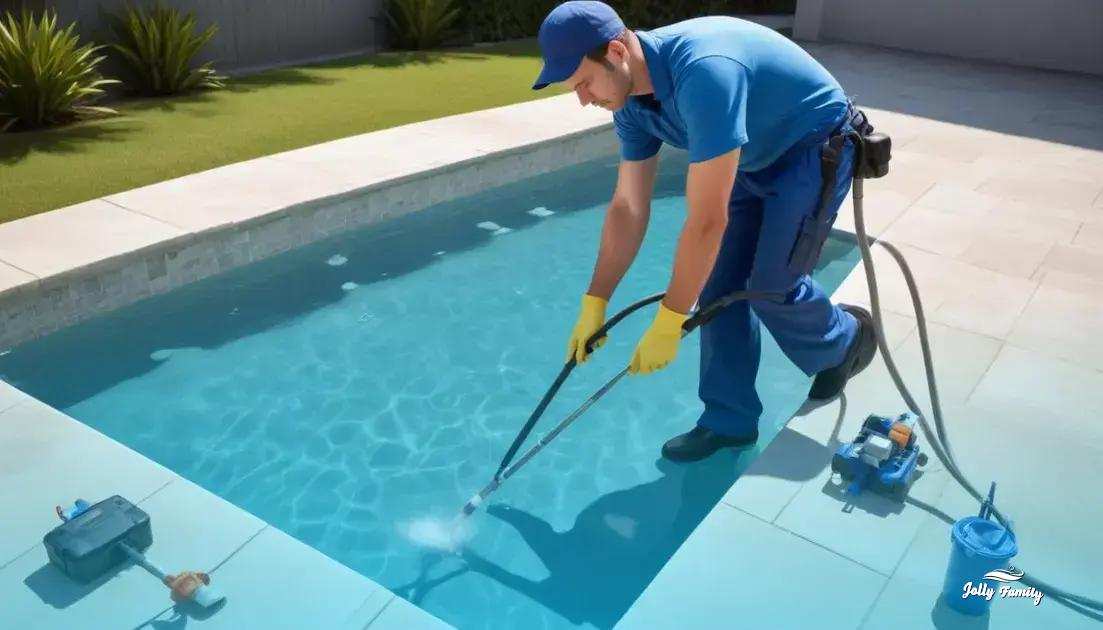
To maintain chemical balance, ensure regular treatment of the pool. Skim debris, brush the walls, and vacuum the pool regularly. This helps prevent chemical imbalances and enhances water clarity.
Safety concerns for pool guests
Ensuring guest safety around the pool is paramount for any rental property owner. Several safety concerns need to be addressed to protect guests and prevent accidents.
Installing Safety Fences
One of the most effective ways to enhance pool safety is by installing safety fences. These fences should be at least four feet high and equipped with self-closing gates. This prevents unsupervised access, especially for young children.
Providing Life-Saving Equipment
Having life-saving equipment nearby is essential. This includes life rings, floats, and a reaching pole. Make sure guests know where to find this equipment in case of an emergency. It’s also a good idea to post clear instructions on how to use them.
Regular Maintenance Checks
Regular maintenance checks are crucial to ensure that the pool environment is safe. This includes checking the pool surface for cracks, ensuring that ladders and handrails are secure, and verifying that the pool area is clean and free of debris.
Signage and Pool Rules
Clear signage should be displayed around the pool, stating any pool rules and guidelines. This can include no running, no diving in shallow areas, and reminding guests to supervise children. Signage helps to set expectations and promote responsible behavior.
Emergency Preparedness
Prepare for emergencies by having a first aid kit readily available. Make sure you or your staff are trained in CPR and basic first aid. Being prepared for emergencies ensures that guests feel safe and supported during their stay.
Cost-effective pool maintenance tips
Maintaining a pool doesn’t have to break the bank. Here are some cost-effective pool maintenance tips that can help keep your pool in great condition without spending a fortune.
Regular Cleaning
One of the simplest ways to save money is to conduct regular cleaning of your pool. Skim leaves and debris daily, and brush the walls weekly. This keeps your pool sparkling and can extend the life of the pool surface, reducing potential repair costs.
Monitor Water Levels
Keeps an eye on water levels. Low water levels can strain pumps and cause damage. To save money, only fill your pool as needed, and use a hose with a timer to prevent overfilling.
Using a Pool Cover
Investing in a pool cover can be a great way to keep your pool clean and reduce maintenance costs. A cover prevents debris from entering the water, decreasing the need for cleaning and chemical treatments. Additionally, it helps minimize evaporation and conserves water.
DIY Repairs
When possible, consider DIY repairs for minor issues. There are plenty of resources available online that can guide you through fixing common problems, such as replacing broken tiles or repairing small leaks. This can save you from expensive service calls.
Seasonal Maintenance
Conducting seasonal maintenance ensures that your pool is ready for each swimming season. This includes checking equipment, cleaning filters, and balancing chemicals. Doing this at the start of each season can prevent larger issues from developing later.
In Summary: Keeping Your Pool Safe and Affordable
Maintaining a pool can be both safe and cost-effective with the right approach. By focusing on regular cleaning, monitoring water levels, and investing in a pool cover, you can significantly reduce your maintenance costs.
Additionally, addressing safety concerns with features like fences and readily available life-saving equipment ensures a secure environment for your guests.
Lastly, don’t hesitate to tackle small repairs yourself with DIY techniques. By following these tips, you can enjoy a clean and safe pool while keeping expenses low. Remember, a healthy pool is not just enjoyable; it adds value to your property!
FAQ – Frequently Asked Questions about Pool Maintenance
What are the essential tips for cost-effective pool maintenance?
Regular cleaning, monitoring water levels, using a pool cover, and conducting seasonal maintenance are key tips to keep costs down.
How can I enhance safety for my pool guests?
Installing safety fences, providing life-saving equipment, and displaying clear pool rules can significantly enhance guest safety.
What should I do if I notice a chemical imbalance in my pool?
Test the water regularly and adjust the chlorine, pH, and alkalinity levels as needed to maintain a safe swimming environment.
Is DIY pool repair effective?
Yes, many minor pool repairs can be handled by homeowners with the right online resources and guidance, saving money on service calls.
How often should pool water be tested?
It’s recommended to test pool water at least once a week, especially during peak swimming seasons, to ensure proper chemical balance.
What are the benefits of using a pool cover?
A pool cover helps keep debris out, reduces evaporation, conserves water, and can lower maintenance costs.