
Key signs of pool maintenance neglect include cloudy water, debris accumulation, and equipment failure; timely identification and action can prevent costly repairs and ensure a safe swimming environment.
Are you spotting potential pool maintenance neglected signs around your backyard oasis? Ignoring these clues can lead to bigger problems down the line. Let’s dive into what you should be on the lookout for!
Common signs that your pool is neglected
When it comes to pool ownership, common signs that your pool is neglected can manifest in various ways. Identifying these early can save you time and money. Here are some indicators to look out for:
Dirty Water
If your pool water appears cloudy or discolored, this is a clear sign of neglect. Proper filtration and cleaning routines are crucial to maintain clear water. Regularly testing the chemical balance can also prevent algae growth.
Debris Buildup
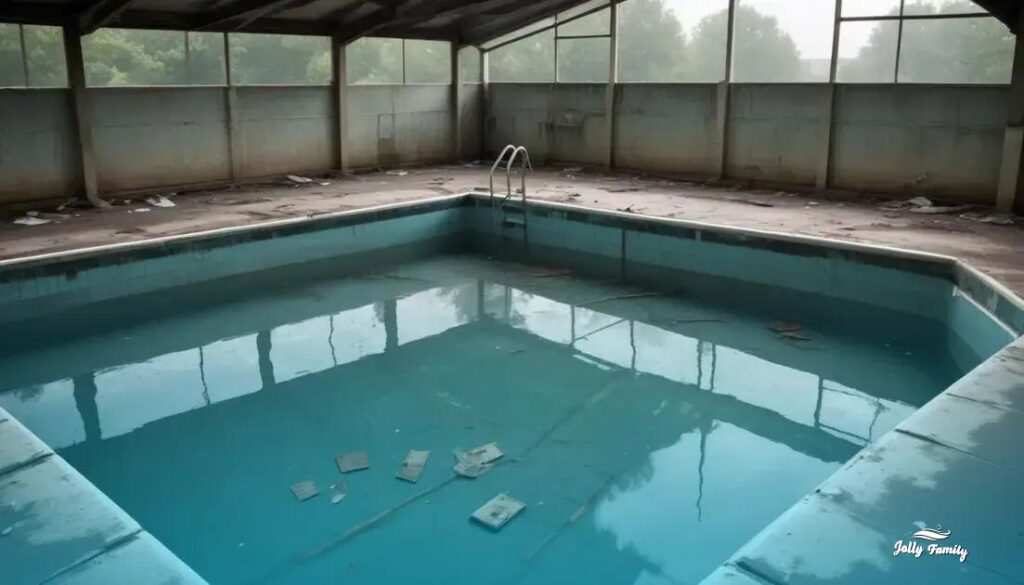
Leaves, branches, and other debris collecting on the surface or settling at the bottom of your pool indicate a lack of maintenance. Daily skimming and regular vacuuming help keep your pool clean, while also preventing any potential damage to the pool surface.
Unmaintained Landscaping
Plants and weeds growing close to the pool area can be a sign of neglect. Overgrown vegetation not only detracts from the pool’s appearance but can also pose a safety hazard.
Equipment Problems
If your pool equipment, such as pumps or filters, is not functioning properly, it’s a sign of neglect. Regular checks on these components are important to ensure they are working efficiently. Ignoring these issues can lead to costly repairs.
Cracks and Damage
Visible cracks in the pool surface or surrounding deck indicate neglect and can lead to further problems if not addressed promptly. Regular inspections can help catch these issues before they become serious.
How to identify water quality issues
To ensure your pool remains safe and inviting, knowing how to identify water quality issues is vital. Here are some key factors to consider:
Test the pH Levels
A balanced pH level is essential for clear and safe pool water. The ideal range is between 7.4 and 7.6. You can use pH test strips or a liquid test kit to determine the levels. If the pH is too low, the water becomes acidic, which can irritate skin and eyes.
Check for Chlorine Levels
Chlorine is crucial for keeping your pool free of harmful bacteria. The recommended chlorine level is between 1 and 3 parts per million (ppm). If levels drop below 1 ppm, the water may become unsafe. You can use test strips or a digital tester to measure chlorine levels accurately.
Observe Water Clarity
Clear water is a good indicator of proper maintenance. If the water appears cloudy or has an unusual color, it could signal an imbalance in chemicals or the presence of algae. Regularly examining the water’s clarity helps keep your pool safe and appealing.
Monitor Algae Growth
If you notice green, yellow, or black patches forming in your pool, you likely have an algae problem. Algae thrive in poorly balanced water, so make it a priority to treat it promptly. There are various algae treatments available to help restore your pool’s clarity.
Regular Water Tests
Make it a habit to test your pool water at least once a week. Keeping track of your water quality will help prevent slips into poor conditions. Many pool supply stores offer free water testing services, which can identify issues that may not be visible.
The importance of regular cleaning and upkeep
The importance of regular cleaning and upkeep cannot be overstated when it comes to maintaining a beautiful and inviting pool. Here are some key points to keep in mind:
Prevents Algae Growth
Regular cleaning helps prevent algae from taking hold in your pool. Algae can turn your pool into a green mess and make it unsafe for swimming. By skimming debris and vacuuming the floor regularly, you can keep algae at bay.
Enhances Water Clarity
Consistent upkeep contributes to clearer water. When the pool is cleaned regularly, dirt and debris are removed, which means you will have fewer issues with cloudy water. Crystal-clear water is not only aesthetically pleasing but also increases safety.
Extends Equipment Lifespan
Cleaning your pool and maintaining the equipment can prolong its lifespan. When pumps and filters are free of debris and functioning properly, they operate more efficiently and require fewer repairs. This means lower costs in the long run.
Improves Chemical Balance
Regular maintenance can help maintain proper chemical levels in your pool water. By frequently testing and adjusting chemicals, you can avoid imbalances that may lead to skin irritation or water quality issues.
Encourages Safe Swimming Environment
A well-maintained pool is a safe pool. Regular cleaning and upkeep ensure that there are no dangerous items lurking beneath the water’s surface. This makes your pool a welcoming space for family and friends.
Key maintenance checks to prevent costly repairs
Key maintenance checks to prevent costly repairs are essential for keeping your pool in good shape and avoiding unexpected expenses. Here are some important areas to focus on:
Inspect Pool Equipment
Regularly check your pool’s pumps, filters, and heaters. Ensure there are no leaks or damages that could lead to water loss or further damage. Keeping these components in good working order will save you money on repairs.
Check Water Levels
Maintaining the right water level is critical. If the water is too low, the pump may run dry and become damaged. On the other hand, too much water can lead to overflow issues. Regularly monitor the water level and adjust as needed.
Examine the Skimmer and Main Drain
Make sure the skimmer and main drain are free of debris. Clogs in these areas can lead to circulation problems, which can cause imbalances in water chemistry and promote algae growth.
Monitor Tile and Coping Integrity
Check the tiles and coping around your pool for cracks or signs of wear. Damaged tiles can lead to further water loss and structural issues. Repairing them promptly can prevent more extensive damage.
Review Safety Equipment
Regularly inspect safety equipment such as pool covers, alarms, and fencing. Ensure they function correctly to provide the necessary safety for children and pets. This not only protects accidents but also reduces liability.
What to do if you notice neglected signs
If you notice neglected signs around your pool, it’s important to take action quickly. Here are steps you should follow:
Assess the Situation
Start by thoroughly inspecting your pool for issues like debris, vegetation growth, or equipment malfunction. Identify specific problems that need immediate attention, whether they are related to cleanliness, chemical balance, or structural integrity.
Clean the Pool
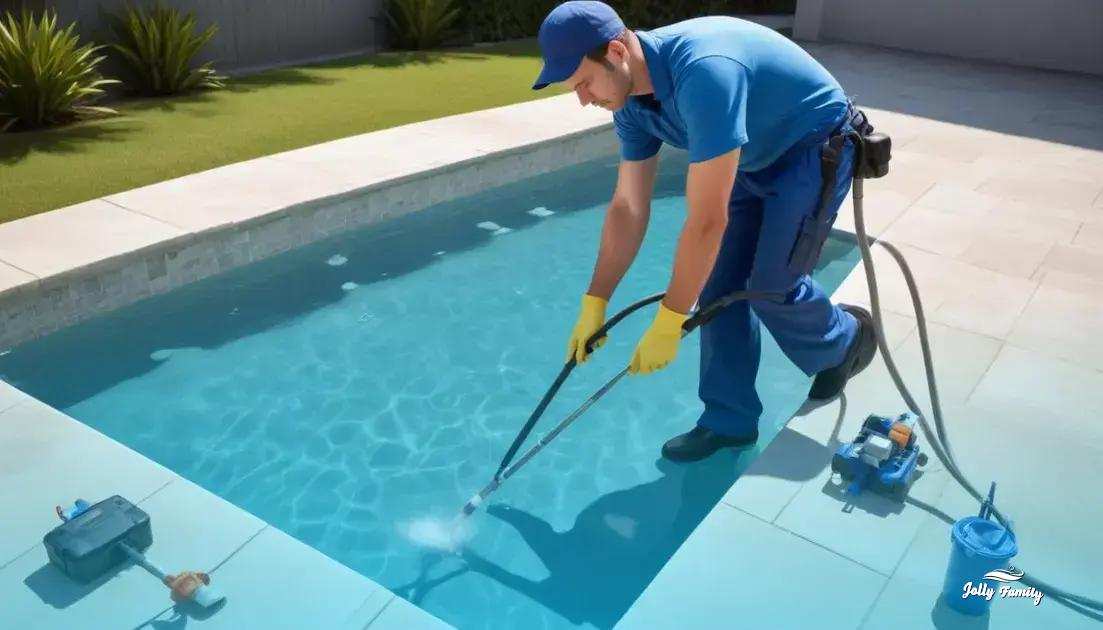
Clear out any debris using a skimmer net and vacuum the pool floor. This will improve both the appearance and the water quality. Don’t forget to check the skimmer and main drain for blockages, as these can affect circulation.
Test Water Chemistry
Testing the water for pH, chlorine, and other chemical levels is crucial. If the levels are off, adjust them accordingly. Proper water chemistry helps prevent algae growth and ensures a safe swimming environment.
Inspect Equipment
Check all pool equipment, including pumps, filters, and heaters. Ensure they are functioning correctly. If you notice odd noises or leaks, it may be time to call a professional for repairs.
Schedule Regular Maintenance
Once issues are addressed, set up a regular cleaning and maintenance schedule. This includes weekly checks of water levels and chemical balances, as well as monthly deep cleaning. Consistency is key to preventing further neglect.
In summary, maintaining a safe and inviting pool
Regular maintenance and careful observation are crucial to preventing neglected signs around your pool. By taking proactive steps, such as cleaning, testing water quality, and scheduling inspections, you can ensure your pool remains a beautiful and safe place for everyone.
Identifying issues early allows you to address them before they become costly repairs. A well-cared-for pool not only enhances your outdoor space but also provides peace of mind, knowing you have a safe environment for family and friends to enjoy.
So, make pool maintenance a priority. Enjoy your swimming season with a clean and well-maintained pool!
FAQ – Frequently Asked Questions about Pool Maintenance
What are the signs of neglected pool maintenance?
Common signs include cloudy water, debris buildup, and equipment malfunctions. Regular inspections can help catch these early.
How often should I clean my pool?
You should clean your pool at least once a week, but more frequent cleaning may be necessary during periods of heavy use or after storms.
What is the ideal pH level for pool water?
The ideal pH level for pool water is between 7.4 and 7.6. Maintaining this range ensures safe swimming conditions.
How can I prevent algae growth in my pool?
Regularly clean your pool, maintain proper chemical balance, and ensure good water circulation to prevent algae growth.
Why is regular maintenance important?
Regular maintenance helps improve water quality, extends the lifespan of equipment, and ensures a safe swimming environment for everyone.
What steps should I take if I notice neglected signs?
Inspect the pool, clean it thoroughly, test the water chemistry, check the equipment, and establish a regular maintenance schedule.