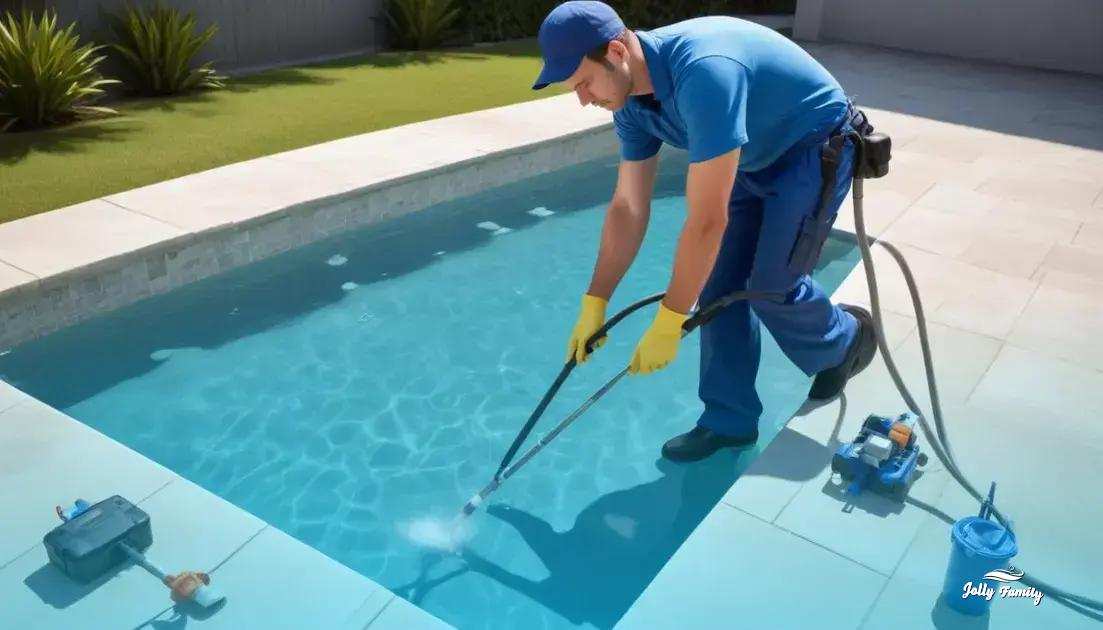


pool service plans Kissimmee FL provide scheduled cleaning, chemical balancing, equipment inspections, and documented guest-ready services tailored for local climate and rental needs, with weekly, biweekly or custom visits, add-ons like green-to-clear recovery and heater tune-ups, plus transparent pricing and photo logs to prevent costly downtime.
pool service plans Kissimmee FL can feel confusing—which option fits a family home or an Airbnb? I’ve watched pools go from cloudy to inviting with steady care; with Jolly Family you get local, reliable maintenance tailored to your schedule.
what pool service plans cover in Kissimmee
Most pool service plans in Kissimmee focus on regular care that keeps water safe and equipment working. A good plan combines cleaning, testing, and routine checks so you don’t have to guess what needs attention.
What a typical weekly visit includes
- Skimming surface debris, brushing walls and tile, and vacuuming the pool floor.
- Emptying skimmer and pump baskets and checking water level.
- Chemical balance testing and adjustment: free chlorine, pH, alkalinity, and stabilizer levels.
- Shock treatment or algaecide when needed to prevent cloudiness.
- Basic equipment inspection: pump, filter, heater, and visible plumbing for leaks or faults.
- Logging results and photo evidence so you can review the service.
Preventive care and small repairs
Plans often include minor adjustments like tightening fittings, replacing o-rings, or backwashing filters. Major repairs and part replacements are usually billed separately, but many companies offer repair quotes after inspection.
Special considerations for Kissimmee
Hot weather and frequent storms raise algae and debris risks. Expect more frequent chemical balancing after heavy rain or lawn fertilizing. Vacation rentals need faster turnarounds and guest-ready checks after stays.
Plan types and common add-ons
- Weekly, biweekly, or monthly maintenance options to match pool use and budget.
- Add-ons: pool openings/closings, green-to-clear recovery, salt-cell cleaning, heater tune-ups, and equipment upgrades.
- Custom plans for vacation rentals: guaranteed service windows and documented photos for hosts.
What to expect from your service provider
A reliable tech arrives with tools and a checklist, tests water on-site, performs stated tasks, and gives clear notes or photos. Ask about communication, emergency response, and any guarantees on service quality.
how Jolly Family customizes plans for your home or vacation rental
Jolly Family starts with a site visit to learn how your pool is used and what it needs. Technicians note pool size, equipment type, sun exposure, and whether the property is a permanent home or a vacation rental.
personalized assessment and plan design
They perform a fast inspection: filter type, pump condition, heater status, and common trouble spots. Based on that, the company recommends a schedule and services. Custom plans match your budget and how often the pool is used.
- Initial water and equipment check to set baseline readings.
- Suggested visit frequency: weekly, biweekly, or custom.
- Recommended add-ons like green-to-clear recovery or salt-cell cleaning.
service frequency and flexibility
Plans are flexible. If you host guests or use the pool daily, a weekly plan keeps water balanced and inviting. For low-use pools, biweekly visits may save money while keeping safety standards.
vacation rental and guest-ready features
For vacation homes, Jolly Family offers quick turnarounds and documented proof of service. Technicians include photo evidence and time-stamped notes after each visit so hosts can confirm the pool is guest-ready.
- Guaranteed service windows for check-in days.
- Rapid response options for last-minute guest issues.
- Extra sanitization and visual checks before guest arrival.
clear pricing, add-ons, and billing
Plans list what is included and what costs extra. Expect simple invoices and clear quotes for repairs. Common add-ons are heater tune-ups, cover removal, and equipment replacement quotes.
communication, records, and quality assurance
Good plans include regular updates via text or an app. You should receive service logs, test results, and photos. Transparent records help you track trends and spot recurring problems early.
Technicians arrive with a checklist, test kit, and tools. They explain findings in plain terms and recommend fixes only when needed. This keeps service predictable and helps you avoid surprise costs.
weekly maintenance checklist: tests, cleaning and equipment care
A weekly maintenance checklist keeps your pool safe and swim-ready. Follow clear steps for testing water, cleaning surfaces, and checking equipment so small problems don’t become big ones.
water testing
Test chemicals at least once per week. Use test strips or a digital tester to check free chlorine, pH, and total alkalinity. Record the readings and adjust chemicals as needed. If you use salt or a salt cell, check salt levels monthly. After heavy rain or a party, test again.
cleaning tasks
- Skim the surface to remove leaves and debris.
- Brush walls, tile line, and steps to prevent algae and scale.
- Vacuum the pool or run the automatic cleaner to remove settled debris.
- Empty skimmer and pump baskets so water flows freely.
equipment care
Inspect visible equipment every week. Check the pump for unusual noise or vibration, ensure the filter pressure is normal, and look for leaks at fittings. Backwash or clean the filter per the manufacturer’s schedule. Test the heater and timer if you use them.
recordkeeping and communication
Keep a simple log with date, chemical readings, and any actions taken. Photo evidence of the pool and equipment helps track changes and supports quick fixes. If a technician visits, ask for notes or a short report you can review.
signs to watch for
- Cloudy or green water after treatment — may need shock or algaecide.
- Rising filter pressure — likely a clogged filter.
- Low water level or frequent topping off — possible leak or splash loss.
- Strange noises or loss of suction — inspect pump and lines.
A clear weekly routine and quick reporting make maintenance predictable and reduce emergency repairs. Simple checks by you or a tech keep the pool safe for family and guests.
preventive repairs and inspections to avoid costly downtime
Regular inspections stop small problems from becoming big bills. A preventive approach finds worn parts, leaks, and electrical issues early. This keeps your pool working and safe.
inspection checklist
- Check pump and motor for noise, vibration, and leaks.
- Read filter pressure gauge; note sudden pressure rises.
- Inspect heater connections and test ignition or electric startup.
- Examine salt cell or chlorinator for scale and proper output.
- Test lights, timers, and GFCI outlets for safe operation.
- Look over valves, unions, and visible plumbing for cracks or drips.
- Scan the pool shell and tile for cracks, loose coping, or grout loss.
common issues and quick fixes
Some fixes are fast and low cost. O-ring replacements, tightening fittings, and clearing impellers often restore function that would otherwise lead to failure. Filter cleanings and backwashes reduce strain on the pump.
when to schedule repairs
If you see low pressure, steady leaks, cloudy water after treatment, or odd noises, plan a repair soon. Delaying can damage motors and heaters, which raises repair time and cost.
how technicians document and prioritize work
A good tech will log findings, take photos, and give a clear quote. They should mark urgent items and offer a timeline for fixes. Priority repairs protect safety and prevent pool downtime.
benefits of preventive inspections
- Fewer emergency calls and sudden closures.
- Lower lifetime costs by replacing parts before they fail.
- Better water quality and safer swim conditions.
- Clear records that help with warranty claims and resale value.
Simple, regular checks keep equipment running and reduce surprises. Treat inspections as an investment in fewer repairs and more pool time.
choosing the right plan: frequency, add-ons and questions to ask
Match plan frequency to how often the pool is used and the local weather. For active family pools or rentals, choose weekly visits. For low-use pools, biweekly or monthly service may be enough if you monitor chemistry closely.
how to weigh frequency options
- Weekly: best for heavy use, rentals, and hot seasons; keeps chemicals steady and water clear.
- Biweekly: works for low-use pools in mild weather but may need extra checks after storms.
- Monthly: cost-saving choice for rarely used pools; perform a quick check after heavy rain or a party.
common add-ons and when they help
Add-ons address specific needs. Consider green-to-clear services after algae blooms, salt-cell cleaning for salt systems, cover removal/opening, and heater tune-ups before cool months. Choose add-ons based on equipment type and how fast you need fixes.
questions to ask before you buy
- What exactly is included in the base price? Ask for a written list.
- How do you handle emergency calls or last-minute guest issues?
- Are chemicals, parts, and minor repairs included or extra?
- Do you provide service logs, photos, or an app to track visits?
- What guarantees do you offer for response time and workmanship?
budgeting and transparency
Look for clear invoices and a simple add-on price list. A good provider gives a written estimate for repairs and explains why a service is needed. Transparent pricing helps avoid surprise bills and keeps your pool costs predictable.
Ready to enjoy your pool more
Regular care keeps water clear and equipment working. A good plan saves time and cuts surprise bills.
Pick a frequency that matches use—weekly for rentals or busy families, biweekly for quieter pools. Ask for clear pricing, photo logs, and fast response for guest needs.
Preventive inspections and quick fixes stop small issues from growing into costly repairs. Keep simple records to track trends and costs.
Compare local providers, get a written plan, and book a baseline inspection. That small step makes your pool more reliable and easier to enjoy.
FAQ – pool service plans Kissimmee, FL
What do pool service plans in Kissimmee usually include?
Most plans include cleaning (skimming, brushing, vacuuming), weekly chemical testing and adjustment, equipment checks, minor fixes, and service logs or photos.
How often should I schedule service for my pool?
Weekly is best for rentals and heavy use, biweekly can work for low-use pools, and monthly may suffice for rarely used pools with extra checks after storms.
How much do pool service plans cost?
Costs vary by pool size, frequency, and add-ons; ask for a written price list and an upfront quote to compare options.
Are repairs and parts covered by service plans?
Minor adjustments are often included, but major repairs and part replacements are usually billed separately with a clear repair estimate.
Can a plan meet vacation rental needs and quick turnarounds?
Yes—many providers offer guest-ready checks, photo evidence, guaranteed service windows, and rapid response options for last-minute issues.
What questions should I ask before hiring a pool service?
Ask what’s included, emergency response time, chemical brands used, whether they provide photos/logs, pricing for add-ons and repairs, and proof of insurance or warranties.