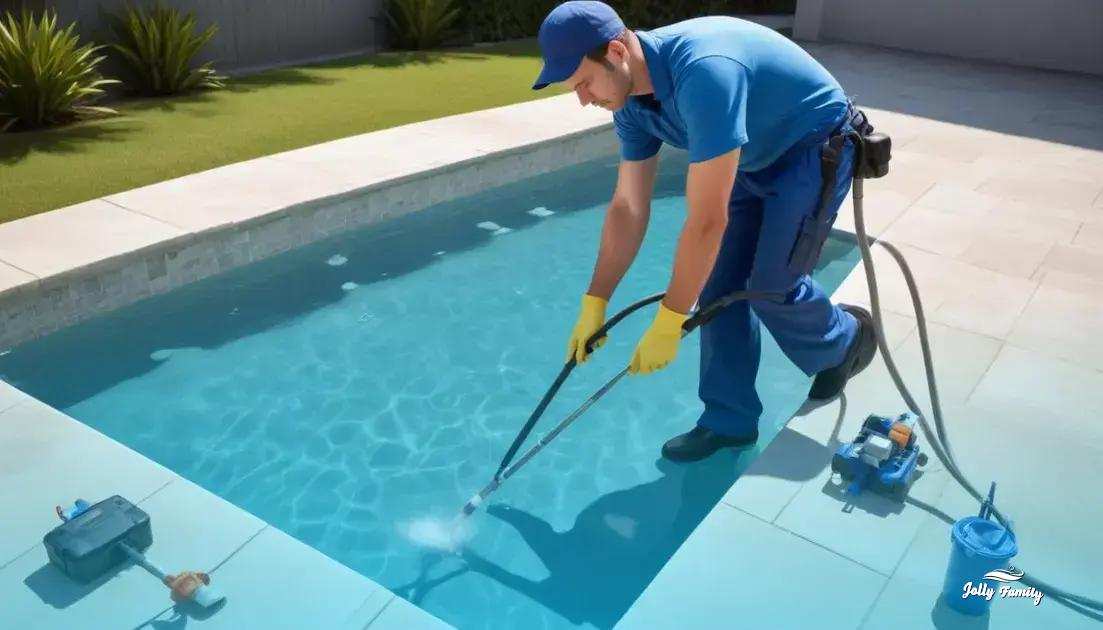

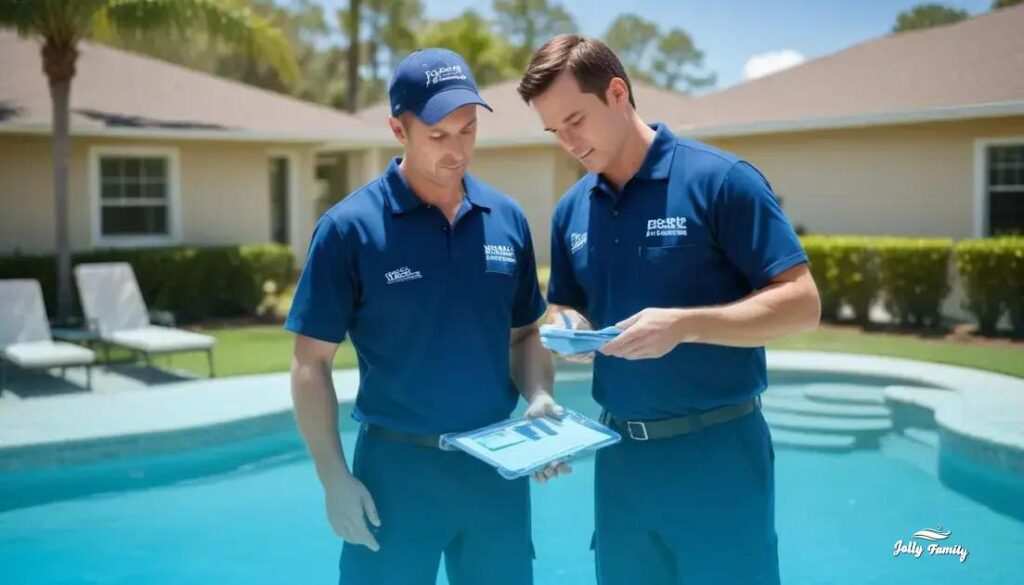
pool service reliability factors include consistent scheduling, rapid emergency response, certified technicians with calibrated testing equipment, accurate chemical monitoring and documented logs, transparent pricing and communication, proactive preventive maintenance tailored to local weather and water conditions, clear service reports with photos, and defined response times that minimize downtime.
pool service reliability factors; understanding them helps you spot a dependable team like Jolly Family in Kissimmee. Ever wondered why some pools stay crystal clear while others don’t? I’ll walk through practical signs and simple checks you can use before hiring—or keeping—service for the long run.
what reliability means for your pool service in Kissimmee
Reliability in pool service shows up as steady care that prevents problems and keeps your pool ready to use.
Consistent schedule and punctuality
A reliable company keeps a fixed visit plan and arrives on time. Regular visits catch small issues early. Ask for a clear weekly or biweekly schedule and a backup for missed calls.
Qualified technicians and proper tools
Technicians should be trained and carry modern tools. Look for certifications, routine training, and calibrated test kits. Skilled techs diagnose pump, filter, and heater issues fast.
Transparent reporting and accurate testing
Trust comes from clear reports after each visit. Good reports show chemical readings, actions taken, and recommended next steps. Visible test logs and photos prove consistent care.
Fast response and emergency support
Reliability includes quick fixes when problems appear. Ask about response times, emergency visits, and temporary solutions like backup pumps to avoid long downtime.
Local knowledge and preventive maintenance
Kissimmee’s heat, storms, and local minerals affect pools. A reliable team adjusts chemistry for weather, treats algae early, and schedules seasonal maintenance. Preventive checks reduce repairs and cost over time.
key factors: scheduling, response time and technician expertise
Dependable pool service hinges on three linked parts: a clear schedule, fast response when things go wrong, and skilled technicians who fix issues right the first time.
Reliable scheduling
A steady visit plan builds trust. Look for a provider that offers a fixed day and arrival window, digital reminders, and a published frequency (weekly, biweekly). Consistent timing keeps chemistry stable and prevents algae growth.
- Set visits on the same days each cycle to reduce surprises.
- Ask for automated reminders and written visit logs.
- Confirm a backup service when regular techs are unavailable.
Fast response time
Quick action limits damage and downtime. Reasonable standards are same-day checks for urgent issues and a clear timeframe (for example, within 24 hours for non-emergencies). Emergency protocols should be defined for pump failure, major leaks, or unsafe water.
- Check the provider’s average response time and emergency fees.
- Make sure they offer temporary fixes (like a loaner pump) to keep the pool usable.
- Prefer companies with multiple crews or on-call technicians for faster arrival.
Technician expertise and trust signals
Skills and tools matter. A reliable technician carries calibrated test kits, diagnostic devices, and parts for common repairs. Certifications, ongoing training, and documented experience show competence.
- Verify certifications, insurance, and background checks.
- Ask how techs diagnose recurring problems and what training they receive.
- Look for clear written reports with chemical numbers and recommended fixes.
Quick checklist to evaluate providers
Use this short list when comparing companies:
- Do they give a fixed schedule and visit log?
- What is their stated response time for emergencies?
- Are technicians certified and stocked with proper tools?
- Can they show before-and-after photos or test logs?
- Do they offer guarantees or service level agreements?
chemical balance and testing routines trusted by Jolly Family
Keeping a pool safe and clear depends on precise chemical balance and regular testing. Jolly Family trusts simple routines that catch shifts before they become big problems.
Core chemicals to monitor
Focus on free chlorine, pH, total alkalinity, calcium hardness, and stabilizer (cyanuric acid). Aim for free chlorine 1–3 ppm, pH 7.2–7.8, and total alkalinity 80–120 ppm. If numbers fall outside these ranges, treatment is needed to avoid cloudy water, corrosion, or skin irritation.
Testing methods and tools
Use reliable kits: DPD color test, photometer, or calibrated digital probes. Test strips are fine for quick checks, but DPD or photometer readings give more accurate results for service reports. Calibrate meters often and replace reagents before expiration.
Routine schedule and record keeping
At each service visit, test and log all key readings. Jolly Family typically records results, actions taken, and follow-up steps in an online report. A good routine includes:
- Test at the start of each visit and after any treatment.
- Keep a visible log with dates, numbers, and technician initials.
- Photograph test strips or meter screens when values are borderline.
Common fixes and thresholds
Small imbalances need small fixes: add chlorine or shock when combined chlorine is high; use pH increaser or reducer to stay within range. Shock the pool if combined chlorine exceeds 0.2 ppm or after heavy bather load. Raise alkalinity slowly to avoid pH swings.
Weather, usage, and preventive tips
Heat, storms, and heavy use change chemistry fast. Increase testing after storms and during hot weeks. Preventive steps include maintaining proper circulation, cleaning filters, and using stabilizer for outdoor pools to protect chlorine from sun loss.
Why documented routines matter
Clear, dated reports and calibrated tests show that care was consistent. Ask for copies of logs and a summary of actions. Trust grows when technicians show numbers, explain them in plain terms, and recommend simple next steps.
transparent communication, reporting and emergency protocols
Clear, simple communication keeps pool owners in control and avoids surprises. A good service shares what happened, why it happened, and the next steps.
Real-time alerts and easy contact
Use SMS, email, or an app so you know right away about low chlorine, pump failure, or storm contamination. Real-time alerts reduce downtime and let you approve quick fixes. Make sure the company offers a direct emergency number and a predictable response window.
Detailed visit reports and logs
Every visit should produce a short, clear report. Reports must list chemical readings, actions taken, parts replaced, and follow-up steps. Photos and timestamps add proof and cut confusion.
- Chemical numbers with target ranges.
- Actions performed and why.
- Photos of equipment or problem areas.
- Recommended next steps and timing.
Transparent pricing and approvals
Prices should be itemized and approvals requested for repairs above a set threshold. A reliable provider gives estimates, notes urgent fixes, and records any owner permissions. This avoids surprise charges.
Emergency protocols and escalation
Ask for clear emergency steps: who responds, when, and what temporary measures are used. A strong plan includes a 24/7 emergency line, backup parts or loaner pumps, and an escalation path if the first crew cannot solve the issue.
How to verify communication quality
Check these signs before you commit:
- Do they send sample reports or a demo of the owner portal?
- Is there a published response time for emergencies?
- Can you reach an on-call technician quickly?
- Do reports use plain language and include photos?
how to choose a long-term pool partner: questions to ask
Ask focused questions that reveal how a company works day to day. Clear answers show whether they fit your needs long-term.
Reliability and scheduling
- What is your regular service frequency and arrival window? Consistent visits keep chemistry steady.
- Do you guarantee technicians will arrive on the scheduled day, or provide a backup?
- How do you handle missed visits or rescheduling?
Technician qualifications and safety
- Are technicians certified, insured, and background checked?
- What training do techs receive for pumps, heaters, and chemical handling?
- Do they carry calibrated test kits and common replacement parts?
Pricing, contracts, and guarantees
- Is pricing itemized for routine service, repairs, and emergency calls?
- Do they require long-term contracts, and what are cancellation terms?
- Do they offer service guarantees or satisfaction policies for recurring care?
Communication and emergency response
- How are visit reports delivered (email, app, SMS) and do they include chemical readings and photos?
- What is the stated emergency response time and after-hours protocol?
- Are approvals requested for repairs above a set dollar amount?
Local experience and references
- How long have they serviced pools in your area and can they share local references?
- Do they handle seasonal issues like storms, heat, or local mineral water effects?
- Ask for sample reports or a demo of their owner portal to verify transparency.
Use these answers to compare vendors side by side. Prioritize clear communication, fair pricing, and a proven quick response for peace of mind.
Key takeaways and next steps
Reliable pool care comes from steady schedules, fast response, skilled technicians, and clear reports. These things cut down surprises and costly repairs.
Before you hire, ask for sample visit logs, response times, and proof of training. Check that chemicals are tested and recorded each visit.
- Confirm a fixed schedule and backup plans for missed visits.
- Require clear reports with chemical numbers and photos.
- Make sure technicians are certified and emergency steps are defined.
Taking these simple steps helps you pick a long-term partner who keeps your pool safe, clean, and ready to enjoy.
FAQ – Frequently asked questions about pool service reliability factors
What is a reliable service schedule and why does it matter?
A reliable schedule means fixed visit days and arrival windows. Consistent visits keep chemistry stable and prevent algae and equipment strain.
How quickly should a pool company respond to emergencies?
Good providers offer same-day checks for urgent issues and a clear emergency line. Fast response limits damage and keeps the pool usable.
How can I verify technician qualifications and trustworthiness?
Ask for certifications, proof of insurance, and background checks. Also confirm ongoing training and that techs carry calibrated test kits and spare parts.
Which chemical levels should be tested each visit?
Check free chlorine (1–3 ppm), pH (7.2–7.8), total alkalinity (80–120 ppm), calcium hardness, and stabilizer. Records help spot trends before problems grow.
What should a clear service report include?
Reports should show chemical readings, actions taken, photos with timestamps, replaced parts, and recommended follow-ups. Plain language makes it easy to understand.
What questions help me choose a long-term pool partner?
Ask about fixed schedules, published response times, sample visit logs, pricing and guarantees, technician training, and local experience handling weather and water issues.