
pool water smells strong chlorine — it usually indicates chloramines formed when free chlorine binds with sweat, urine, or oils; test free and total chlorine, calculate combined chlorine, shock to breakpoint if combined chlorine is above 0.5 ppm, run filtration, adjust pH to 7.2–7.6, and call a professional if symptoms or odors persist.
pool water smells strong chlorine — that sharp odor can ruin a swim and leave you guessing. Want a clear, safe pool? Jolly Family explains what to check and the next steps to take.
common causes of a strong chlorine smell in pool water
A strong chlorine smell often comes from chemical reactions, not just too much chlorine. The most common culprit is chloramines, which form when free chlorine bonds with sweat, urine, oils, or other organic matter. Chloramines are smelly and irritating, even when free chlorine looks normal.
Main causes
- Combined chlorine (chloramines): Formed by chlorine plus contaminants; causes the sharp “pool smell.”
- High bather load: Many swimmers add sweat, sunscreen, and urine that create chloramines quickly.
- Poor circulation or filtration: Debris and organics stay in the water and let chloramines build up.
- Incorrect chemical balance: High pH or low free chlorine prevents proper sanitizing and increases odors.
- Stabilizer and sanitizer issues: Too much cyanuric acid (stabilizer) or using the wrong sanitizer type can reduce chlorine effectiveness.
How to test and confirm
Use a reliable test kit to measure free chlorine, combined chlorine, and pH. If combined chlorine is above 0.5 ppm, chloramines are likely. Compare free chlorine to combined chlorine: a wide gap means the sanitizer is tied up with contaminants.
Quick fixes to try right away
- Shock the pool to reach breakpoint chlorination (raise free chlorine significantly for several hours) to destroy chloramines.
- Run the pump and filter continuously until the water clears; clean or backwash the filter.
- Brush and vacuum the pool to remove organics clinging to surfaces.
- Adjust pH to the ideal range of 7.2–7.6 so chlorine works efficiently.
When odors still persist
If the smell returns fast, consider professional testing for total dissolved solids, high cyanuric acid, or other contaminants. Regular maintenance and encouraging pre-swim showers reduce the chance of chloramine build-up.
is the odor harmful? health and safety signs to watch
A strong chlorine smell can mean more than just extra sanitizer. Often it signals chloramines, which form when chlorine reacts with sweat, urine, or other contaminants. Chloramines can irritate the eyes, nose, and lungs even when measured free chlorine looks normal.
Signs to watch
- Red, burning eyes or itchy skin after entering the pool.
- Coughing, wheezing, or shortness of breath, especially in people with asthma.
- Persistent throat or nose irritation that improves out of the pool.
- Strong chemical smell that is worse near the water or in indoor pools with poor ventilation.
- Cloudy water, foam near skimmers, or visible dirt and oils on the surface.
When it may be unsafe
If swimmers develop symptoms, or if testing shows combined chlorine above 0.5 ppm, avoid swimming. Young children, older adults, and people with respiratory conditions are more at risk and should stay out until the issue is fixed.
Immediate steps to take
- Get out of the water and breathe fresh air. Rinse off in the shower.
- Tell the pool operator or lifeguard right away.
- Do not swim if you feel faint, dizzy, or have trouble breathing; seek medical help if symptoms worsen.
Actions for pool operators
Test free chlorine, combined chlorine, and pH. If combined chlorine is high, perform breakpoint chlorination, run filtration continuously, and clean or backwash filters. For indoor pools, increase ventilation and limit bather load until levels return to normal.
Regular testing, clear shower rules, and good circulation cut the risk of chloramine buildup and keep swimmers safer.
how to test water and identify the real chlorine issue
Collect a water sample from elbow depth, away from return jets and skimmers, using a clean container. Test a fresh sample on the deck for the most accurate readings.
How to test step-by-step
- Rinse the sample bottle, then fill it about halfway at mid-depth.
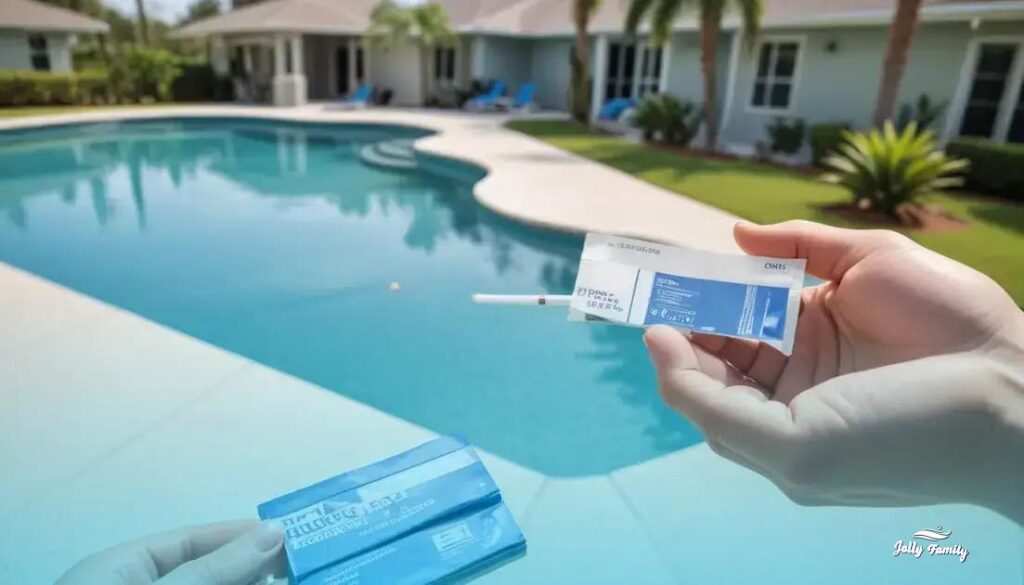
- Test free chlorine and total chlorine using a DPD (liquid) kit or reliable test strips.
- Calculate combined chlorine as: total chlorine minus free chlorine. If combined chlorine > 0.5 ppm, chloramines are likely.
- Measure pH and aim for 7.2–7.6. Check cyanuric acid (stabilizer) and total alkalinity too.
- Record all values and repeat tests after any treatment or after several hours of filtration.
Tools to use
Use a liquid DPD kit for accuracy, especially to separate free and total chlorine. Test strips are faster but slightly less precise. A digital photometer gives reliable ppm numbers. ORP meters show sanitizer activity but don’t replace a chemical test for combined chlorine.
How to interpret results
- Free chlorine ideal for pools: about 1–3 ppm for residential pools; adjust by local rules.
- Combined chlorine > 0.5 ppm signals chloramine buildup and explains strong odor or irritation.
- If free chlorine is very low and combined is high, you need to shock the pool to reach breakpoint chlorination so chloramines are destroyed.
- If free chlorine is high but swimmers still smell irritation, check ventilation (indoor pools) and combined chlorine—sometimes readings lag or contaminants are high.
Actions after testing
If combined chlorine is high, perform a pool shock to reach breakpoint levels and run filtration continuously. Re-test after treatment and repeat if needed. Lower very high cyanuric acid or replace part of the water if CYA prevents effective sanitizing.
Record keeping and frequency
Test at least twice a week for home pools and daily for busy or indoor pools. Keep a simple log of date, time, free chlorine, total chlorine, pH, and any treatments. Trends help spot recurring problems early.
When to call a professional
Contact a pool technician if combined chlorine stays high after treatment, water stays cloudy, or chemical results don’t match physical signs like strong odor or eye irritation. A pro can test for total dissolved solids and heavy contaminants.
practical steps to reduce the smell: diy fixes that work
Many strong chlorine smells respond to quick, practical fixes you can do yourself. Start with simple steps that remove contaminants and restore sanitizer balance before trying stronger treatments.
Step-by-step DIY fixes
- Test the water for free chlorine, combined chlorine, pH, and cyanuric acid. Accurate results guide the right treatment.
- Shock to breakpoint if combined chlorine is high: add calcium hypochlorite or liquid chlorine following product directions to reach breakpoint chlorination. Run the pump while shocking and keep swimmers out until free chlorine returns to the safe range.
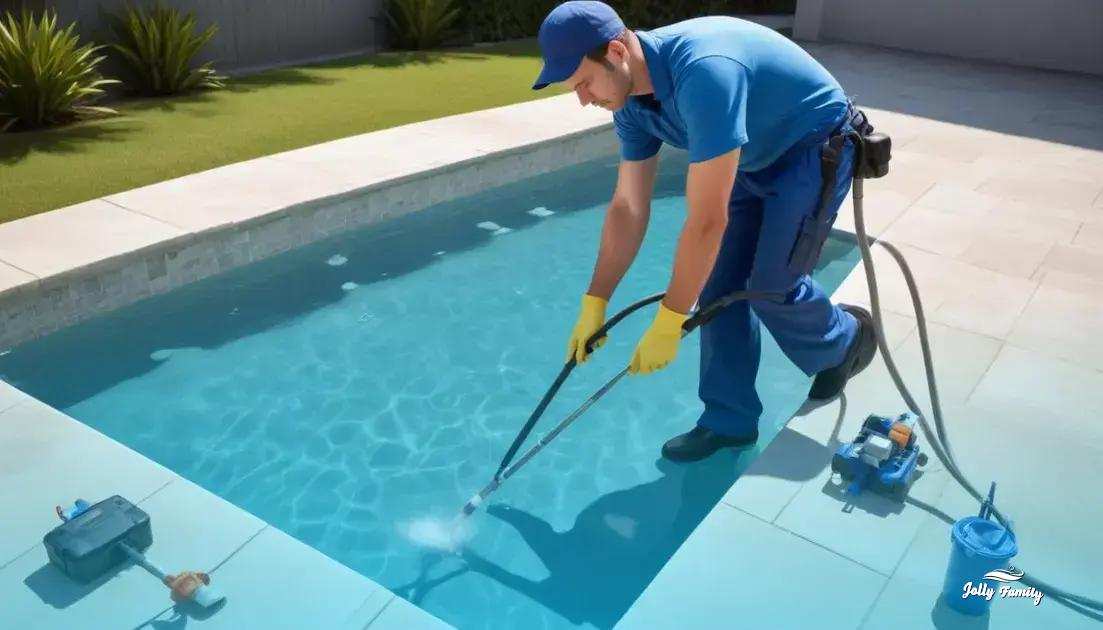
- Run circulation and clean the filter continuously for 24 hours after shocking. Backwash or clean cartridge filters and remove visible foam or scum from skimmers.
- Brush and vacuum pool surfaces to free oils and organic matter so the filter can remove them.
- Adjust pH to 7.2–7.6 so chlorine works efficiently. Low or high pH reduces sanitizer action and can prolong odors.
- Use an enzymatic cleaner to break down body oils and lotions that feed chloramine formation. Follow label directions and repeat as needed.
- If cyanuric acid (CYA) is very high, lower it by partially draining and refilling the pool or by dilution. High CYA can make chlorine less effective.
Quick fixes for indoor pools
- Increase ventilation and run exhaust fans to remove airborne chloramines.
- Limit bather load and schedule shock treatments during low-use hours.
Safety and timing
Wear gloves and eye protection when handling concentrated chemicals. After shocking, only allow swimming again when free chlorine is back in the recommended range and the smell has faded. Keep kids and pets away during treatment.
Maintenance habits to prevent returns
- Encourage pre-swim showers and bathroom breaks to reduce contaminants.
- Test water at least twice a week and log results to spot trends early.
- Clean filters regularly and replace cartridges when worn.
If odors persist despite these steps, or if tests show odd readings, contact a pool professional to check for hidden contamination, high total dissolved solids, or equipment issues.
when to call Jolly Family: professional maintenance and prevention
If DIY steps don’t stop the strong chlorine smell, call Jolly Family. Persistent odor, recurring irritation, or odd test results mean a pro should inspect the pool.
What a pro will check
- Full water analysis: free and total chlorine, combined chlorine, pH, cyanuric acid, alkalinity, and total dissolved solids.
- Filtration and circulation: pump flow, filter condition, skimmer function, and return jets.
- Equipment and systems: heaters, UV or ozone units, and ventilation in indoor pools.
- Signs of hidden contamination, buildup, or chemical imbalance that DIY tests can miss.
Typical professional fixes
- Controlled breakpoint chlorination with monitoring until combined chlorine is low.
- Deep-cleaning or acid washing of surfaces and thorough filter servicing or replacement.
- Targeted use of non-chlorine oxidizers, enzyme treatments, and clarifiers to remove organics.
- Adjusting or lowering cyanuric acid via dilution when CYA blocks chlorine action.
- Repairing or upgrading circulation, filtration, or ventilation systems for lasting results.
What to expect after service
The technician will give clear test results, a treatment plan, and timing for re-testing. Water and air quality often improve within 24–48 hours after proper treatment and filtration.
When to call urgently
- Severe eye or respiratory irritation, dizziness, or breathing difficulty after swimming.
- Combined chlorine remains above 0.5 ppm despite shock treatments.
- Cloudy water, persistent foam, or foul odor that returns quickly.
- Visible equipment failure or very high cyanuric acid or total dissolved solids.
Prevention and maintenance plans
Ask Jolly Family about routine service plans, regular testing schedules, and bather-load advice. Scheduled maintenance prevents chloramine build-up and keeps the pool safe and pleasant.
Final steps to fix a strong chlorine smell
If your pool smells like chlorine, start by testing the water. Shock the pool if combined chlorine is high, run the filter, and brush surfaces. Keep pH between 7.2 and 7.6 so the sanitizer works well.
Stop swimming if people have red eyes, cough, or trouble breathing. Call a professional when odors return quickly, tests stay abnormal, or equipment looks wrong.
Prevent future problems with regular testing, good filtration, and simple rules like showering before swimming. Small habits and steady maintenance keep the water clear and comfortable.
FAQ – Pool water smells strong chlorine
Why does my pool smell strongly of chlorine?
A strong chlorine smell usually means chloramines formed when chlorine reacts with sweat, urine, or oils, not just excess chlorine.
Is the smell harmful to swimmers?
Chloramines can irritate eyes, skin, and lungs. People with asthma or sensitive lungs may cough or wheeze and should avoid swimming until fixed.
How can I test to find the real issue?
Test free chlorine, total chlorine, and pH. Calculate combined chlorine (total minus free). If combined chlorine is over 0.5 ppm, chloramines are likely.
What quick DIY steps reduce the smell?
Shock the pool to reach breakpoint chlorination, run filtration, brush and vacuum surfaces, and adjust pH to 7.2–7.6. Use enzyme cleaners for oils.
How can I prevent the smell from coming back?
Encourage pre-swim showers, limit bather load, test water regularly, clean filters, and follow a routine maintenance schedule.
When should I call a professional like Jolly Family?
Call a pro if odors persist after treatments, combined chlorine stays high, water remains cloudy, or swimmers have strong irritation or breathing trouble.