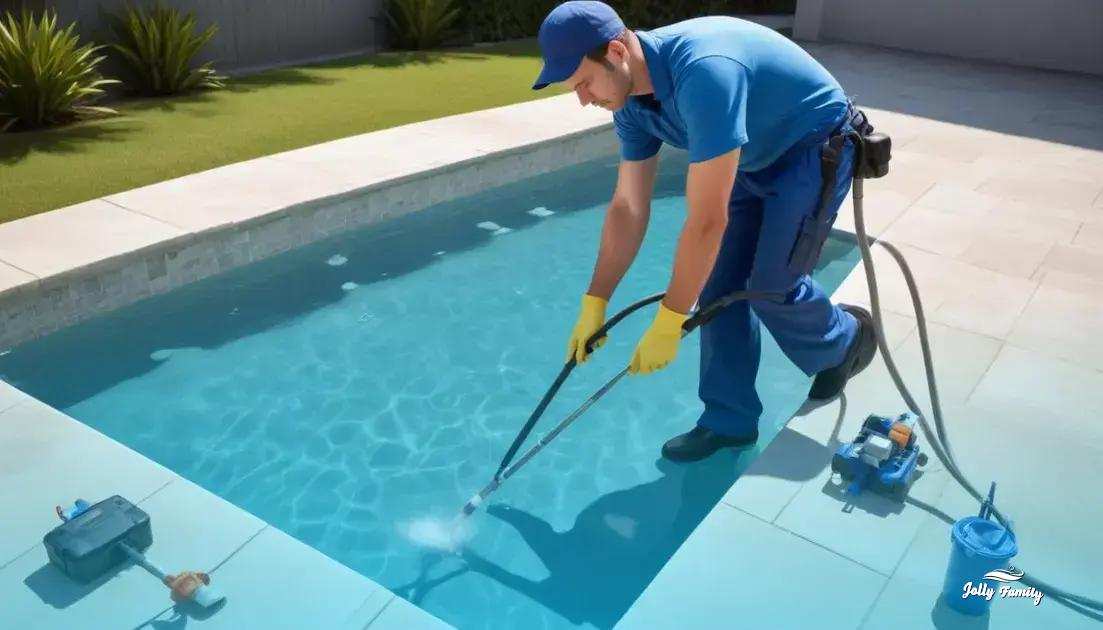

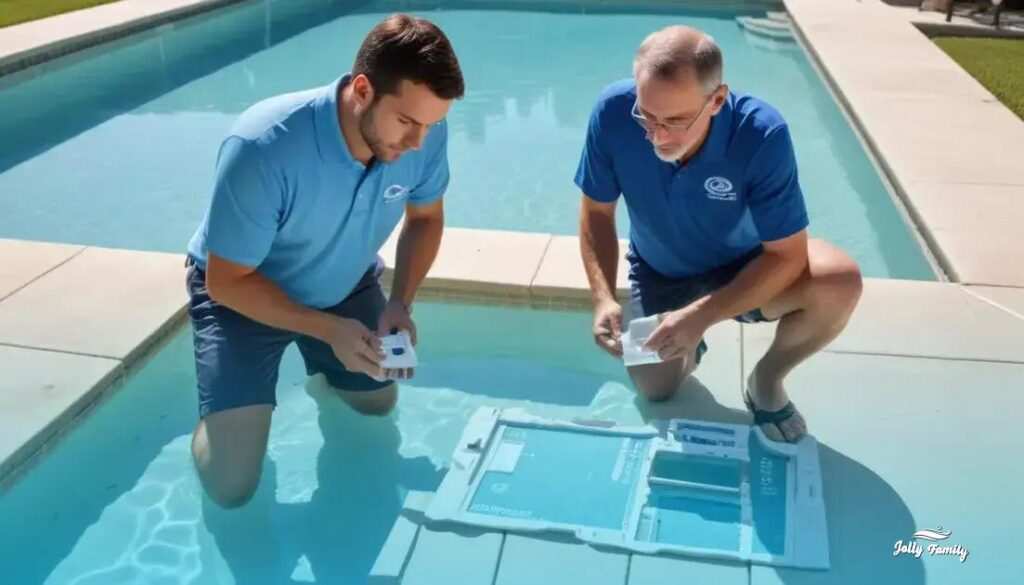
pool water testing service Kissimmee provides calibrated lab-grade analysis and on-site equipment checks to ensure pH, free and combined chlorine, alkalinity, calcium hardness, cyanuric acid, metals and salt levels meet local standards, with documented results, targeted corrections, and recommendations to prevent algae, staining, equipment damage and unsafe swimming conditions.
pool water testing service Kissimmee can save you time and unexpected repairs — especially with Florida’s heat and storms. Curious which checks you can do yourself and when to call Jolly Family for reliable service? This guide gives clear, practical steps to keep your pool safe and swim-ready.
how pool testing works: what technicians measure and why it matters
Technicians test specific readings to diagnose pool health and guide precise fixes. Each measure reveals a different risk to safety, equipment, or water clarity.
pH: acidity and swimmer comfort
pH shows how acidic or basic the water is. The ideal range is about 7.2–7.6. Low pH can cause eye and skin irritation and corrode metal; high pH weakens chlorine and makes water cloudy. Technicians correct pH with acid or alkali in measured doses.
free and combined chlorine: sanitizing strength
Free chlorine is the active sanitizer that kills germs. Combined chlorine (chloramines) forms when chlorine bonds with contaminants and reduces effectiveness. Pros measure both and aim to keep free chlorine in the safe range while treating high combined chlorine by shocking the pool.
total alkalinity: pH buffer
Total alkalinity acts as a buffer that keeps pH stable. Recommended values are usually 80–120 ppm. Low alkalinity causes pH to swing; high alkalinity makes pH hard to change. Technicians raise or lower alkalinity before fine-tuning pH.
calcium hardness: protect surfaces and equipment
Calcium hardness indicates dissolved calcium levels. Too low can etch plaster and metal; too high leads to scale and cloudy water. Techs measure hardness to prevent surface damage and to choose scale control or water dilution steps.
cyanuric acid (stabilizer) and sunlight
Cyanuric acid protects chlorine from UV breakdown in outdoor pools. Low cyanuric means chlorine fades quickly; excessive amounts reduce disinfection power. Technicians test stabilizer levels and advise refill or partial drain when needed.
salt systems, metals and TDS
For salt-chlorine systems, techs check salt level and generator output to keep chlorine production steady. They also test for metals like iron and copper to prevent stains, and total dissolved solids (TDS) to spot chemical buildup that reduces treatment effectiveness.
temperature, flow and equipment checks
Water temperature affects chemical activity and comfort. Technicians also verify pump flow, filter condition, and meter calibration to ensure tests are accurate and fixes work as intended.
what test results mean in practice
Clear readings let technicians choose targeted actions: add sanitizer, adjust pH or alkalinity, treat metals, shock the pool, or recommend filter and water changes. Regular testing captures trends and prevents small issues from becoming costly repairs.
common Kissimmee pool issues and simple signs to watch for
Warm weather, heavy rain and frequent swim use make Kissimmee pools prone to a few predictable problems. Learn the simple signs to watch for so you can act fast and avoid bigger repairs.
algae growth: see and feel it
Algae shows as green, black or slimy patches on walls and floor. Green water or slippery surfaces after a warm spell usually mean algae. Quick checks: run a brush along tiles, scoop a sample into a clear container, and smell for a musty odor. If brushing stirs color back into the water, treat and shock the pool.
cloudy water: common causes
Cloudy water can come from poor filtration, high pH, or too many particles. Signs include reduced visibility, dull surface shine, and longer time for debris to settle. Check the filter pressure gauge, backwash or clean the filter, and test chlorine and pH. Running the pump longer and adding a clarifier can clear minor cloudiness.
stains and metal discoloration
Brown, reddish or blue-green stains often come from iron, copper or organic tannins. Stains at the waterline or on plaster need a metal test and metal sequestering products. Protect finishes by testing water before adding metal-based chemicals and by addressing low pH that can worsen staining.
circulation and equipment warning signs
Noisy pumps, sagging pressure, or low skimmer flow point to circulation issues. Look for unusually high or low pressure on the filter gauge, air in the pump basket, and clogged skimmer baskets. Simple fixes include cleaning baskets, checking pump lids and running a pump prime. Persistent problems may signal worn seals or a failing pump.
high chemical demand and sanitizer issues
If chlorine drops quickly after treatment or you notice eye irritation and strong chlorine smell, you may have a high chemical demand or combined chlorine buildup. Test for free and combined chlorine; shock the pool when combined chlorine is high and maintain free chlorine in the recommended range for your pool type.
leaks and unexplained water loss
Frequent need to refill, wet spots near equipment, or sudden water level drops suggest a leak. Do a bucket test to compare evaporation rates, inspect visible equipment fittings and check for drips. Small fixes like tightening fittings help, but plumbing leaks often require a technician.
simple monitoring checklist for owners
Keep a quick habit: test chlorine and pH weekly, glance at filter pressure daily when in use, brush tiles after heavy use, and note any color or smell changes. Early detection of cloudy water, algae, stains, low flow or leaks saves time and money.
chemical balance basics: easy weekly checks anyone can do
Weekly chemical checks are quick and prevent big problems. Spend 10 minutes with a test strip or digital kit and a notebook to track results.
what to test each week
- pH: ideal 7.2–7.6. Too low irritates eyes and corrodes metal; too high makes chlorine less effective.
- free chlorine: aim for 1–3 ppm for most residential pools. Low levels let bacteria grow; high levels irritate skin.
- total alkalinity: target 80–120 ppm to keep pH stable.
- cyanuric acid (stabilizer): 30–50 ppm for outdoor pools to protect chlorine from sun.
- calcium hardness: check monthly but note if plaster or scaling appears; typical range 200–400 ppm.
how to take a good sample
Collect water from about elbow depth, away from returns. Test in the shade and follow the kit steps. If using strips, dip and hold the strip level; if using a photometer, follow the device prompts. Record each result with date and time so you can see trends.
easy adjustments anyone can do
Raise or lower one thing at a time and wait a few hours before retesting. For low pH, add a pH increaser; for high pH, add a pH decreaser. If free chlorine is low, add chlorine or a shock product; if combined chlorine is high, perform a shock treatment. Adjust alkalinity first if pH won’t hold steady. For high cyanuric acid, plan a partial drain; for low, add stabilizer per product directions.
timing and special situations
Test weekly and after heavy rain, many swimmers, or hot spells. Test in the morning or after the pump has run an hour for consistent readings. After adding chemicals, wait the recommended time before swimming and retesting.
simple safety and record tips
- Always follow label instructions and wear gloves when handling chemicals.
- Add chemicals to water, not water to chemicals.
- Keep a small log: date, time, pH, free chlorine, alkalinity and any actions taken.
- If numbers stay out of range after corrections, call a technician to avoid damage.
professional testing vs diy kits: when Jolly Family should step in
DIY test kits are great for quick weekly checks, but they can miss details that lead to bigger problems. Professional testing uses calibrated instruments and full chemical analysis to find hidden issues and guide correct treatments.
when a diy kit is enough
- Routine checks: weekly pH and free chlorine within target ranges.
- Minor cloudiness: short filter runs and a clarifier often fix it.
- Small, one-off adjustments: raising chlorine after heavy use or lowering pH by a small amount.
signs you should call jolly family
- Persistent imbalances: numbers bounce back after you correct them.
- Large algae blooms or black algae: DIY shocks may not remove roots or deep stains.
- Unexplained stains or metal discoloration: metals testing and sequestrants require professional diagnosis.
- Salt system or generator faults: inconsistent chlorine production or corroded cells need tech calibration or replacement.
- Recurring cloudy water or filter pressure issues: could be equipment failure or hidden contamination.
- Possible leaks or sudden water loss: specialist tools find underground or plumbing leaks safely.
what a professional test includes
Technicians run a full panel: pH, free and combined chlorine, total alkalinity, calcium hardness, cyanuric acid, metals and total dissolved solids. They often use a photometer or titration kit for accurate results, and they record readings to spot trends. Hands-on checks include pump flow, filter condition, salt cell output, and heater or automation system status.
how professionals turn results into solutions
After testing, techs recommend targeted actions like precise dosing, shock schedules, metal sequestration, or partial drains. They may perform deep cleaning, filter maintenance, or adjust equipment settings. Clear instructions and a follow-up plan help keep the pool stable.
what to expect from a jolly family visit
- Accurate test results and a written report of readings.
- Immediate corrective service when safe (shocking, adding sequestrant, backwashing).
- Equipment checks with notes on repairs or replacements if needed.
- Practical homeowner tips and a recommended maintenance schedule.
how to prepare before calling
Have recent DIY test results and note any visible signs: color, smell, stains, or low flow. Clear the deck area for access to equipment and run the pump for an hour before the visit if possible. Quick prep saves time and helps the technician diagnose faster.
creating a routine testing plan: frequency, documentation and peace of mind
Set a simple testing plan to save time and avoid surprises. A steady routine keeps water balanced and equipment healthy.
how often to test
- Daily: quick visual check for color, debris, and pump running.
- Weekly: pH, free chlorine, total alkalinity and a record in your log.
- Monthly: calcium hardness, cyanuric acid and a fuller equipment inspection.
- After events: test after heavy rain, pool parties, or long heat spells.
what to record each time
Keep a short entry with date and time plus clear numbers. A good log has:
- pH (7.2–7.6)
- free chlorine (ppm)
- combined chlorine (ppm) if available
- total alkalinity (ppm)
- calcium hardness and cyanuric acid when tested
- water temperature and filter pressure
- any chemicals added and the amounts
easy tracking methods
Use what you will keep up. A waterproof notebook, a spreadsheet, or a simple phone calendar reminder works well. Consistent entries show trends and speed diagnosis.
sample weekly routine
- Run the pump an hour before testing.
- Collect water from elbow depth away from returns.
- Test pH and free chlorine; log values.
- Adjust one parameter at a time and wait before retesting.
tips for staying consistent
- Test at the same time of day for comparable readings.
- Label bottles and keep reagents in a cool, dry place.
- Photograph odd results or stains to share with a technician.
- Set phone reminders for weekly and monthly checks.
when to call a professional
If numbers stay out of range after corrections, you see heavy algae, unexplained stains, repeated cloudy water, or equipment faults, call a technician. Professional visits bring accurate tests, targeted fixes and peace of mind.
Keep your pool safe and worry-free
If you want clear, safe water, a pool water testing service Kissimmee helps you catch problems early and avoid costly repairs. Regular checks spot issues like low sanitizer, algae, stains, and equipment faults before they get worse.
Do simple weekly tests, log the results, and follow small fixes when you can. If numbers stay off, water looks cloudy, or you find stains or leaks, call a professional for a full test and targeted service.
Small habits save time and money. Test, record, and get help when needed to keep your pool clean, safe, and ready for swimming.
FAQ – pool water testing service Kissimmee
How often should I have professional pool water testing?
For typical residential pools, schedule a professional test quarterly or when you see persistent problems, after heavy storms, or before big events.
What does a professional test include?
A full panel checks pH, free and combined chlorine, total alkalinity, calcium hardness, cyanuric acid, metals and TDS, plus equipment flow and calibration.
How long does a professional test and service visit take?
Most visits take 30–60 minutes depending on pool size and issues found. Complex problems or repairs may require extra time or a return visit.
Can I use DIY kits instead of a professional service?
DIY kits work for weekly checks, but call a pro if numbers bounce back, you have stains, heavy algae, or equipment faults that DIY can’t fix.
How should I prepare for a technician visit?
Run the pump for an hour, clear the equipment area, and bring any recent DIY test results or photos of water color, stains, or leaks.
How soon can I swim after chemicals are added by a technician?
Wait the time on the chemical label—often a few hours after dosing. Technicians will confirm safe chlorine and pH levels before advising return to swimming.