
Pool water is unsafe for kids if it has strong odors, is cloudy, or shows signs of algae, which indicate chemical imbalances that can cause health issues, making regular testing and maintenance essential for safety.
Pool water unsafe for kids can pose serious health risks that every parent should be aware of. With summer around the corner, ensuring your family’s swimming environment is safe is crucial. Have you considered what might be lurking beneath the surface of your pool?
Identifying harmful chemicals in pool water
Identifying harmful chemicals in your pool water is essential for maintaining a safe swimming environment for children. Pool water can be contaminated with various substances that are not only unpleasant but can also pose serious health risks. Here are some of the key harmful chemicals to watch for:
Chloramines
Chloramines are formed when chlorine in the pool reacts with sweat, urine, and other organic substances. They can cause eye irritation, respiratory problems, and a distinct unpleasant odor. Regularly testing and balancing your pool’s chlorine levels can help minimize the formation of chloramines.
pH Imbalance
Keeping the pH level between 7.2 and 7.8 is crucial. When the pH is too low, the water becomes acidic, which can lead to skin irritation and corrosion of pool surfaces. Conversely, a high pH can reduce chlorine effectiveness, allowing harmful bacteria to thrive.
Combined Chlorine
Similar to chloramines, combined chlorine is a product of chlorine reacting with contaminants. High levels of combined chlorine indicate poor water quality and can lead to skin and eye irritation. Maintaining proper chlorine levels helps keep combined chlorine at bay.
Heavy Metals
Heavy metals such as copper and iron can enter pool water from corrosion of pool equipment or from high metal content in fill water. These metals can cause staining and make the water unsafe for children. Regularly test for metal contaminants and use appropriate chelating agents to bind and remove them.
Pathogenic Microorganisms
Pathogens like bacteria, viruses, and parasites can thrive in improperly maintained pool water. Regular testing for harmful microorganisms and maintaining appropriate levels of chlorine and pH are vital in preventing pool-related illnesses.
Regular testing and proactive management are key to ensuring that your pool water remains clean and safe. For families with kids, understanding how to identify harmful chemicals in pool water can make a significant difference in their health and enjoyment.
Understanding the risks of contaminated swim water
Understanding the risks associated with contaminated swim water is crucial for ensuring a safe swimming experience for children. Contaminated water can carry various pathogens and chemicals that may harm their health. Here are some key points to consider:
Pathogen Exposure
Swimming in contaminated water exposes children to harmful bacteria, viruses, and parasites. These pathogens can lead to illnesses such as diarrhea, skin infections, and respiratory issues. Regular testing of water quality helps identify and mitigate these risks.
Chemical Irritation
Additionally, exposure to high levels of pool chemicals, especially chlorine, can cause skin and eye irritation. Children with sensitive skin are particularly at risk. Properly balanced water chemistry is essential for minimizing these irritants.
Environmental Contaminants
Contaminants from the environment, such as dirt, leaves, and animal waste, can enter the pool and increase the risk of contamination. Ensuring regular maintenance, including skimming and cleaning, can help keep the pool safe and enjoyable.
Signs of Contaminated Water
It’s essential to recognize signs of contaminated water. If the pool smells strongly of chlorine or has a cloudy appearance, it may be indicative of water quality issues. Parents should monitor these conditions and avoid letting children swim until problems are resolved.
Prevention and Safety Measures
To reduce risks, encourage children to shower before entering the pool and to avoid swimming when feeling unwell. Teaching children to follow these guidelines can help maintain a healthier swimming environment.
Tips for ensuring safe pool water for children
Ensuring safe pool water for children involves several important steps that every pool owner should follow. Here are some effective tips to maintain clean and healthy swimming conditions:
Regular Water Testing
Testing your pool water regularly is crucial. You can use test kits to check for proper levels of chlorine, pH, and alkalinity. Aim to keep chlorine levels between 1-3 ppm and pH levels between 7.2-7.8. Regular testing helps prevent chemical imbalances that can lead to contamination.
Proper Filtration
Your pool’s filtration system plays a vital role in keeping the water clean. Ensure that your filter runs for at least 8-12 hours a day. Clean or replace filter cartridges as needed to maintain optimal performance.
Maintain Clean Surroundings
Keep the pool area free of debris such as leaves and trash, which can contaminate the water. Regularly skim the surface and brush the walls of the pool. Cleaning the pool deck also helps prevent dirt from entering the water.
Encourage Hygiene
Encourage children to shower before entering the pool to reduce the introduction of sweat, dirt, and bacteria. Make it a routine to remind them about the importance of personal hygiene when swimming.
Monitor Swim Time
Limit the amount of time children spend swimming, especially during hot weather. Overexposure can lead to fatigue or dehydration, which may compromise their safety in the pool. Ensure they take regular breaks and stay hydrated.
Signs of unsafe pool water to watch for
Recognizing the signs of unsafe pool water is essential for keeping children and families safe. Here are some critical indicators to watch for:
Unpleasant Odors
If your pool has a strong or unpleasant smell, it could indicate high levels of chloramines, which form when chlorine interacts with contaminants. This can cause eye irritation and respiratory issues, signaling that the water needs immediate attention.
Cloudy Water
When pool water appears cloudy, it is often a sign that it is not properly filtered or treated. Cloudy water can harbor bacteria and other pathogens, making it unsafe for swimming. Regular testing and maintenance can help clarify the water and keep it safe.
Algae Growth
Finding green, brown, or yellow algae in your pool is a clear sign of poor water quality. Algae thrives in poorly maintained pools and can create slippery surfaces. Immediate action is needed to prevent algae buildup, including shock treatment and regular cleaning.
Skin Irritation
If children experience skin rashes or irritations after swimming, it may indicate that the pool water is unsafe. High chemical levels, contaminants, or bacteria can cause such reactions. Monitoring the water’s chemical balance is essential for preventing skin issues.
High pH Levels
Maintaining the correct pH balance is crucial for safe swimming. If tests show that the pH is consistently above 7.8, the water may become alkaline, which can irritate eyes and skin and reduce the effectiveness of chlorine. Regular testing can help maintain a safe balance.
How Jolly Family keeps your pool safe for kids
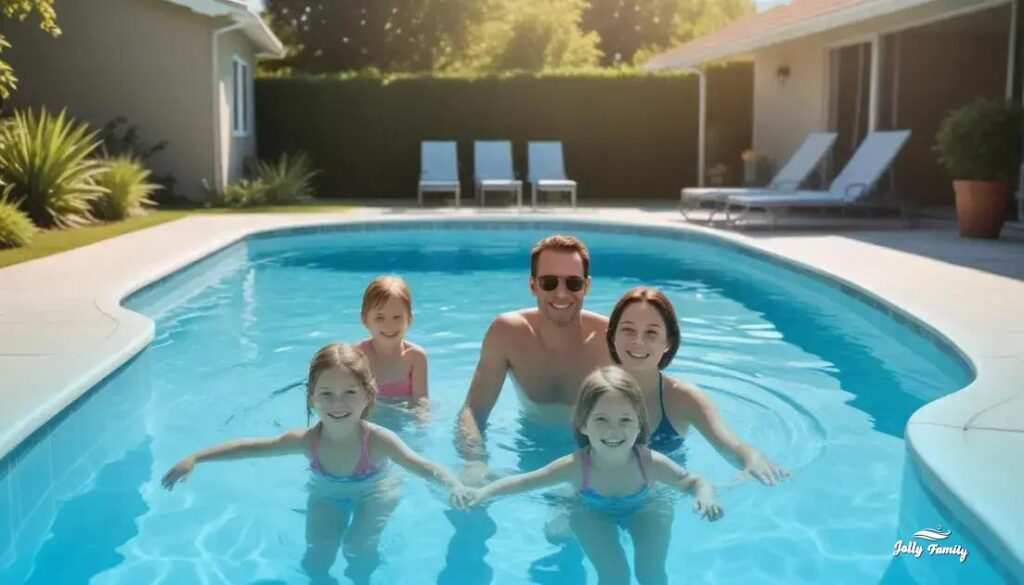
The Jolly Family takes pool safety seriously, ensuring a fun and secure environment for children. Here are some key practices they follow:
Regular Water Testing
The Jolly Family tests the pool water frequently to check for pH levels, chlorine content, and other vital measurements. Maintaining the right balance keeps the water safe and reduces the risk of irritation and infections.
Proper Filtration System
They invest in a high-quality filtration system that runs effectively to keep the water clean and clear. This system is serviced regularly to ensure that it operates optimally, preventing contaminants from lingering in the pool.
Daily Maintenance Routines
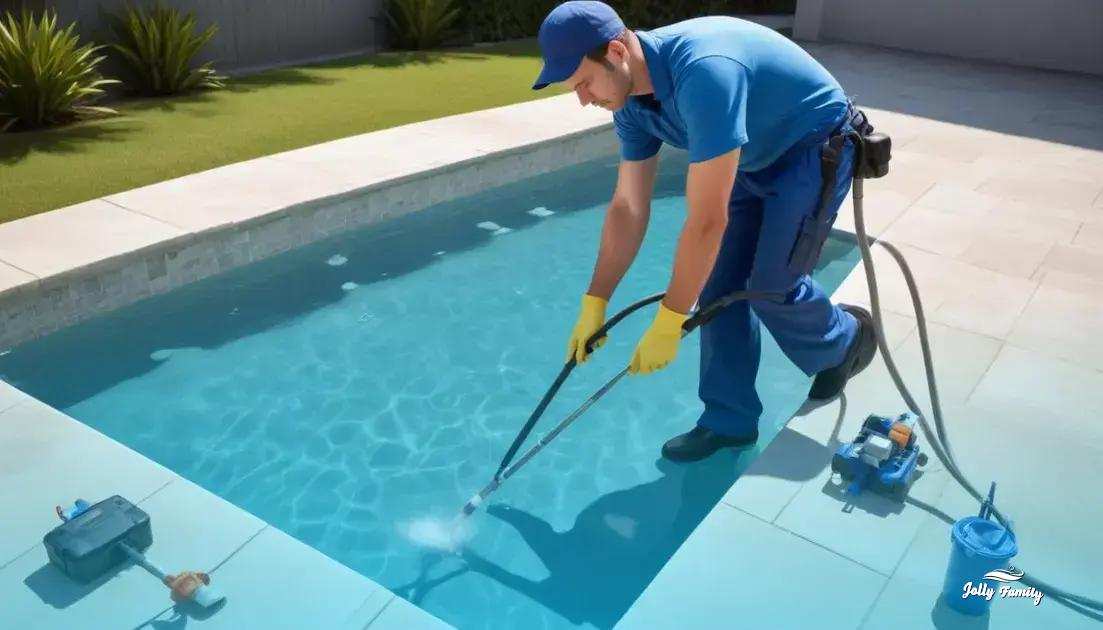
Every day, the Jolly Family commits to skimming the pool surface and brushing the walls. They keep the pool area tidy by removing leaves and debris to minimize contamination.
Supervised Swim Time
The family believes in supervising their children at all times while swimming. Adult supervision helps ensure that kids follow safety guidelines and minimizes the risk of accidents.
Education and Awareness
Teaching children about pool safety is essential. The Jolly Family regularly talks with their kids about the importance of hygiene, such as showering before swimming, and understanding pool rules to prevent accidents.
Keeping Kids Safe in the Pool
In conclusion, ensuring the safety of children in the pool involves several critical steps. Regular testing and maintenance of pool water quality are fundamental to a safe swimming environment. The Jolly Family shows us how commitment to cleanliness and supervision can make a big difference.
By staying informed about potential risks and following best practices, families can create a fun and secure space for their kids to enjoy swimming. Remember, a few simple actions can help keep your pool safe and enjoyable for everyone.
FAQ – Questions About Keeping Children Safe in Pools
What are the main signs of unsafe pool water?
Key signs of unsafe pool water include strong odors, cloudy water, signs of algae, skin irritation, and unbalanced pH levels.
How often should I test my pool water?
It’s recommended to test your pool water at least once a week, or more frequently during heavy use or after heavy rain.
What can I do to keep my pool clean and safe?
Regularly skim the surface, brush the walls, maintain proper chemical balances, and ensure the filtration system is working effectively.
What safety measures should I follow when children are swimming?
Always supervise children while they swim, ensure they shower beforehand, and teach them about pool rules and hygiene.
How can I tell if my pool has harmful chemicals?
Look for signs like strong chemical odors, irritation of skin or eyes, and fluctuations in water clarity, which indicate problems with chemical balance.
What maintenance steps can families take to ensure their pool is safe?
Families should perform daily skimming, regular water testing, maintain filtration systems, and educate children about pool safety practices.