
professional pool cleaning Kissimmee FL provides scheduled water testing, precise chemical balancing, filter cleaning and equipment inspection to prevent algae, stains, and mechanical failure, maintain swimmer-safe chlorine and pH levels, and cut long-term repair costs by adapting service frequency to Kissimmee’s heat, storms, and heavy pool use.
professional pool cleaning Kissimmee FL; can change how safe and inviting your pool feels. Curious what weekly care covers and how Jolly Family keeps pools clear and family-ready? I’ll walk you through the practical checks and simple habits that prevent costly surprises.
Why professional pool cleaning matters for Kissimmee homes
Professional pool cleaning matters in Kissimmee because hot weather and sudden storms speed up algae growth, clog filters, and upset chemical balance. Regular pro care keeps water safe, clear, and ready to use.
Health and safety benefits
Clean water reduces health risks. Technicians test for bacteria and adjust sanitizer and pH levels to help prevent skin, ear, and stomach illnesses, especially for children and guests.
What professionals do during service
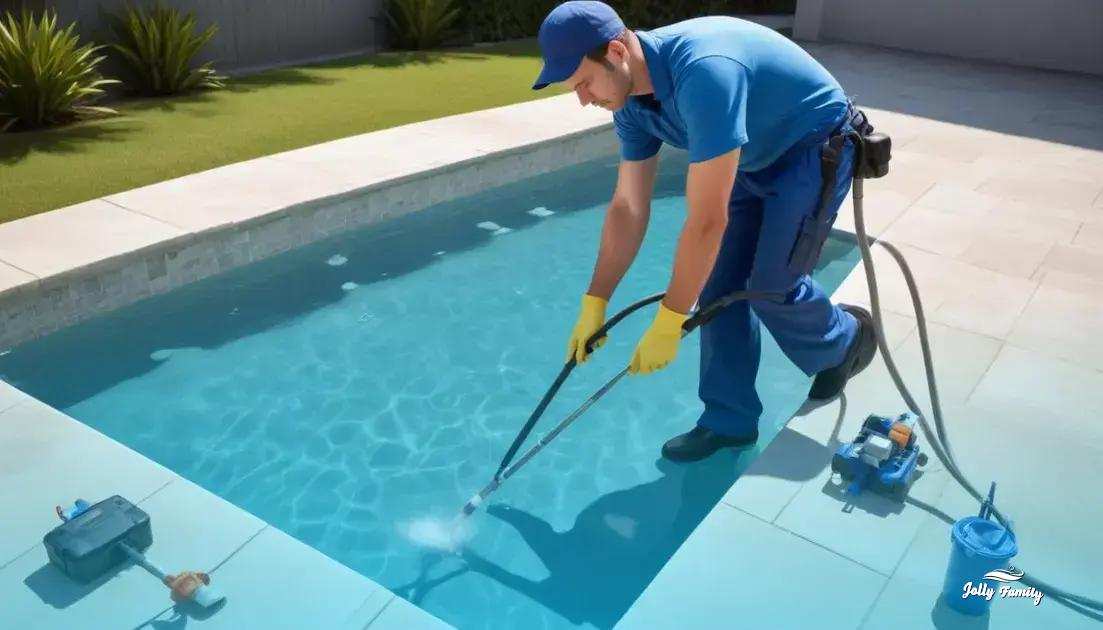
- Skim surface debris and remove leaves.
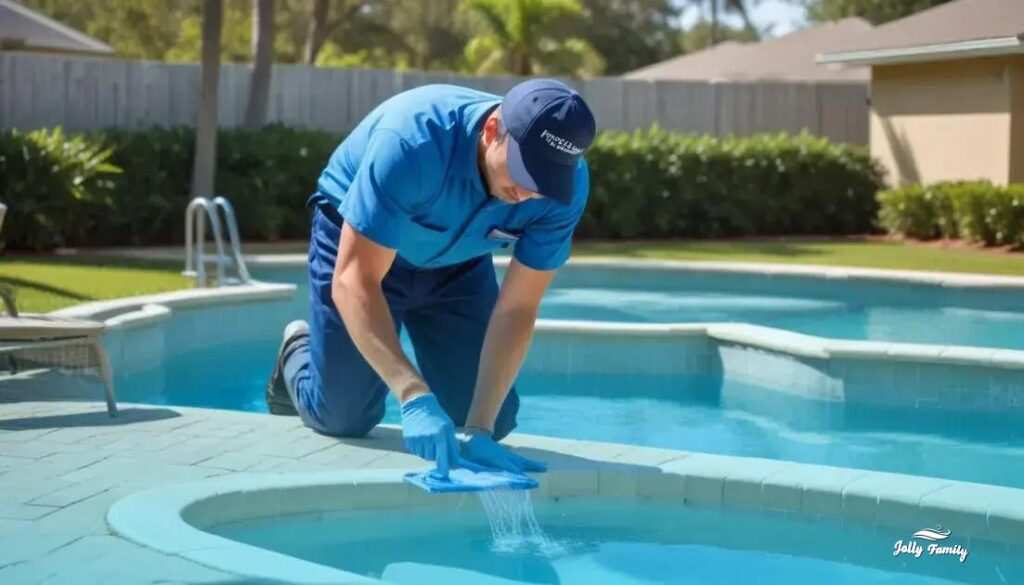
- Brush walls, steps, and tile to prevent algae and staining.
- Vacuum the pool and clean or backwash filters.
- Test and balance chemicals for proper chlorine and pH levels.
- Inspect pumps, heaters, filters, and automatic systems for wear or leaks.
Signs you need professional help
- Cloudy, green, or foul-smelling water that DIY fixes don’t clear.
- Stains on plaster or persistent algae spots after brushing.
- Higher-than-normal energy or chemical costs from faulty equipment.
- Unusual noises, frequent tripping breakers, or visible leaks.
Frequency and smart scheduling
In Kissimmee, weekly service is ideal during hot months, with biweekly checks in cooler periods. Consistent maintenance prevents costly repairs and keeps the pool usable all season.
Simple homeowner actions that help
- Skim daily and run the pump for recommended hours to improve circulation.
- Trim nearby plants to reduce debris and clogging.
- Record changes (smell, color, or equipment noise) and report them to your technician for faster fixes.
What Jolly Family checks during routine pool maintenance
- Skim the surface to remove leaves, bugs, and floating debris.
- Empty skimmer and pump baskets to keep flow steady.
- Brush walls, steps, and tile to prevent algae and scale buildup.
- Vacuum the pool and check vacuum lines for clogs.
- Test and balance water: measure chlorine, pH, total alkalinity, calcium hardness, and cyanuric acid.
- Clean or backwash filters; inspect cartridges and media.
- Inspect pump, motor, seals, and plumbing for leaks or unusual noises.
- Check heater, salt chlorinator cell, and automated controls for proper function.
- Examine pool lights, timers, and GFCI breakers for electrical safety.
- Verify water level and top up when needed for proper skimmer operation.
- Note stains, tile scaling, and persistent algae spots; recommend targeted treatments.
- Record readings, service actions, and any recommended repairs for the owner.
Key chemical tests and adjustments
Technicians use simple tests to keep water safe. They adjust chlorine to control microbes, set pH near neutral to protect skin and equipment, and manage alkalinity to stabilize pH. They also check calcium hardness to prevent scaling or etching and measure cyanuric acid in outdoor pools to protect chlorine from sun loss.
Equipment inspection details
Pros look for early signs of failure. They listen for noisy bearings, feel for hot pump housings, and watch pressure gauges for clogged filters. They inspect fittings and unions for leaks and confirm valves and timers move freely. A small fix now often avoids a big replacement later.
Actionable notes technicians provide
Technicians leave clear items you can act on: example service intervals, parts that need replacement, and simple homeowner steps like running the pump a set number of hours. These notes make follow-up fast and reduce surprises.
How chemical balance keeps water safe and clear
Keeping pool chemistry balanced is the fastest way to keep water safe, clear, and comfortable. Imbalanced water lets algae grow, irritates skin and eyes, and can damage equipment.
Key tests and target ranges
- Free chlorine: 1.0–3.0 ppm — kills bacteria and algae.
- pH: 7.2–7.6 — comfort for swimmers and protection for equipment.
- Total alkalinity: 80–120 ppm — stabilizes pH swings.
- Calcium hardness: 200–400 ppm — prevents corrosion or scale.
- Cyanuric acid (stabilizer): 30–50 ppm for outdoor pools — protects chlorine from sunlight.
Common problems and quick fixes
- Low chlorine → add sanitizer or perform a shock treatment per product directions.
- High pH → add a pH reducer (muriatic acid or sodium bisulfate) in small doses and retest.
- Low alkalinity → add alkalinity increaser (baking soda) slowly to avoid overshoot.
- Cloudy water → check filters, clean skimmers, and ensure proper sanitizer and circulation.
- Scale or etching signs → check calcium hardness and adjust cautiously.
How professionals keep balance steady
Technicians test water with reliable kits and log results each visit. They make measured adjustments, backwash or clean filters, and run circulation to mix chemicals. Consistent testing and small corrections prevent large swings that lead to costly repairs.
Simple homeowner steps that help
- Test water at least weekly and after heavy use or storms.
- Run the pump for recommended hours to improve circulation and filtration.
- Keep debris out with a cover or regular skimming to reduce chemical demand.
Safety reminders
- Store chemicals in a cool, dry place away from direct sun and children.
- Never mix different chemicals together; add chemicals to water, not water to chemicals.
- Wear gloves and eye protection when handling concentrated products and follow label instructions.
Common problems in Florida pools and quick fixes
Florida pools face a few recurrent issues due to heat, humidity, and organic debris. Quick, right-sized fixes often restore water quality without long downtime.
Algae blooms (green or black)
Algae grow fast in warm water and shaded spots. Shock the pool with a high chlorine dose, brush all surfaces thoroughly, and vacuum dead algae. Repeat shock and brushing until clear. Use an appropriate algaecide for persistent cases.
Cloudy water
- Check filtration: clean skimmer and pump baskets, backwash or clean the filter.
- Test sanitizer and pH; adjust chlorine and pH to target ranges.
- Run the pump longer and add a clarifier if particles remain suspended.
High cyanuric acid (stabilizer) levels
Too much stabilizer reduces chlorine effectiveness. The fastest fix is partial water replacement to dilute CYA. Test levels and plan dilution or professional water treatment.
Scale and staining
High calcium or pH swings cause scale or etching. Lower pH carefully and use a sequestrant for metal stains. For stubborn stains, a targeted stain remover or professional cleaning may be needed.
Pump, filter, and circulation problems
Clogged baskets, dirty filters, or air in the system reduce flow. Inspect and empty baskets, clean filters, and check pump lid o-rings. If pressure stays high or the pump hums, call a technician to inspect seals and bearings.
Chemical swings after storms or heavy use
- Retest water after rain, parties, or heavy debris load.
- Adjust chlorine and pH; perform a quick shock if chlorine demand spikes.
- Skim and clean filters often after storms to lower chemical demand.
When to call a pro: persistent green or black algae, hidden leaks, electrical issues, or if multiple quick fixes fail. A trained technician can diagnose root causes and prevent repeat problems.
How often to schedule service: weekly, biweekly or monthly
How often you schedule pool service depends on weather, how much you use the pool, and the pool’s system. Warm Kissimmee summers, heavy swim use, and nearby trees usually mean more frequent visits.
Recommended schedules
- Weekly: Best in hot months, after storms, or for pools with heavy use. Includes skimming, brushing, vacuuming, filter cleaning, and chemical balancing.
- Biweekly: Works for moderate use and well-filtered pools in mild weather. Technicians perform basic cleaning, test and adjust chemicals, and inspect equipment.
- Monthly: Only for low-use pools with good automation and attentive owners. Expect a full check of chemicals and equipment but consider adding spot checks after storms or events.
When to increase frequency
- Frequent swimmers or pool parties.
- Algae or cloudy water after hot spells or heavy rain.
- Visible debris from trees or pets.
- Older equipment or recent repairs that need monitoring.
What each visit should include
- Water testing and adjustment of chlorine, pH, and alkalinity.
- Skimming, brushing tile and steps, and vacuuming as needed.
- Filter checks and backwashing or cartridge cleaning.
- Equipment inspection: pump, heater, chlorinator, and valves.
- Notes and recommended follow-up actions for the owner.
Simple homeowner steps between visits
- Run the pump the recommended hours for your pool size and season.
- Skim daily and empty skimmer baskets to reduce load.
- Test basic levels weekly with a home kit and report big swings to your tech.
- Cover the pool during heavy winds or long periods of nonuse.
How pros tailor a plan
Technicians factor in local weather, your schedule, and past service logs. A flexible plan that adjusts seasonally keeps costs down and water healthy year-round.
Choosing a reliable local partner: what to expect from Jolly Family
- Transparent pricing: clear estimates, written service agreements, and no surprise fees.
- Licensed and insured: protection for your property and the crew.
- Certified technicians with regular training and local knowledge of Kissimmee conditions.
- Consistent checklist each visit: skimming, brushing, vacuuming, filter care, and water testing.
- Custom maintenance plans based on pool size, usage, and season.
- Fast response for alarms, leaks, or sudden water problems.
- Clear service reports with test readings, actions taken, and recommended follow-ups.
- Parts and workmanship warranties or satisfaction guarantees.
- Simple scheduling and easy payment options.
What a routine visit should include
Expect technicians to test and log water, remove debris, brush tiles, clean baskets, check filter pressure, and inspect pumps and heaters. Small repairs or notes should be reported the same day.
How they should communicate
A reliable partner gives a single point of contact, sends timely visit summaries, and answers questions about readings or repairs. Digital photos or a short report help homeowners see exactly what was done.
Questions to ask before hiring
- Can you show proof of license and insurance?
- Do you provide written estimates and a service agreement?
- What is included in each visit and what costs extra?
- Do you offer emergency or same-week repair service?
- Can you share local references or reviews?
Red flags to watch for
- No written contract or vague scope of work.
- Pressure to buy untested chemicals or unnecessary repairs.
- Cash-only demands with no receipt.
- Unclear follow-up or no service records kept.
How Jolly Family can stand out
Reliable timing, clear records, and honest recommendations build trust. A local company that adapts service frequency seasonally and keeps owners informed saves time and prevents costly problems.
Keep your Kissimmee pool safe and ready
Regular professional cleaning keeps water clear, reduces health risks, and protects equipment. Simple, steady care prevents big problems.
Weekly service is best in hot months or for busy pools. Biweekly or monthly visits can work for low use, but watch for algae or cloudy water.
Do your part: skim daily, run the pump, and test basic levels weekly. Share any odd smells, noises, or leaks with your technician right away.
Partner with a reliable local pro who provides clear reports, honest pricing, and fast responses. That teamwork keeps your pool clean, safe, and ready for fun.
FAQ – professional pool cleaning Kissimmee FL
How often should I schedule professional pool cleaning in Kissimmee?
Weekly service is best during hot months or heavy use. Biweekly works for moderate use; monthly only for low-use pools with good automation. Increase visits after storms or big gatherings.
What does a routine visit include?
A typical visit includes skimming, brushing, vacuuming, testing and balancing chemicals, cleaning or backwashing filters, inspecting pumps and heaters, and leaving a service report.
How much does professional pool cleaning cost?
Prices vary by pool size, frequency, condition, and needed repairs. Expect higher costs for one-time deep cleans or emergency calls. Ask for a written estimate and scope before hiring.
Can I do maintenance between professional visits?
Yes. Skim daily, run the pump the recommended hours, test basic levels weekly, and empty skimmer baskets. Report big swings or odd signs to your technician.
How do pros keep pool water safe and clear?
Technicians test sanitizer, pH, alkalinity, hardness, and stabilizer, then make measured adjustments. They also clean filters, improve circulation, and use shock or algaecide when needed.
When should I call a technician instead of trying to fix it myself?
Call a pro for persistent green or black algae, hidden leaks, electrical issues, noisy pumps, frequent breaker trips, or if DIY fixes don’t clear the problem.