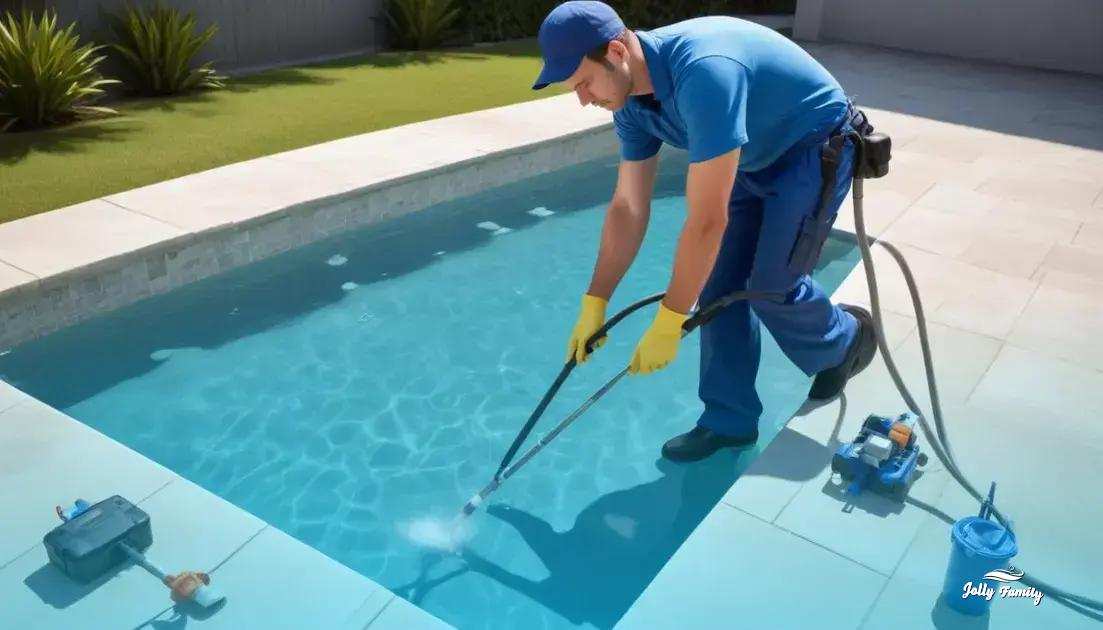

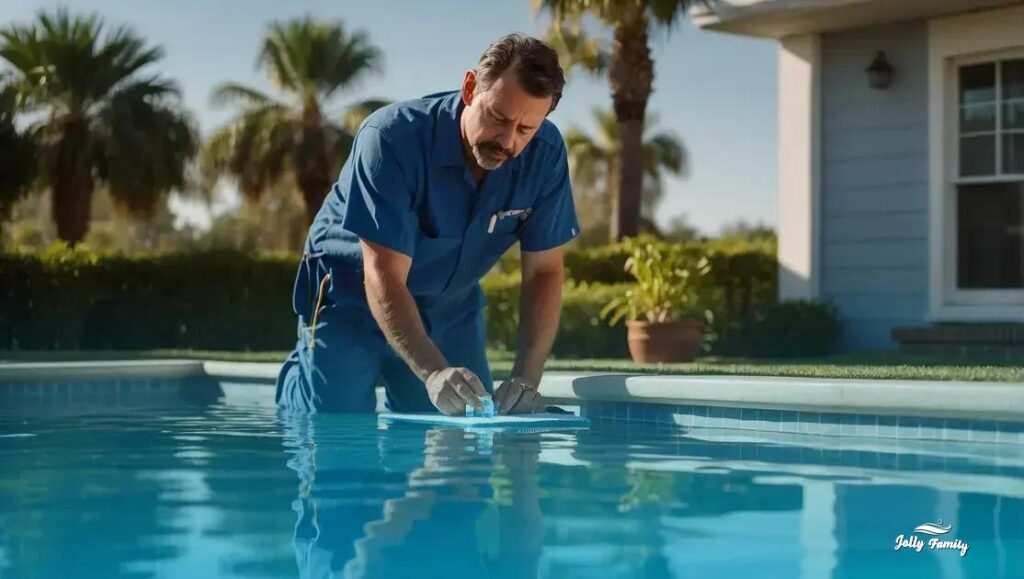
professional pool water testing service provides precise chemical and microbial analysis using calibrated meters and lab screens, delivers clear correction steps, prevents health risks, stains and equipment damage, and offers scheduled monitoring for homes and rentals to ensure safe, balanced water and reduce costly repairs.
professional pool water testing service; curious what those numbers mean for your family or rental? In Kissimmee, Jolly Family inspects chemical levels and algae risk, explains results in plain terms, and outlines simple next steps you can follow to keep the pool clear and safe.
Why professional testing matters for pool safety
Unbalanced pool water invites risks: cloudy water, slimy algae, eye and skin irritation, and bacterial growth that can make swimmers sick.
What professionals test
- pH — measures acidity; off pH causes irritation and reduces chlorine effectiveness.
- Free chlorine and combined chlorine — shows disinfectant level and whether contaminants are building up.
- Total alkalinity — buffers pH; low or high alkalinity makes pH swing unpredictably.
- Cyanuric acid (stabilizer) — protects chlorine from sun but too much weakens disinfection.
- Calcium hardness — prevents corrosion or scale that damage pool surfaces and equipment.
- Total dissolved solids (TDS) and metals — high levels affect clarity and can stain surfaces.
- Bacterial screening (when needed) — checks for harmful microbes not detected by chemistry alone.
How testing protects swimmers
- Accurate measurements catch small changes before they become health risks.
- Finding combined chlorine early prevents chloramine buildup that smells and irritates.
- Detecting metals or low calcium prevents stains and surface damage that hide hazards.
- Knowing exact numbers lets you choose targeted fixes, avoiding overuse of chemicals.
Signs you should schedule a professional test
- Cloudy or green water after a warm weekend.
- Persistent eye or skin irritation among swimmers.
- Strong chlorine odor that won’t clear.
- After heavy rain, a party, or when opening the pool for the season.
- If DIY tests show extreme or confusing results.
When a technician tests, they use calibrated tools and give clear, simple steps to restore balance so swimmers stay safe and the pool equipment lasts longer.
What a professional pool water test checks and why each parameter counts
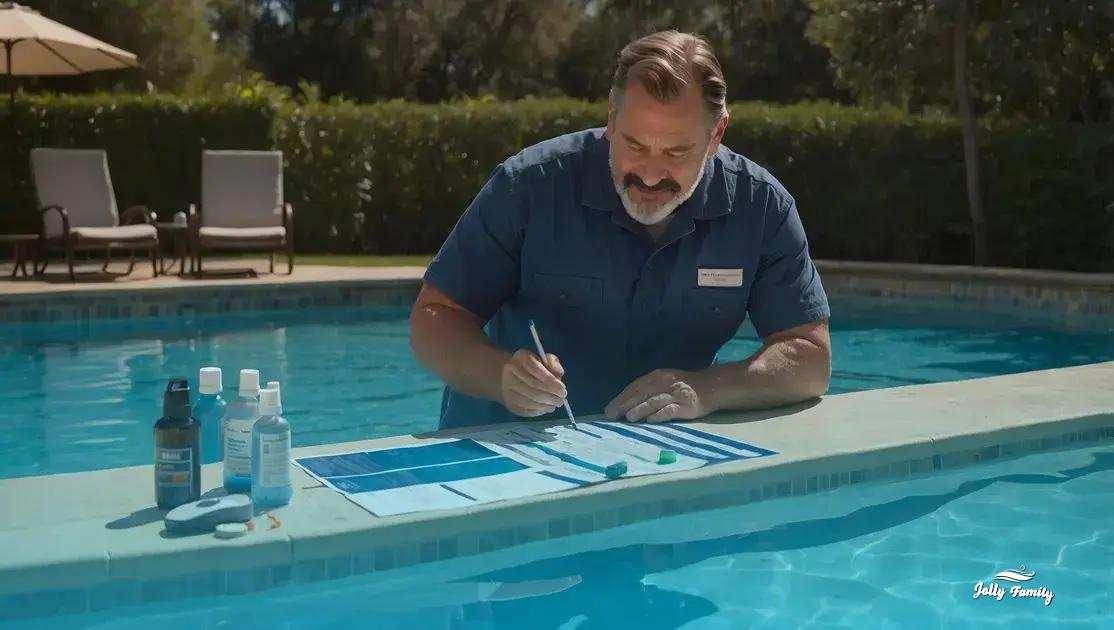
A professional pool water test checks specific numbers that show if your water is safe, clear, and kind to skin and equipment.
Key parameters tested
- pH — measures acidity. Ideal pH keeps chlorine working and prevents eye or skin irritation. Small pH shifts can change how chemicals behave.
- Free chlorine — the active disinfectant that kills germs. Technicians measure free chlorine to ensure there’s enough sanitizer to protect swimmers.
- Combined chlorine (chloramines) — forms when chlorine bonds with contaminants. High levels cause strong odors and irritation and signal the need for shock treatment.
- Total alkalinity — a buffer for pH. Proper alkalinity keeps pH stable and avoids sudden swings that make balancing hard.
- Cyanuric acid (stabilizer) — protects chlorine from sunlight. Too little lets chlorine break down fast; too much reduces its effectiveness.
- Calcium hardness — prevents corrosion or scale. Low calcium can etch surfaces and damage heaters; high calcium causes cloudy water and scaling.
- Metals and total dissolved solids (TDS) — metals like iron or copper can stain and TDS affects clarity. Professionals test these to prevent stains and cloudy water.
- Bacterial or microbial screening — done when needed after contamination or illness reports. Chemical results don’t always show microbes, so a lab screen can be required.
Why each number counts
Accurate readings let technicians give targeted fixes. For example, adjusting pH fixes irritation without raising chlorine unnecessarily. Finding combined chlorine early avoids long swim closures. Detecting metals saves surfaces from stains and costly repairs.
How pros test differently
Technicians use calibrated digital meters, titration kits, and lab samples for hard-to-measure items. Calibration and method matter: the right tools give repeatable numbers you can trust.
When to choose professional testing
Call a pro after heavy rain, algae blooms, unexplained odors, or when DIY strips give mixed or extreme results. A professional check is the fastest way to know exactly what the water needs.
How often to test: schedules for homes and short-term rentals in Kissimmee
In Kissimmee’s heat, testing frequency must match use and weather. For private pools, check pH and free chlorine 2–3 times a week during peak season and visually inspect daily for cloudiness or debris.
Recommended schedule for short-term rentals
- Before each guest arrival — quick check of pH and sanitizer to ensure safe swim conditions.
- Weekly professional test — a technician verifies alkalinity, cyanuric acid, calcium hardness, metals, and any lab screens needed.
- High‑turnover properties should consider daily automated monitoring or a technician visit every 2–3 days.
When to test immediately
- After heavy rain or a storm that can dilute or contaminate water.
- Following a pool party or many swimmers in a short time.
- If swimmers report eye or skin irritation or you notice strong chlorine odor.
- When DIY strips give confusing or extreme readings.
Practical tips to stay on schedule
- Keep a simple log with date, pH, free chlorine, and any actions taken; this helps pros spot patterns.
- Store test kits and chemicals shaded and dry so readings stay accurate.
- Set reminders on your phone or hire a pool service to handle testing around guest turnovers.
- When in doubt, call a professional — a single proper test can prevent bigger problems and save money later.
DIY test kits vs. professional pool water testing service: pros and trade-offs
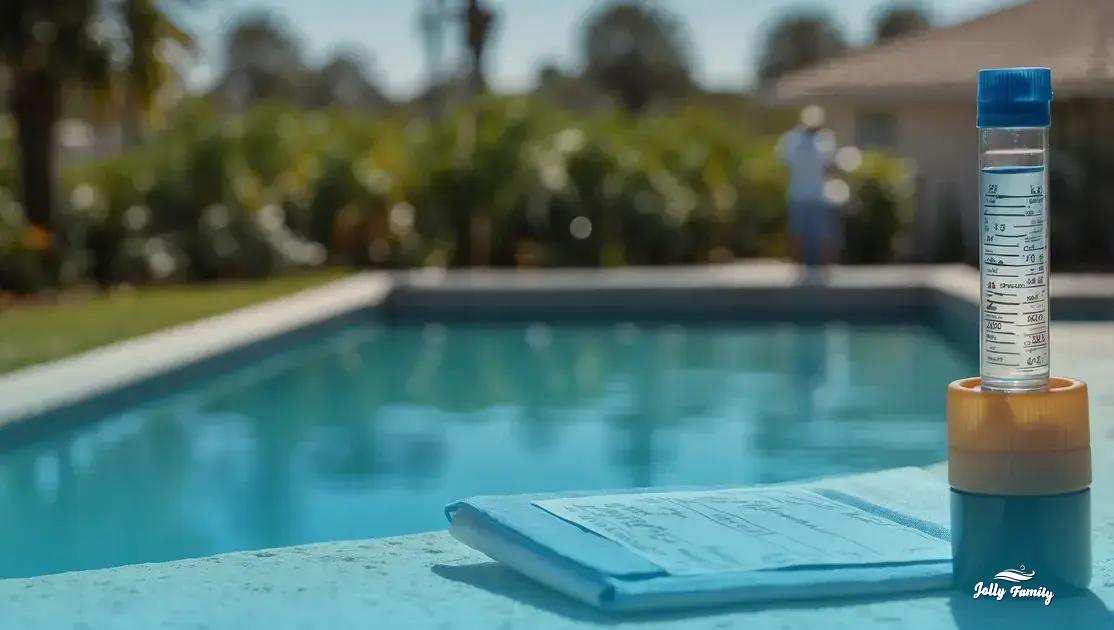
DIY test kits are handy for quick checks and small corrections. Many homeowners use color strips or drop kits to check pH and free chlorine in minutes. They cost little and are easy to buy at pool stores.
Pros of DIY kits
- Low cost and immediate results for daily or weekly checks.
- Good for spotting sudden changes before they get worse.
- Easy to use without special training.
Pros of professional testing
- Higher accuracy with calibrated meters, titration methods, and lab analysis for metals or microbes.
- Technicians diagnose root causes and recommend precise dosing.
- Safer for high‑use pools, rentals, or after contamination events.
Key trade-offs to consider
- Accuracy vs. cost: DIY is cheap but can miss small imbalances; pro testing costs more but avoids guesswork.
- Scope: pros test for cyanuric acid, metals, TDS, and bacteria that many DIY kits don’t measure.
- Time and convenience: DIY gives instant checks; professional service may require scheduling but delivers documented results.
How to combine both smartly
Use DIY kits for routine monitoring: check pH and free chlorine two to three times weekly in summer. Schedule professional tests monthly or seasonally, and always after heavy rain, a party, or if swimmers feel ill. This mix keeps costs low while protecting health and equipment.
Practical tips for reliable DIY results
- Follow package steps exactly and test at pool level, not from the surface.
- Store strips and reagents in a cool, dry place to avoid false readings.
- When results conflict or values are extreme, call a professional before adding large chemical doses.
How to read test results and act: simple steps to balance water
Begin by reading the exact numbers on your test: numbers tell you what to change and by how much. Aim for common target ranges: pH 7.2–7.8, free chlorine 1–3 ppm, total alkalinity 80–120 ppm, cyanuric acid 30–50 ppm (outdoor), and calcium hardness 200–400 ppm. Keep metals and TDS as low as possible.
Interpret common readings
- pH high (>7.8) — water feels slippery and chlorine is less effective. Lower pH with muriatic acid or sodium bisulfate in small doses, run the pump, and retest in 30–60 minutes.
- pH low (<7.2) — can cause eye irritation and corrosion. Raise pH with soda ash (sodium carbonate) in small increments, circulate, then retest.
- Low free chlorine — increases infection risk. Boost sanitizer with a routine dose or shock treatment until free chlorine is in range, then maintain with regular dosing.
- High combined chlorine (chloramines) — causes odor and irritation. Shock the pool to break chloramines and retest after full circulation.
- Low alkalinity — pH will swing. Add alkalinity increaser (bicarbonate) first, then balance pH.
- High calcium or hardness — leads to scaling and cloudy water. Use a sequestering agent or dilute water by partial drain and refill if needed.
- Metals or high TDS — can stain or cloud. Use a metal sequestrant and consider partial water replacement for very high TDS.
Simple step-by-step balancing
- Test — record pH, free chlorine, alkalinity, CYA, hardness, metals/TDS.
- Adjust total alkalinity first if outside range; it stabilizes pH.
- Correct pH next so chlorine works properly.
- Raise or lower free chlorine: use routine dosing for small boosts, shock for combined chlorine or contamination.
- Treat metals or hardness issues with appropriate products or partial water replacement.
- Run the pump and filter for at least one full turnover after each major change and then retest.
Timing, safety, and best practices
- Add chemicals one at a time and in small doses; never mix dry chemicals together.
- Always follow product labels and use protective gloves and eyewear when handling chemicals.
- Wait and retest: minor pH changes can show in 30–60 minutes; chlorine shock often needs 4–24 hours before levels normalize and swimming resumes.
- Keep a log of tests and actions so trends become clear to you or a technician.
When to call a professional
If algae returns after treatment, tests show persistent metal staining, TDS stays high after partial drain, or you suspect contamination, schedule professional testing and possible lab analysis. A technician can diagnose root causes and recommend safe, precise fixes.
Working with Jolly Family: reliable routines, on-time maintenance and preventive care
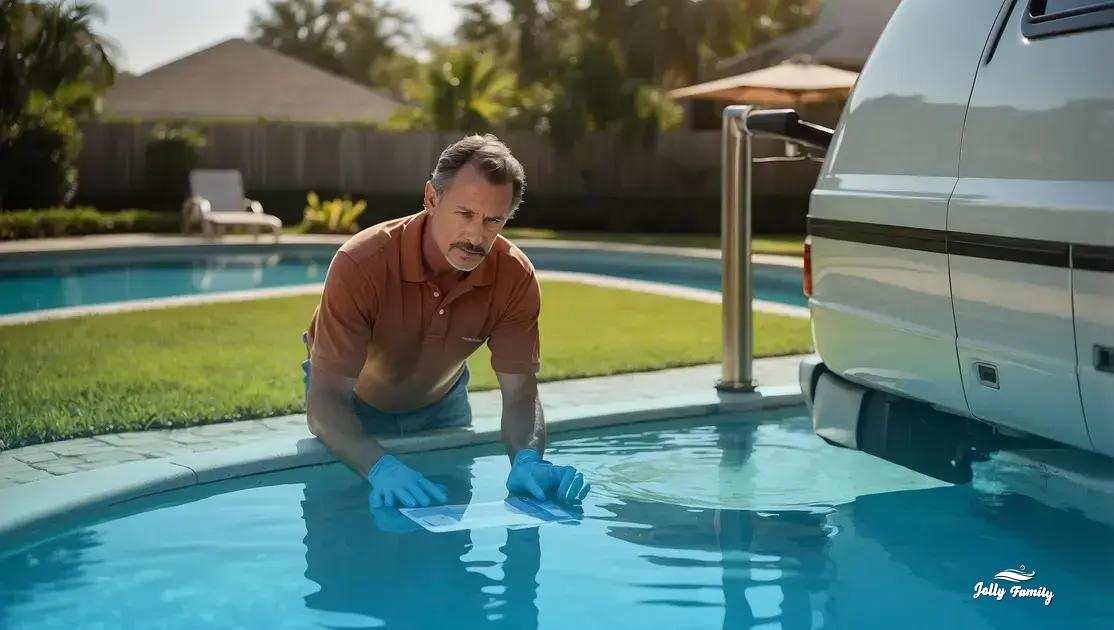
Jolly Family provides scheduled, reliable pool care that focuses on safety and prevention. Technicians arrive on time, run calibrated tests, and leave clear steps you can follow.
what to expect on the first visit
- Full water analysis with digital meters and a written baseline of pH, chlorine, alkalinity, CYA, hardness, and metals.
- Equipment inspection: pump, filter, heater, and visible plumbing for leaks or wear.
- Simple, written plan with recommended fixes, estimated costs, and a proposed maintenance schedule.
routine and preventive tasks included
- Regular testing of chemical levels and adjustments to keep water balanced.
- Filter cleaning, skimming, brushing, and vacuuming to prevent algae and debris buildup.
- Backwashing or cartridge maintenance and checking pressure gauges to protect equipment life.
- Seasonal tasks like start-up and winterize procedures, plus checks after storms or heavy use.
communication and reporting
- Technicians send a concise digital report after each visit with test numbers, photos of issues, and clear next steps.
- Automatic reminders for upcoming visits, and a simple log you can review to see trends over time.
- Transparent recommendations explain why a change is needed and what the expected outcome will be.
emergency response and follow-up
- Priority scheduling for health-related problems like persistent chloramine odors, algae blooms, or contamination.
- On-call guidance to help you decide if the pool is safe to use and when professional treatment is needed.
- Follow-up tests to confirm the issue is resolved before normal service resumes.
custom plans and pricing clarity
- Package options for homeowners, short-term rentals, and high-use pools—choose frequency and services you need.
- No hidden fees: estimates list labor, parts, and chemical costs so you know the price before work begins.
- Flexible add-ons like one-off deep cleans, equipment repairs, or guest-turnover checks are available when required.
Consistent, on-time maintenance reduces repairs and keeps pools safe and ready to enjoy; Jolly Family focuses on clear testing data, preventive care, and easy communication so you don’t have to guess what the water needs.
Final steps to keep your pool safe
Regular testing prevents common problems and keeps swimmers healthy. Small chemical imbalances can cause cloudy water, irritation, or stains if left unchecked.
Keep a simple log, test pH and free chlorine 2–3 times a week in summer, and book a professional test monthly or after heavy use, storms, or parties. Make one change at a time, run the pump, then retest.
If you notice persistent odors, skin or eye irritation, or unexplained cloudiness, contact a professional pool water testing service for accurate results and clear next steps. One proper test often saves time, money, and worry.
FAQ – common questions about professional pool water testing service
How often should I test my pool water?
Test pH and free chlorine 2–3 times per week in hot months. Schedule a professional test monthly or after heavy rain, a big party, or guest turnover.
Are DIY test strips enough to keep the pool safe?
DIY strips are good for quick checks and spotting sudden changes, but they can be inaccurate for detailed issues. Use strips for routine checks and call a pro when results are unclear or extreme.
What do pH and chlorine numbers really mean?
pH shows acidity and affects comfort and chlorine action. Free chlorine is the active sanitizer that kills germs. Aim for pH 7.2–7.8 and free chlorine 1–3 ppm for safe swimming.
When should I immediately contact a professional?
Contact a pro after persistent eye or skin irritation, algae blooms, strong chlorine odor, visible staining, or after storms and suspected contamination.
How long after shocking the pool is it safe to swim?
It depends on the product and shock level. Typically wait until free chlorine returns to the safe range (often 4–24 hours). Always follow product labels and retest before swimming.
Is professional testing worth the cost?
Yes – accurate testing prevents health risks, stains, and costly equipment damage. Many services offer clear packages and estimates so you pay only for what you need.