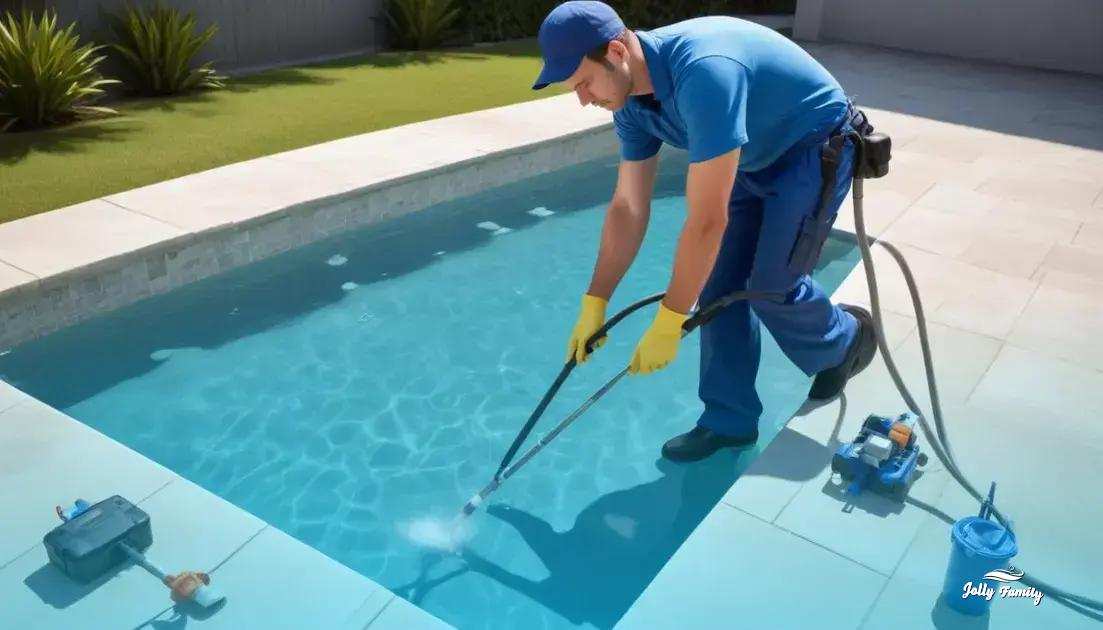

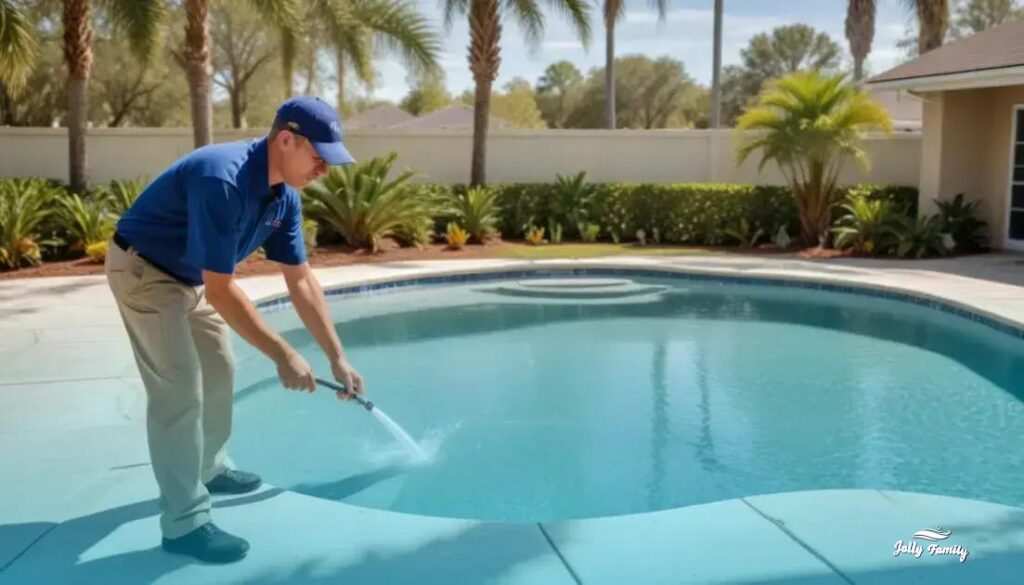
residential pool service Kissimmee Florida delivers weekly maintenance, accurate chemical balancing, equipment inspections, and fast repairs tailored to local climate and water conditions, ensuring safe, clear pools, reduced long-term costs, and documented service with emergency response and seasonal storm prep from licensed, insured local technicians.
residential pool service Kissimmee Florida helps families keep pools inviting and safe without guesswork. Curious how routine care, simple tests, and a local team like Jolly Family prevent headaches? Read on for practical tips you can use this week.
why local expertise matters for Kissimmee pools
Local knowledge makes a real difference for pools in Kissimmee. Hot summers, sudden storms, and local water chemistry change how you balance and care for a pool.
local climate and water conditions
Kissimmee has long, hot days and quick downpours. That boosts algae growth and can dilute chemicals fast. Techs familiar with local patterns know when to test more often and which algaecides work best here.
Common local issues include high stabilizer from sun exposure, rapid pH swings after rain, and scale from hard groundwater. Routine checks catch these before they cause stains or cloudy water.
permits, codes, and safety rules
Local contractors understand city rules about fencing, covers, and electrical work. Using a team that knows Kissimmee regulations prevents delays and extra costs when you replace pumps or install heaters.
faster response and seasonal planning
Being nearby means quicker callbacks for cloudy water, pump failures, or skimmer clogs. Before storm season, a local pro can help with a simple hurricane prep plan: lower water level, secure equipment, and protect filters.
practical tips to hire the right local pro
- Ask about Kissimmee experience and specific problems they’ve solved here.
- Request a routine checklist and sample test results they provide after each visit.
- Confirm licenses, insurance, and local references.
- Pick a company that offers clear emergency procedures and seasonal services.
Small choices—like a weekly test schedule or the right shock after heavy rain—cut costs and keep water safe. Local expertise turns those choices into reliable results.
weekly maintenance checklist every homeowner should follow
- Skim the surface and remove leaves or debris with a net. Do this every week to prevent clogging.
- Empty skimmer and pump baskets. Turn off the pump before opening baskets to stay safe.
- Brush pool walls and steps to loosen algae and dirt, then vacuum the bottom.
key water tests
Use a reliable test kit or strips weekly. Check pH, free chlorine, and total alkalinity. Aim for pH 7.2–7.6, free chlorine 1–3 ppm, and alkalinity 80–120 ppm. Test cyanuric acid (stabilizer) monthly.
- If pH is low, add a pH increaser; if high, add pH reducer. Follow product instructions.
- Shock the pool if chlorine is low after heavy use or rain; use the right dose for your pool size.
equipment checks
Look at the pump, filter, heater, and visible plumbing for leaks, odd noises, or reduced flow. Check the filter pressure gauge each week; backwash or clean the filter when pressure is about 8–10 psi above the normal reading.
- Ensure the pump lid and seals are tight.
- Clean or replace cartridge filters per manufacturer guidance.
- Test automatic timers and pool lights quickly during your check.
Keep a simple log of test results and actions taken. Note date, pH, chlorine, alkalinity, and any repairs. This helps spot trends and saves money on chemicals and service visits.
chemical balance explained: safe levels and simple tests
Keeping the chemical balance right keeps water clear, swimmers safe, and equipment lasting longer. Test often and treat quickly to avoid stains, cloudy water, or skin irritation.
key chemicals and safe ranges
- pH: 7.2–7.6 — controls comfort and sanitizer efficiency.
- Free chlorine: 1.0–3.0 ppm — the active sanitizer that kills germs.
- Total alkalinity: 80–120 ppm — buffers pH to prevent quick swings.
- Calcium hardness: 200–400 ppm — prevents corrosion or scale.
- Cyanuric acid (stabilizer): 30–50 ppm (outdoor pools) — protects chlorine from sunlight.
- Combined chlorine: keep under 0.5 ppm — indicates organic load; shock if higher.
simple tests anyone can do
Use test strips for quick checks or a liquid test kit for more accurate results. Always collect water from elbow-depth away from returns. For best readings, test weekly, after heavy bather use, and after storms.
- Test strips: dip, remove, wait the listed time, then compare colors to the chart.
- Liquid kits: add drops to vials and count drops or match colors for precise ppm values.
- Digital meters: offer fast pH and ORP readings but still verify chlorine with strips or kit.
free vs combined chlorine
Free chlorine is available to sanitize. Combined chlorine forms when free chlorine binds contaminants and smells bad. If combined chlorine rises above 0.5 ppm, shock the pool to restore free chlorine.
quick fixes and safe dosing tips
- Low pH: add a pH increaser (sodium carbonate) slowly and retest after circulation.
- High pH: use a pH reducer (muriatic acid or sodium bisulfate) carefully, following the label.
- Low alkalinity: add sodium bicarbonate; raise in small doses and retest.
- Low calcium hardness: add calcium chloride if water is corrosive; avoid very high levels to prevent scaling.
- Low stabilizer: add cyanuric acid in measured amounts; do not overdose.
- Shock: use chlorine shock after heavy use or when combined chlorine is high. Follow pool volume dosing instructions.
Wear gloves, add chemicals to water (never water to chemicals), and wait recommended circulation times before swimming. Keep a simple log of test results, dates, and treatments to spot trends and reduce chemical waste.
common repairs and when Jolly Family should be called
Many residential pools need routine repairs like pump failure, clogged filters, leaks, heater issues, broken tile, or a stuck automatic cleaner. Catching problems early saves time and money.
quick signs to watch for
- Low flow or weak returns — pump running but little water movement.
- Unusual noises from the pump or motor.
- Pressure gauge constantly high or rising quickly.
- Cloudy water that won’t clear after normal treatment.
- Wet spots or pooling around the equipment pad.
- Steady drop in water level that isn’t evaporation.
do this before you call
- Turn off electrical power to the pump if you see leaks or sparks.
- Empty skimmer and pump baskets and note any debris or damage.
- Check the filter pressure and write down the reading.
- Take photos or short videos of the issue and exact locations.
- Test the water and note pH, chlorine, and alkalinity values.
when to call Jolly Family
- Visible plumbing leaks or major water loss — call immediately.
- Pump or motor that hums, seizes, or emits smoke.
- Electrical issues like tripped breakers that return quickly or sparking.
- Heater not igniting or showing error codes.
- Repeated cloudy water or algae blooms that don’t respond to home treatment.
- Cracked plaster, loose tile, or structural damage near the coping.
- Automatic cleaner failures that risk damaging pool surfaces or equipment.
- After a storm when equipment was exposed, or you suspect hidden damage.
what to expect from a service visit
A technician will inspect the equipment, diagnose the problem, and explain repair options and costs. They may perform immediate fixes, order parts, or recommend a temporary safety step. Keep test results and photos ready to speed the process.
Acting fast on warning signs and calling Jolly Family when needed prevents bigger repairs and keeps your pool safe and usable.
how to choose consistent service and what to expect
Choose a company that shows up on time, communicates clearly, and documents every visit. Consistency means fewer surprises and lower long-term costs.
questions to ask before hiring
- How often will you visit my pool and what tasks are included?
- Do you provide written reports or test results after each visit?
- Are technicians licensed, insured, and background-checked?
- What is your emergency response time for failures or leaks?
- How do you handle extra work or repairs outside the regular service?
service features you should expect
- Regular checklist: skimming, brushing, vacuuming, and chemical testing.
- Clear reporting: pH, chlorine, alkalinity, and any corrective actions taken.
- Scheduled maintenance windows and advance notice for changes.
- Transparent pricing for routine service and parts or repair labor.
- Seasonal plans and storm prep options when needed.
contracts, guarantees, and pricing
Look for a simple service agreement that lists tasks and costs. A good provider offers a clear cancellation policy and a satisfaction or workmanship guarantee. Avoid vague quotes; ask for a written estimate for repairs and parts.
what to expect during a typical visit
- Technician performs a visual inspection of equipment and plumbing.
- They test water and record values on a simple report.
- Minor adjustments are made on the spot: adding chemicals, backwashing, or cleaning baskets.
- Technician leaves notes about anything that needs follow-up and an estimated timeline.
how to keep service consistent
- Provide clear access and a contact method for emergencies.
- Keep a small log or photo record of visits and issues.
- Ask for a dedicated route or technician when possible to build familiarity.
- Schedule seasonal tune-ups and pre-storm checks in advance.
Consistent service relies on clear expectations, honest reporting, and timely communication. When those are in place, you can expect steady water quality and fewer urgent repairs.
Keep your pool clear and worry-free
residential pool service Kissimmee Florida pairs local know-how with routine care and quick repairs to keep water safe and equipment running. Small habits—weekly tests, skimming, and watching for low flow—stop many problems early.
Balance chemicals, follow a simple maintenance checklist, and call a trusted pro for leaks, strange noises, or stubborn cloudiness. Ask for clear reports and a reliable emergency plan so service stays consistent.
Keep a short log of tests and visits, schedule seasonal tune-ups, and act on warning signs. A timely call can save money and make your pool ready for family time.
FAQ – residential pool service Kissimmee Florida
What does residential pool service in Kissimmee typically include?
Routine tasks such as skimming, brushing, vacuuming, chemical testing, filter and pump checks, and a brief written report after each visit.
How often should my pool be serviced?
Weekly service is common for stable water and equipment, with extra visits after heavy use or storms to keep chemistry and clarity on track.
How can I tell if my pool chemistry is balanced?
Check pH 7.2–7.6, free chlorine 1–3 ppm, and alkalinity 80–120 ppm. Regular testing with strips or a liquid kit shows if adjustments are needed.
When should I call a professional like Jolly Family?
Call if you see leaks, major water loss, strange pump noises, electrical issues, heater failures, or cloudy water that won’t clear with normal treatment.
What should I look for when choosing a local pool company?
Confirm licenses, insurance, local experience, clear service checklists, written reports, transparent pricing, and good customer references.
What simple steps should I take before a storm?
Lower the water level slightly, secure loose items, protect equipment on the pad, unplug or cover sensitive gear, and follow your service provider’s storm-prep checklist.