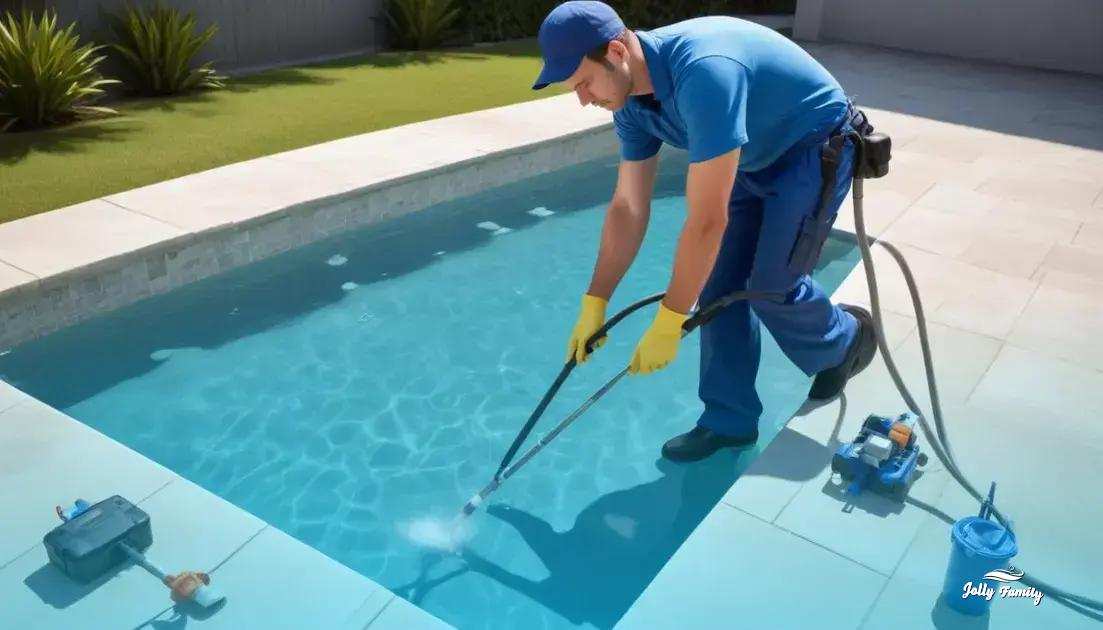

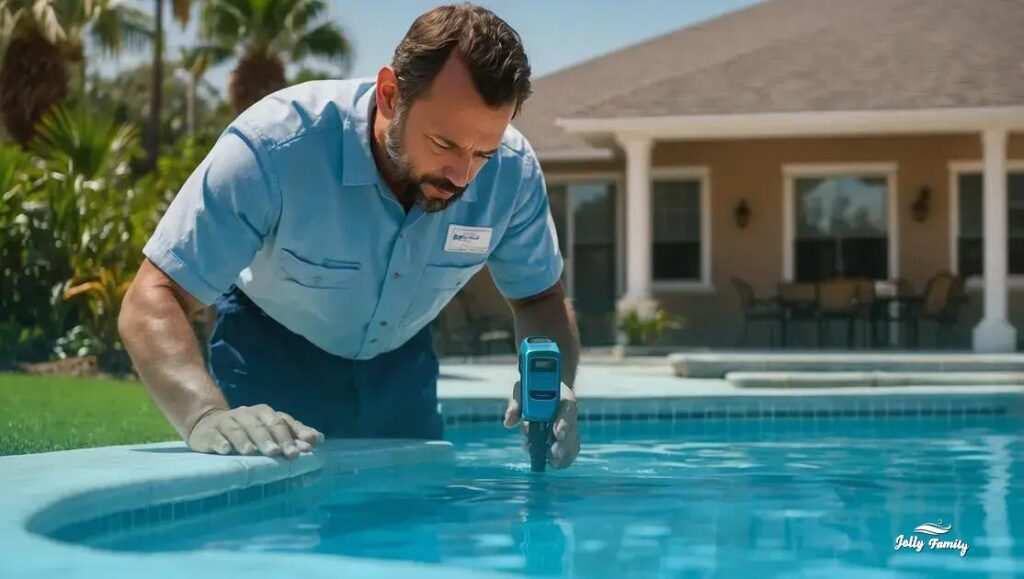
Safe pool chemical balancing service Kissimmee delivers weekly calibrated testing and precise dosing to maintain pH, alkalinity, sanitizer, and hardness within recommended ranges, prevents algae and corrosion, documents results, and provides timely corrective actions after storms or heavy bather use to keep water safe, clear, and equipment long-lasting.
safe pool chemical balancing service Kissimmee helps you enjoy clear, safe water without guesswork. At Jolly Family, we balance chemicals, test regularly, and teach simple checks you can do between visits. Curious how routine care prevents costly problems? Read on.
why proper chemical balance matters for safety and longevity
Keeping a proper chemical balance keeps swimmers safe and prolongs the life of your pool. pH, free chlorine, and total alkalinity must work together. When one level drifts, problems start fast.
Health and safety risks
Low chlorine or wrong pH lets bacteria and algae grow. That raises the risk of ear, skin, and eye infections. High chlorine or low pH can irritate skin and eyes and damage swimsuits.
Protecting pool surfaces and equipment
Imbalanced water causes corrosion or scaling. Metal parts, heaters, pumps, and liners wear out sooner. Balanced chemistry prevents rust, cloudy filters, and costly repairs.
Water clarity and swimmer comfort
Clear water is not just cosmetic. Proper balance keeps water sparkling and comfortable to swim in. It reduces odors and makes the pool feel softer on skin and hair.
Cost and time savings
Regular balancing avoids shock treatments and frequent filter changes. Simple weekly checks save money and extend the life of your equipment.
Simple checks and quick fixes
Test with a reliable kit or digital meter at least once a week and after heavy use or storms. Adjust pH with pH increaser or decreaser, and maintain free chlorine in the recommended range. For stubborn issues, call a professional to avoid overcorrecting.
- Quick tip: Keep a log of test results to spot trends early.
- Quick tip: Balance alkalinity first, then pH, then sanitizer.
how Jolly Family tests and adjusts pool chemistry in Kissimmee
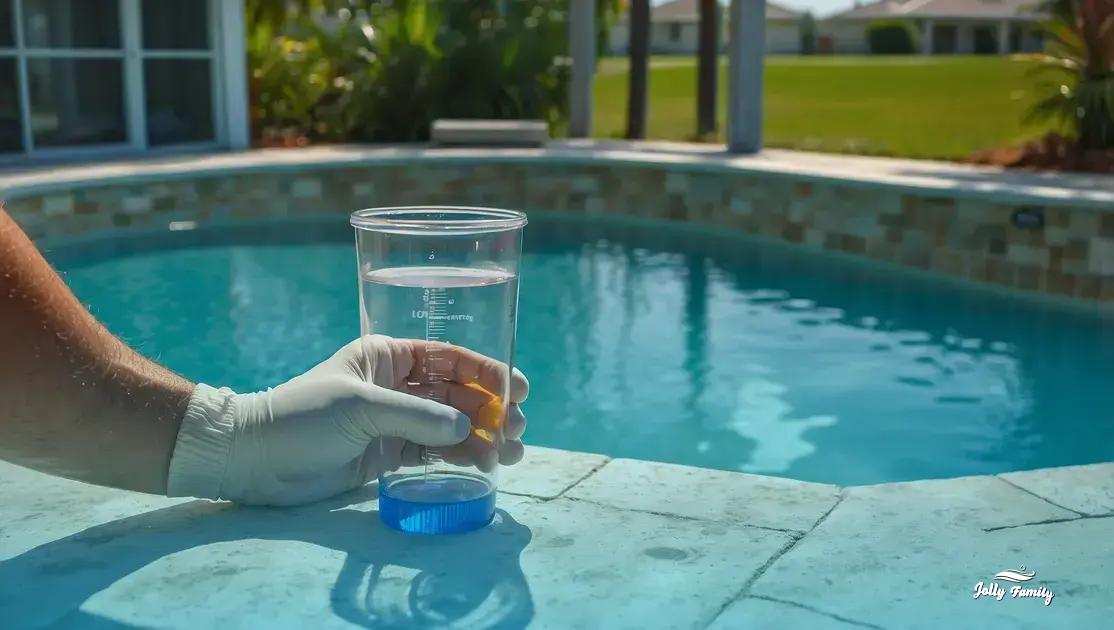
When Jolly Family arrives, the tech starts with a quick visual check of the pool, equipment, and water clarity. They note temperature, recent weather events, and bather use before any tests. This context helps target adjustments for Kissimmee’s heat and storms.
On-site testing process
The team uses a digital meter and liquid reagent kits for accurate readings. Common tests include pH, free chlorine (DPD), total alkalinity, calcium hardness, and cyanuric acid. Each sample is taken from elbow depth in the shaded area for consistency.
Results are read immediately. Digital meters give fast pH and ORP values, while titration-style kits show precise alkalinity and hardness. If numbers fall outside ideal ranges, the tech plans corrective doses.
Adjustments and dosing order
Technicians follow a clear order: adjust total alkalinity first, then pH, then sanitizer, and finally calcium hardness if needed. This order prevents wild swings and overcorrection.
- Raise alkalinity: sodium bicarbonate, added in small portions and mixed.
- Lower pH: dilute muriatic acid or dry acid, applied safely to deep water.
- Raise pH: soda ash, added in measured doses.
- Sanitizer: stabilized chlorine, liquid bleach, or shock treatments applied after pH is stable.
Salt and specialty systems
For salt-chlorine systems, the tech checks cell condition and salt levels, balancing sanitizer output rather than adding routine chlorine. For mineral or ozone systems, adjustments focus on pH and alkalinity while monitoring residual sanitizer.
Safety, timing, and communication
All dosing is done with PPE and away from swimmers. The tech waits recommended circulation time before swimmers return. They take photos and log numbers, then send a short report with next steps and any recommended repairs.
When to call for help
If tests show persistent cloudiness, scaling, or corrosion signs, the tech recommends a shock treatment or equipment check rather than home fixes. Regular weekly or biweekly service keeps small issues from becoming costly repairs.
- Quick tip: Keep a visible test log so trends are easy to spot.
- Quick tip: Test after heavy rain or a pool party to avoid surprises.
common imbalances: causes, signs, and quick fixes you can spot
Spotting common imbalances early saves time and money. Below are typical causes, visible signs, and quick fixes you can try safely at home.
low chlorine (sanitizer deficit)
Causes: heavy bather load, hot weather, rain, or not adding chlorine enough. Signs: strong chlorine smell (ironically), cloudy water, slimy surfaces, and eye or skin irritation. Quick fixes: test free chlorine, add a measured dose of chlorine or shock the pool, run the pump for several hours, and retest after 4–6 hours.
high chlorine (over-sanitized)
Causes: recent shock, automatic feeder set too high, or adding too much bleach. Signs: strong chemical odor, red eyes, and dry, irritated skin. Quick fixes: stop adding chlorine, dilute by adding fresh water if safe, and run the pump with plenty of aeration; wait and retest until levels fall into range.
low pH (acidic water)
Causes: acid additions, rain, or acidic fill water. Signs: stinging eyes, faded swimwear, and etching or corrosion on metal parts. Quick fixes: raise pH with soda ash (sodium carbonate) in small doses, circulate well, and retest after a few hours.
high pH (alkaline water)
Causes: overuse of pH increaser, high alkalinity, or hard fill water. Signs: cloudy water, scaling on surfaces, and reduced chlorine effectiveness. Quick fixes: lower pH with muriatic acid or dry acid carefully, add slowly to deep water, circulate, and retest.
high or low total alkalinity
Causes: source water, chemical additions, or lack of maintenance. Signs: unstable pH that keeps drifting, cloudy water, and scaling when alkalinity is high. Quick fixes: raise alkalinity with sodium bicarbonate; lower it with acid added in small, measured amounts while monitoring pH.
calcium hardness issues
Causes: refilling with hard or soft water, frequent water loss, or imbalance of other chemicals. Signs: scaling and white crust when hardness is high; pitting or etching when hardness is too low. Quick fixes: raise hardness with calcium chloride in measured doses; if too high, partially drain and refill with softer water.
cloudy water and algae
Causes: poor filtration, low sanitizer, or phosphates and organic load. Signs: hazy water, green or black patches, or slippery surfaces. Quick fixes: brush and vacuum, run filter continuously, test and correct sanitizer and pH, and use an algaecide or shock treatment if needed.
- Quick tip: always test before adding chemicals and follow product instructions.
- Quick tip: keep a short log of results after storms and heavy use to spot trends fast.
weekly maintenance checklist: what professionals handle and what you can do
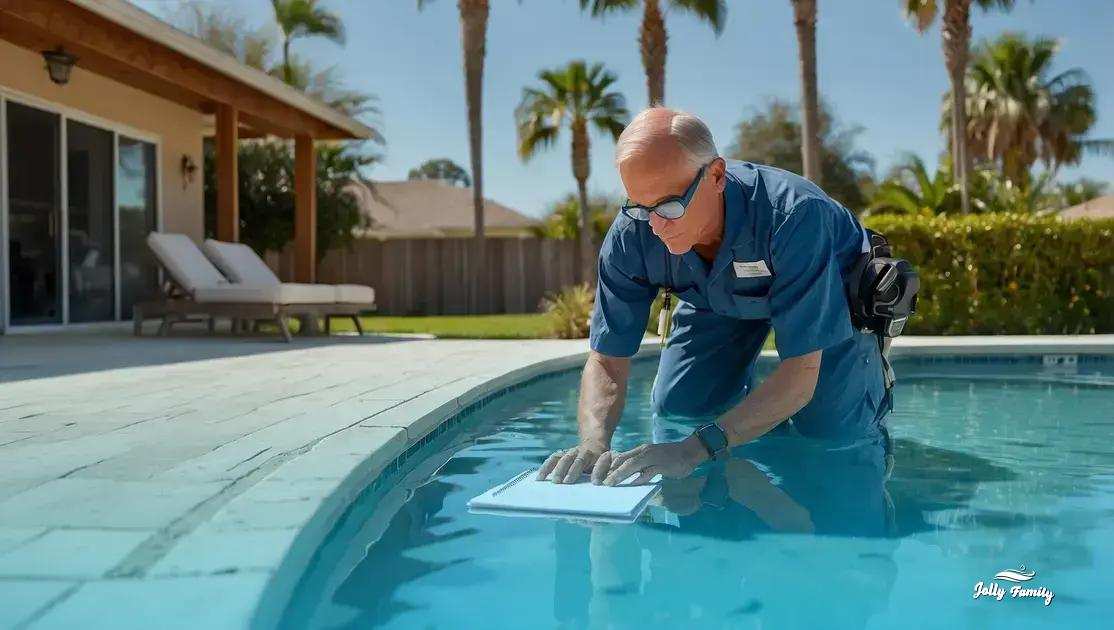
Use a simple weekly routine to keep your pool safe and avoid surprises. Split tasks between the professional and the homeowner for best results.
what professionals handle
- Full chemical analysis: precise readings with digital meters and reagent kits, then adjust chemicals to ideal ranges.
- Filter and pump inspection: check pressure, clean baskets, and backwash or clean cartridge when needed.
- Equipment check: inspect heater, chlorinator or salt cell, timers, and valves for wear or leaks.
- Shock or treatment: apply shock, algaecide, or stain removers when required and follow safe circulation times.
- Record keeping: log test results, actions taken, and recommended repairs in a service report.
what you can do
- Visual check: look for clear water, debris, and any surface stains each week.
- Skim and brush: remove leaves and brush walls to prevent algae buildup before it spreads.
- Empty skimmer and pump baskets: clear debris to keep flow steady and extend equipment life.
- Test basic levels: use test strips or a simple kit to check pH and free chlorine between professional visits.
- Maintain consistent run time: run the pump long enough for full turnover—longer in hot weather or after heavy use.
- Note changes: record weather, parties, or heavy rain so pros can adjust service plans.
weekly priorities and timing
Focus on sanitizer and pH first, then skimming and filter care. Do quick homeowner checks midweek and schedule the professional visit after storms or high bather use.
safety and communication
Keep swimmers out during treatments, store chemicals locked and dry, and share your homeowner notes with the technician for faster solutions.
- Quick tip: keep a small log by the pool with test results and dates so trends are easy to see.
- Quick tip: schedule seasonal checks for salt cells, heaters, and winter prep if needed.
how weather and bather load affect chemicals in Kissimmee pools
Sun, heat, rain, and heavy use change pool chemistry fast in Kissimmee. Warm days speed chlorine loss and boost algae growth. Sudden storms dilute water and can drop pH, while swimmers add oils and contaminants that use up sanitizer.
sun and heat effects
High temperatures increase chlorine breakdown and raise bacterial growth. UV light from the sun destroys free chlorine unless you use a stabilizer. Warm water also feels softer but needs more frequent checks to keep sanitizer in range.
rain, storms, and runoff
Rain can lower pH and alkalinity, and storm runoff may add dirt, leaves, and nutrients that feed algae. Heavy rain may force a partial refill, which changes total dissolved solids and calcium hardness. After storms, test and adjust before swimming.
how bather load changes chemistry
People bring sweat, sunscreen, lotions, and urine into the pool. These organics consume free chlorine and form chloramines, which cause odor and eye irritation. More swimmers means faster chlorine drop and higher filter demand.
signs to watch for
Watch for: quick chlorine drops after parties, strong chemical smell (sign of chloramines), cloudy water after a busy day, and visible algae after warm, wet weather. These signs mean fast action is needed to avoid bigger problems.
quick fixes and smart steps
Test water after heavy use or storms. If chlorine is low: shock the pool or add measured sanitizer. Increase pump run time to clear waste and run the filter longer on hot days. Brush and vacuum if you see algae or cloudiness.
- Preventive tip: ask swimmers to shower before entering to cut oil and sunscreen load.
- Preventive tip: keep a small stock of shock and test strips for rapid fixes.
- Pro tip: keep cyanuric acid (stabilizer) in the proper range so sun doesn’t waste your chlorine.
when to call a professional
If water stays cloudy, algae returns after treatment, or corrosion appears on metal parts, schedule a pro check. A technician can balance tricky issues like high CYA, persistent chloramines, or equipment problems made worse by weather and heavy bather use.
choosing a reliable partner: what to expect from regular service
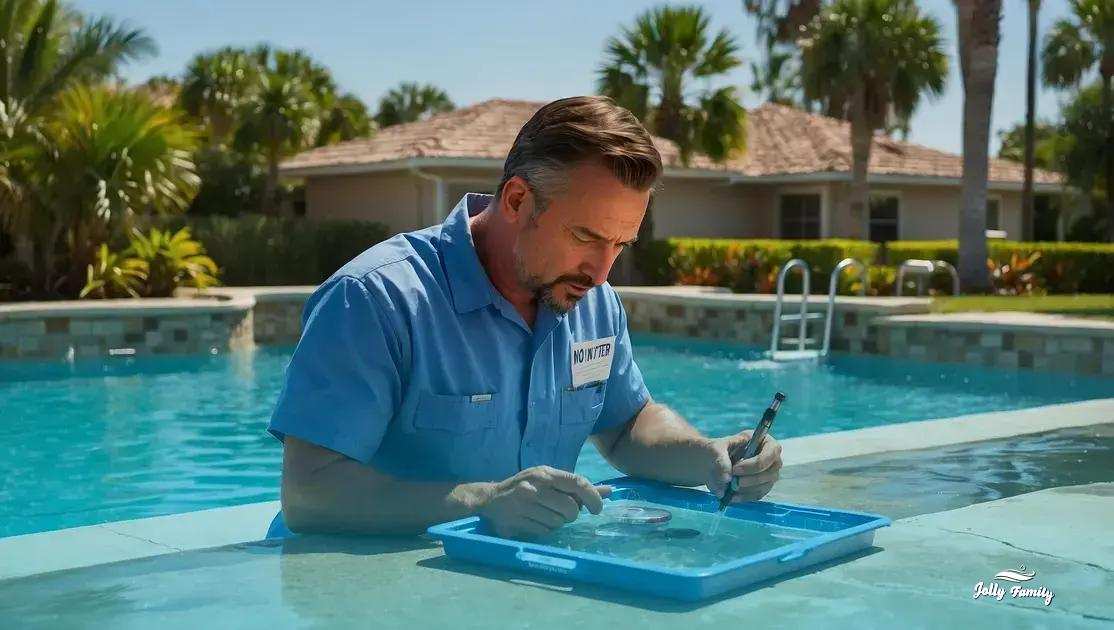
A dependable pool partner brings steady care, clear rules, and fewer surprises. Expect routine testing, timely visits, and advice tailored to Kissimmee conditions.
service standards
Look for: licensed, insured technicians who use calibrated meters and proper PPE. Professional teams follow a checklist for chemicals, pump pressure, and equipment wear to avoid guesswork.
transparent reporting and pricing
A good provider delivers a simple service report after each visit with test results and photos. Expect itemized pricing for repairs and clear options for recurring plans. This helps you compare value and avoid hidden fees.
maintenance scope and response
Regular service should include chemical balancing, filter and skimmer checks, and visual inspection of heaters and salt cells. Ask about response time for urgent issues and seasonal adjustments for heavy rain or heat.
communication and homeowner support
Good communication means reminders, plain-language explanations of test numbers, and quick tips you can follow between visits. Providers who log results let you spot trends before problems grow.
warranties and professional guarantees
Expect clear warranty terms on parts and a satisfaction or service guarantee. Reliable companies document work and offer follow-up visits if an issue returns after treatment.
- Quick tip: keep a visible test log and photos so your technician sees patterns.
- Quick tip: confirm certifications, insurance, and local references before signing a contract.
Keep your Kissimmee pool safe and lasting
Proper chemical balance prevents cloudy water, equipment damage, and health risks. Small, regular checks save time and money over the long run.
Trust professionals for precise testing and tricky fixes, and do simple weekly tasks like skimming, testing pH and chlorine, and running the pump. Record test results so trends are easy to spot.
If you notice issues that don’t clear after basic fixes, call a service to avoid costly repairs. With routine care and the right partner, your pool will stay clear, safe, and ready for fun.
FAQ – safe pool chemical balancing service Kissimmee
How often should I test my pool chemicals?
Test pH and free chlorine at least once a week and after heavy rain, pool parties, or hot spells. More frequent checks keep small issues from growing.
What simple checks can I do between professional visits?
Use test strips or a basic digital meter for pH and chlorine, skim debris, brush walls, and empty skimmer baskets weekly. Record results so you spot trends.
Why does my pool smell strongly of chlorine?
A strong chlorine odor usually means chloramines—combined chlorine from sweat, sunscreen, or urine. Shock the pool or call a pro to remove chloramines and restore free chlorine.
When should I call a professional for help?
Call a technician if water stays cloudy after treatment, algae returns, there are signs of corrosion, or equipment shows leaks or odd noises. Pros handle tricky balances and equipment checks.
Are pool chemicals dangerous to handle at home?
Yes—store chemicals locked and dry, wear gloves and eye protection, and always follow label instructions. Add chemicals to water, never water to chemicals, and keep swimmers away during dosing.
How do weather and swimmers change chemical needs?
Heat and sun break down chlorine faster; rain can lower pH and add contaminants; swimmers add oils and organics that use sanitizer. Test after storms and heavy use and adjust dosing accordingly.