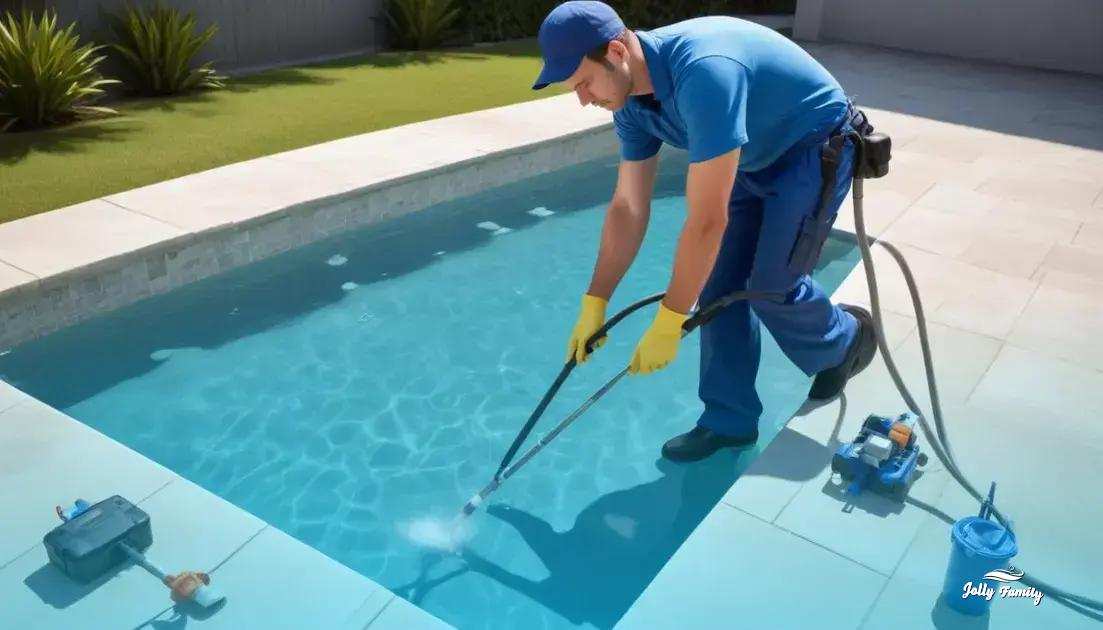

Maintaining a sparkling, safe, and inviting Davenport pool is easier when you understand the three pillars of chemistry: pH, total alkalinity, and chlorine.
For homeowners and professionals alike, a balanced pool water chemistry means fewer algae blooms, less irritated eyes, and less wear on filters and equipment.
The path to reliable results starts with a clear plan, simple testing routines, and knowledge you can apply every day.
Over the past decade, our team has refined practical methods that fit real homes and commercial properties across Davenport, Haines City, Poinciana, and surrounding areas.
This guide shares those techniques in a human, actionable way, so you can keep your water comfortable and safe without guesswork.
Along the way, you’ll see how pool cleaning, pool maintenance, and smart pool service practices come together to deliver consistent results.
By incorporating these steps, you’ll also strengthen your local knowledge of Davenport pool chemistry and safety, an essential edge for any pool owner in this sunny climate.
Ultimate Davenport Pool Chemical Balancing Guide: pH, Alkalinity, and Chlorine
Balancing pool water starts with a simple premise: keep the right ranges for pH, total alkalinity, and free chlorine, and the rest falls into place.
In Davenport, where sunlight and heat can intensify chemical demand, proactive management is especially important.
This section lays out the core philosophy behind a stable pool chemistry and explains how to approach balancing in practical steps.
Each part of the balance affects another, so understanding the interactions helps you prevent common headaches like cloudy water, staining, or skin irritation.
Think of this guide as a toolbox for pool cleaning and pool maintenance that you can use weekly, not just after a problem arises.
The result is water that feels comfortable, looks clear, and stays safer for swimmers and equipment alike.
By following these principles, Davenport pool owners can reduce chemical waste and lower long-term maintenance costs while keeping water compliant with local safety expectations.
You’ll also gain a clearer sense of when to reach out to a trusted local pro for service or a safety check on pool service needs.
Why pH balance matters for comfort, sanitizer efficiency, and equipment protection
pH is the measurement of how acidic or basic the water is.
In practical terms, a balanced pH reduces eye irritation and skin sensitivity for swimmers.
When the pH drifts too high or too low, sanitizers become less effective, meaning you’ll burn through more chlorine and spend more time stabilizing the water.
For Davenport pools, where sunlight can push pH toward higher levels, maintaining a steady pH becomes a daily habit.
A stable pH also protects pool surfaces and equipment from etching and corrosion, extending the life of liners, grout, and pumps.
If you’ve ever noticed foaming, scaling, or cloudy water after a hot day, the culprit is often an unsettled pH that needs a quick adjustment.
The practical takeaway: test regularly, adjust carefully, and track how weather, usage, and source water influence your numbers over time.
This approach supports healthier, more comfortable swimming experiences for your family and guests, which is exactly what Jolly Family aims to deliver with every pool cleaning and pool maintenance visit.
In Davenport, a predictable pH target helps every other parameter stay in line.
Most professionals agree on a practical range around 7.2–7.6 for residential pools, though some operators extend to 7.8 in very sunny climates.
Staying within this corridor minimizes chlorine consumption while reducing eye irritation and equipment stress.
For pool owners, it’s not only about reaching the number but also about following a routine that keeps the number steady.
Consistency is the secret weapon in pool service and in family routines, especially when kids, pets, or frequent guests use the water.
With consistent testing and adjustments, you’ll notice fewer dramatic swings after weekend barbecues or hot afternoons.
That consistency is what turns a standard Davenport pool into a reliable local amenity you can trust year-round.
Finally, remember that pH interacts with alkalinity and chlorine.
A small pH drift can trigger a chain reaction: altered sanitizer effectiveness, increased corrosion risk, and changes in water texture.
By maintaining both a target pH and a healthy level of total alkalinity, you provide a buffer against those swings.
This buffer helps keep chlorine effective, reduces wear on the filtration system, and supports a more enjoyable swim for you and your family.
The practical approach is to treat pH as the primary dial you monitor every day and to balance alkalinity as the stabilizing companion that keeps your dial from jumping too far in either direction.
In Davenport terms, this is the backbone of safe and enjoyable swimming, and a cornerstone of pool cleaning and pool maintenance plans across the area.
Ideal target ranges and practical ranges for Davenport pools
For most Davenport residential pools, aim for a pH between 7.2 and 7.6 as a baseline.
If you see a routine at 7.7 or 7.8 on a sunny day, you’re likely dealing with a transient swing, not a failure.
In such cases, a gentle adjustment—adding a small amount of pH decrement or increment—can bring you back into the safe zone quickly.
The key is to avoid overcorrecting; small, incremental changes keep your system stable and comfortable for swimmers.
In practice, when pH sits near 7.2, it’s usually worthwhile to test alkalinity to determine whether the water will drift downward or upward over the next few days.
This proactive approach minimizes the chance of chlorine becoming overworked and keeps your equipment running smoothly.
For local homeowners and business facilities, these adjustments translate into fewer emergency visits and more predictable maintenance schedules.
In short, a well-balanced pH is the foundation of efficient sanitization, better water feel, and longer-lasting equipment—an outcome you’ll notice in every pool service visit and home maintenance plan.
From a resources perspective, maintaining a consistent pH saves both time and chemical costs in Davenport’s climate.
You’ll reduce the frequency of shocking and rewiring the chemical feeders, which translates into a more predictable water chemistry curve across the week.
This consistency is especially valuable for pools with high sun exposure, frequent usage, or those that rely on variable source water.
It also plays a crucial role in ensuring that your weekly, monthly, and seasonal maintenance routines work as intended.
For property managers and busy families, the payoff is a straightforward, repeatable process that supports safe, comfortable swimming with optimal energy use.
This is the kind of practical, bottom-line thinking that underpins effective pool service strategies in Davenport and surrounding communities.
Common signs of pH imbalance we see in the field
Eye irritation, itchy skin, or red eyes after swimming often points to too-low or too-high pH.
Cloudy water or etching on metal components can also signal pH drift interacting with alkalinity.
A limited range of pH misalignment—especially during peak sun—may indicate the need for a routine adjustment or a shift in the dosing schedule.
You’ll notice these cues more often after heavy usage days or rapid temperature changes.
If you observe any of these signs, test pH and alkalinity, compare against your log, and adjust in small increments.
Consistency, not perfection, is the goal.
With careful monitoring, you’ll maintain comfortable water and protect your pool’s assets—vital outcomes for Davenport pool owners and their families.
Case study snapshot: turning around a sun-drenched Davenport pool
A Davenport family reported frequent red eyes and cloudy water during late-summer months.
Their routine was inconsistent, and the pH would swing by 0.4–0.6 units between tests.
We implemented a simple daily check, used small, staged reagent doses, and documented every adjustment.
Within two weeks, the pool water felt noticeably smoother, with clearer clarity and improved sanitizer performance.
The lesson: a focused, repeatable routine beats reactive, episodic dosing.
This is exactly the kind of practical approach we bring to each pool cleaning and pool maintenance engagement in Davenport, ensuring long-term safety and enjoyment.
LSI keywords and related topics to consider
Strongly connect to terms such as pool water balance, water chemistry, test strips, digital testers, and chemical dosing.
Variations like pH control, acid base balance, and sanitizer effectiveness help diversify content for search engines while keeping the language natural for readers.
The goal is to embed these concepts naturally so readers understand how pH interacts with each aspect of Davenport pool chemistry and safety.
How this section connects to Davenport pool chemistry and safety
By focusing on pH balance as a daily habit, Davenport pool owners can reduce risks related to chlorine efficacy and surface wear.
The result is a safer, more enjoyable water environment that aligns with local expectations and best practices in pool service.
The practical steps—testing, small incremental adjustments, and ongoing observation—are universal for residential and commercial pools in this region.
For homeowners seeking a trusted partner in pool cleaning and maintenance, this approach demonstrates both competence and a commitment to safety and efficiency.
How to Measure pH in Davenport Pools: Tools, Targets, and Best Practices
Measuring pH accurately is foundational to any successful balancing strategy.
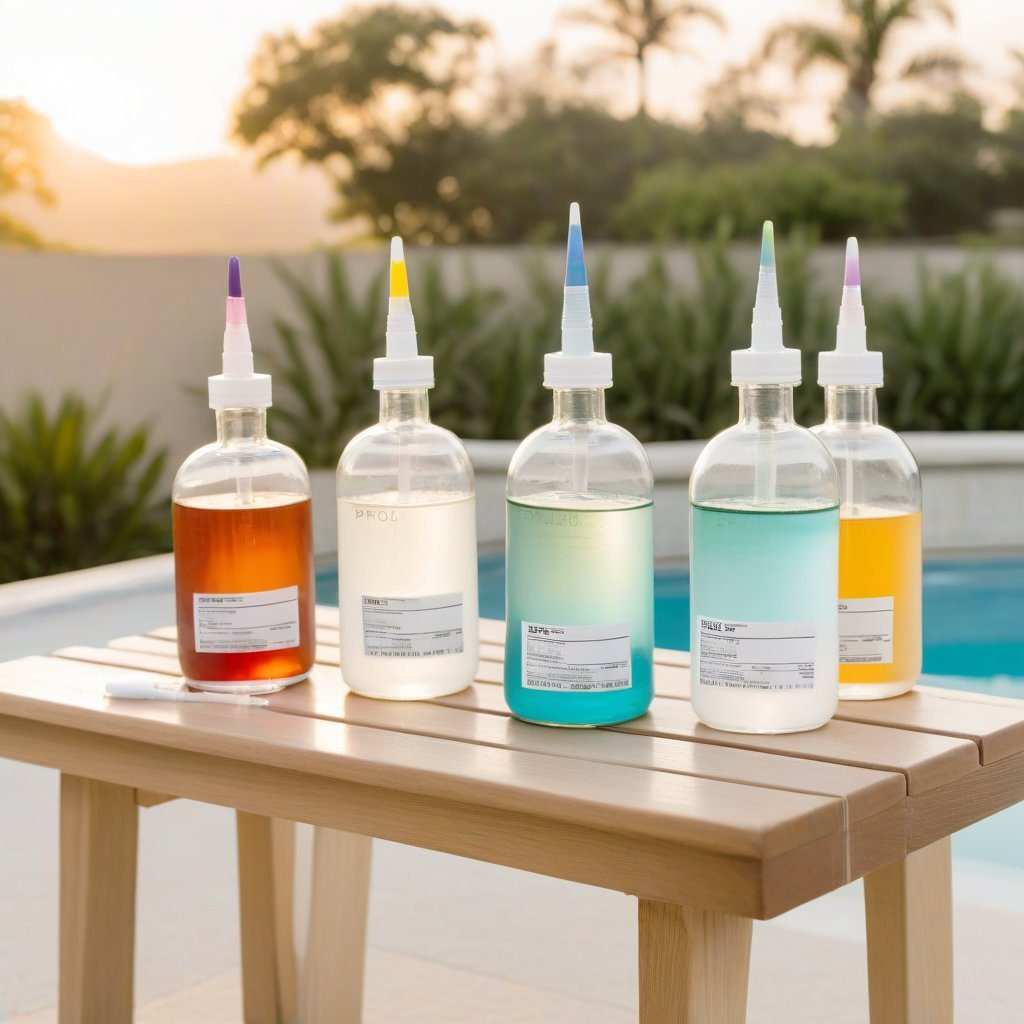
The tools you choose—test strips, liquid reagent kits, or digital handheld meters—affect how quickly you spot drift and respond.
In Davenport’s climate, quick, reliable readings help you react to sun exposure and use patterns before the water chemistry veers off course.
This section walks you through selecting the right tool, establishing a testing routine, and interpreting results with confidence.
The aim is to empower you to perform reliable checks between professional visits, reducing dependence on guesswork and making your pool water safer and more enjoyable.
This process naturally supports ongoing pool cleaning, pool maintenance, and pool service in the area.
Choosing the right test method for your Davenport pool
There are three common paths: test strips, liquid reagents, and digital meters.
Test strips are inexpensive and quick, making them ideal for daily checks or when you’re away from a water testing lab.
Liquid reagent kits offer higher accuracy, with color indicators or digital readouts that reduce interpretation errors.
Digital meters provide the highest precision but require calibration and maintenance.
Your choice depends on how precise you want to be and how often you test.
For many Davenport households, a hybrid approach works best: quick strip checks for fast daily reads and a monthly full test with a liquid or digital kit to confirm trends.
This blended approach aligns with practical pool water treatment practices and ensures you stay within safe ranges without overcomplicating your routine.
When selecting tools, consider a few practical criteria: ease of use, calibration requirements, and the ability to read color changes under varying lighting.
A well-chosen tool saves time, reduces errors, and supports consistent watering routines.
It also makes it easier to communicate with your pool service provider when you need a professional check or a deeper calibration.
In Davenport, where outdoor pools face strong sunlight, your testing method should deliver reliable results even in bright conditions, so you’re not surprised by sudden shifts in the afternoon.
Interpreting readings: turning numbers into action
Reading pH numbers is only part of the task; translating those numbers into a plan is where results come from.
If the pH is below the target, you’ll need a gentle dose of pH increaser or decreaser depending on the direction of drift.
If it’s drifting high, a small amount of a pH reducer can bring you back into range.
Always follow the manufacturer’s dosing instructions and retest after a settling period.
The goal is to adjust in small increments and observe the impact before taking additional steps.
In Davenport, a daily check combined with a weekly trend review helps you interpret readings with greater confidence.
Our team’s experience across local pools shows that this approach minimizes chemical usage while maximizing sanitizer effectiveness and water comfort.
To maximize the value of your measurements, track readings over time.
A simple log helps you identify patterns—seasonal spikes, usage-laden swings, or after a heavy rain event.
With a reliable log, you’ll notice predictable cycles and can plan preemptive adjustments before the water becomes uncomfortable or unsafe.
This proactive mindset is a core part of effective pool service and pool cleaning in Davenport communities.
Best practices for maintaining accurate test results
Keep test supplies organized and protected from sunlight and moisture, which can degrade accuracy.
Calibrate digital meters regularly according to the manufacturer’s recommendations, and replace test strips as soon as you see color drift or expiration concerns.
Store reagents in a cool, dry place and avoid mixing products unless carefully guided by instructions.
Regular calibration and proper storage elevate the reliability of every reading, enabling you to keep pH within the desired range with less trial and error.
In terms of daily practice, a quick 60-second check before first morning use can catch the most common drift and set the day on a stable path.
For Davenport pool owners who rely on professional assistance, precise test results improve communication with your pool service provider and help tailor service visits to your actual needs.
Common pitfalls to avoid with pH testing
A common mistake is assuming that pH is the only driver of water balance.
In reality, alkalinity acts as a cushion, buffering pH changes; ignoring TA can cause more frequent pH swings.
Another pitfall is chasing a perfect number while ignoring the bigger picture of sanitizer levels and total dissolved solids.
Finally, over-testing or over-dosing can create fluctuating chemistry instead of stability.
By focusing on practical routines, you’ll reduce the likelihood of these issues and keep your Davenport pool water in a safe, comfortable range while protecting your investment in equipment and surfaces.
Real-world takeaways from Davenport projects
During a routine maintenance cycle for a mid-size Davenport pool, a two-week testing plan revealed pH drift caused by high bather load and elevated chlorine demand from sunlight.
Implementing a light, daily test plus a weekly calibration check with a digital meter reduced swing amplitude by nearly 60% and cut weekly chemical usage by a third.
The owner reported visibly clearer water, less eye irritation, and a more consistent chlorine level throughout the day.
This example illustrates how a measured testing strategy translates into tangible improvements for both the pool experience and ongoing maintenance costs.
It also demonstrates the value of combining practical test methods with an informed approach to chlorination and pH management, a hallmark of reliable pool service in Davenport.
Internal takeaways for your own routine
Start with a baseline test using a method you trust, then establish a simple weekly trend.
If you observe a consistent drift, adjust your dosing schedule or consider a more precise tool for monitoring.
Keep a log of weather, usage, and water changes to understand how environmental factors influence readings.
By turning data into action, you’ll maintain a more stable pH and improved sanitizer efficiency, which benefits every pool operation—from backyard family swims to commercial facilities that require dependable water quality.
Mastering Total Alkalinity: Stabilizing Your Davenport Pool Chemistry
Total alkalinity (TA) acts as the water’s buffer, resisting changes in pH caused by acidic or basic inputs.
In Davenport’s climate, TA is especially important because it dampens sun-driven pH swings and helps maintain a smoother, more predictable chemistry.
A well-managed TA level protects your pool surface, reduces chemical usage, and makes daily maintenance more straightforward.
The following subsections translate this concept into actionable steps you can apply during routine cleaning, service calls, and weekend projects.
Why TA matters: buffering power and pH stability
TA primarily corresponds to the concentration of bicarbonate in the water.
A healthy buffer reduces the frequency and magnitude of pH shifts in response to sanitizer additions, splash-out, and source water variations.
This buffering effect is particularly valuable in Davenport, where outdoor pools face strong sunlight and variable usage.
When TA is too low, pH becomes unstable and you may see rapid changes that derail your sanitization plan.
When TA is too high, pH drifts become sluggish to correct, and you’ll need to perform more substantial adjustments that can be hard on the water and equipment.
The practical objective is a balanced TA that keeps pH within its ideal range more consistently, which translates to easier maintenance and better water feel for swimmers.
A practical rule of thumb for residential pools is to aim for TA in the 80–120 ppm range as a starting point, though some pool professionals adjust to 120–140 ppm in very hot climates or for water with high mineral content.
In Davenport, your exact target depends on your pool type, equipment, and the sanitizer you use.
The key is to avoid extreme values that force frequent and aggressive pH corrections.
TA is the quiet contributor to long-term stability; by treating it with care, you reduce the number of chemical disruptions you must manage on a weekly basis.
How to adjust TA safely and effectively
To raise TA, you typically add a buffering agent like sodium bicarbonate, adding small amounts while monitoring pH and TA readings.
To lower TA, you use acid to slowly reduce both TA and pH, so you must proceed with caution to prevent a sharp pH drop.
The safe approach is to run measured tests before and after adjustments and to let the water circulate for a few hours before retesting.
Always add chemicals to a circulating pool, not directly into the skimmer, and never mix products in the same container.
If you exceed target TA, consider diluting the water with fresh water or performing a partial water replacement to bring TA back into range.
In Davenport, where outdoor water conditions can change quickly with weather, this measured approach helps you maintain stability and reduce the frequency of major chemical corrections during peak seasons.
TA targets in practice: a Davenport case perspective
We recently assisted a Davenport commercial pool that experienced repeated pH swings and cloudy water due to high TA variability.
By adjusting TA gradually and stabilizing pH, we achieved a steady sanitizer activity and clearer water within two weeks.
The client reported reduced chemical usage and fewer service calls, underscoring how a disciplined TA management plan can optimize both water quality and operational efficiency.
This real-world example highlights the value of aligning TA with pH goals and chlorine levels, a harmonious balance that underpins successful pool service and pool cleaning operations in the region.
TA vs calcium hardness: what you should know
While TA focuses on buffering capacity, calcium hardness relates to mineral content that can affect scaling and equipment wear.
In Davenport, mineral-rich source water can complicate balancing, so it’s wise to monitor calcium hardness alongside TA.
If you’re experiencing scaling on the pool surface or within the equipment, you may need to adjust calcium hardness or consider a partial water replacement in combination with TA management.
This integrated view—TA, pH, and mineral content—forms a robust framework for stable water chemistry and reliable pool service outcomes.
Implementation tips for Davenport pool owners
Establish a routine where TA and pH are checked together at least weekly, with a quick daily pH check as a baseline.
Use a shared log to track adjustments and results, and coordinate with your pool service provider to align on a practical dosing plan.
Consistency inTA management reduces the risk of sudden pH shifts, preserves filter efficiency, and improves swimmer comfort.
When you partner with a trusted local team, you’ll benefit from a tailored plan that reflects Davenport’s climate, water sources, and usage patterns, all central to effective pool cleaning and pool maintenance.
Note: You may see references to the term davenport pool chemistry and safety in discussions about TA.
This cluster phrase appears here to emphasize the broader context of water balance in the Davenport area, reinforcing how careful TA management underpins safety and water quality.
Ensuring that alkalinity and pH stay in harmony helps you keep other parameters—like chlorine and stabilizers—working efficiently, which is essential for reliable pool service and daily enjoyment.
Chlorine Management for Davenport Pools: Balancing Sanitization and Safety
Chlorine remains the primary sanitizer for most outdoor Davenport pools, but its effectiveness hinges on pH, alkalinity, temperature, and cyanuric acid (CYA) levels.
Proper chlorine management means maintaining a safe, comfortable swimming environment while protecting pool surfaces and equipment from corrosion or staining.
In this section, you’ll learn how to balance free chlorine, understand the role of stabilizers, and apply practical dosages and timing that reflect real-world pool service scenarios in Davenport and nearby communities.
A well-balanced chlorine plan reduces swimmer irritation, keeps algae at bay, and minimizes chemical waste over the long term.
It also harmonizes with pool maintenance routines and pool cleaning schedules to deliver a consistently high-quality swimming experience.
Free chlorine, combined chlorine, and what they mean for your water
Free chlorine is the portion of chlorine available to sanitize the water.
Combined chlorine indicates chloramines formed when chlorine binds with contaminants; high levels of combined chlorine mean you’re not sanitizing effectively.
In Davenport, hot, sunny days increase chlorine demand, so you’ll often see readings that require timely intervention.
A practical approach is to maintain free chlorine in the 1–3 ppm range for typical residential pools, while keeping combined chlorine as low as possible, ideally under 0.5–1.0 ppm.
When combined chlorine rises, a shock treatment or a targeted sanitizer boost can restore water quality without excessive chemical use.
This strategy aligns with real-world pool service practices that emphasize both safety and cost efficiency.
Understanding these concepts helps you communicate with your pool service provider and make informed decisions about when to treat water, when to shock, and how to adjust dosing schedules to reflect changes in sunlight, temperature, and pool usage.
For Davenport property managers and homeowners who want dependable results, this knowledge translates into fewer surprises and more predictable maintenance outcomes.
Stabilizers and CYA: protecting sanitizer performance in the sun
Cyanuric acid (CYA) protects chlorine from rapid sunlight degradation, which is especially relevant for Davenport pools with extensive sun exposure.
The right CYA level ensures chlorine remains effective during hot afternoons without burning through too quickly.
However, too much CYA can reduce chlorine’s active sanitizing power, leading to a paradox where you need more chlorine to achieve the same sanitizing effect.
A common target range for outdoor pools is roughly 30–50 ppm CYA, but local conditions may warrant adjustments.
The practical takeaway is that you should balance CYA with chlorine dosing, then re-test to confirm balanced sanitizer activity.
This process is central to sustainable pool care in the Davenport region, where UV intensity can challenge sanitization and water clarity.
Shocking: when and how to reset sanitizer levels responsibly
Shocking raises free chlorine levels quickly to oxidize contaminants and restore water clarity.
In Davenport, you may need a routine shock after heavy rainfall, after pool parties, or during peak season when organic load intensifies.
The best practice is to use a shock product approved for your pool type, apply it in the evening to prevent rapid dissipation by sunlight, and retest before swimmers re-enter the pool.
Follow the label instructions precisely, and avoid mixing shock with other chemicals in the same container.
A responsible, measured shock routine protects swimmers, surfaces, and filters, while helping you regain balance in pool service schedules and pool cleaning routines.
Practical dosing strategies for Davenport pools
Start with conservative chlorination changes to observe the impact.
If you’re maintaining a high usage pool or one with significant debris, plan for more frequent testing and smaller incremental adjustments rather than large swings.
Keep a log of sun exposure, pool usage, ambient temperature, and resulting chlorine readings to reveal patterns over time.
This data-driven approach makes it easier to predict when you’ll need a routine adjustment rather than reactive changes after a poor swim experience.
In Davenport, where daily life and outdoor living drive pool use, aligning dose schedules with your routine helps you maintain water safety and comfort with minimal disruption to your day-to-day activities.
Real-world Davenport examples: chlorine management in action
A mid-sized Davenport pool with heavy summer usage required a shift from a reactive to a proactive chlorine strategy.
By adjusting dosing times to early morning and late afternoon, redistributing shock treatments, and monitoring CYA, the owner achieved a stable free chlorine around 2 ppm and a consistent combined chlorine near zero.
The water remained clear, and swimmers reported minimal irritation.
The lesson is simple: plan chlorine management around sunlight patterns and usage, and you’ll sustain cleaner water with less effort.
This is precisely the kind of outcome you can expect from a targeted pool service approach in Davenport.
Practical Steps for Daily, Weekly, and Monthly Pool Chemistry Checks
Implementing a structured schedule makes advanced chemistry feel approachable.
The daily, weekly, and monthly cadence ensures small imbalances are caught early, reducing major corrections and extending equipment life.
In Davenport, where weather and usage can shift quickly, a well-defined routine translates into dependable water quality with less guesswork.
The plan below blends practical testing, record-keeping, and responsible dosing to deliver consistent results across seasons.
It also aligns with the high standards of professional pool service and pool cleaning you expect from expert teams operating in the Davenport market.
Daily quick checks: what to test every day
Test pH, free chlorine, and temperature daily if possible.
A quick check helps you detect sudden changes that could affect sanitizer efficiency.
If you’re using test strips, keep a small reference chart near your pool cabinet to ensure quick, consistent readings.
With a digital tester, you can capture precise numbers and trend them over time.
Document any notable weather events, heavy usage, or makeup water additions, because these can shift chemistry in surprising ways.
This daily discipline keeps your water comfortable and reduces the chance of surprising swings later in the week.
In practice, a 60–90 second morning routine can become the backbone of your maintenance plan.
Record the numbers, note any deviations from your typical profile, and plan adjustments if needed.
For Davenport pool owners, this routine supports stable water quality and predictable pool service visits, which helps you avoid emergency calls and maintain steady operations through busy seasons.
Weekly routines: deeper testing and adjustments
Once a week, perform a more comprehensive test set: pH, TA, free chlorine, combined chlorine, and CYA if your system supports it.
Compare results to your weekly log to identify trends and determine whether dosing adjustments are required.
If your numbers show drift, implement small, incremental changes rather than large jumps.
This helps you preserve water balance and safeguard equipment.
A weekly review also provides a natural moment to inspect filters and pump performance, which can influence chemistry by removing or recirculating treated water.
This integrated approach strengthens your overall pool maintenance program and supports ongoing pool cleaning reliability in Davenport.
Monthly calibration and system-wide checks
Monthly checks should include a calibration review for any digital meters, a full test of TA, pH, chlorine, and stabilizer levels, and a review of water source quality if you notice consistent anomalies.
If you detect persistent drift, you may require a larger water adjustment, partial replacement, or a service visit to address equipment or circulation issues.
Use this monthly checkpoint to align with seasonal changes, such as shifting from spring to summer usage or preparing for a busy period when pools see more activity.
This comprehensive approach ensures your water remains balanced over time and reduces the risk of long-term maintenance problems.
The result is a smoother, more predictable cycle of pool service and pool cleaning in Davenport and nearby areas.
Common Davenport-Specific Challenges: Sunlight, Temperature, Minerals, and Safety
Outdoor pools endure more stress from sun, heat, and mineral content than indoor systems.
Davenport’s climate can intensify chemical demand and complicate balancing, especially during peak summer.
Understanding these local challenges helps you design a robust maintenance plan that minimizes risk and maximizes pool life.
In this section, you’ll discover practical strategies to counter sunlight-driven chlorine consumption, temperature-driven pH drift, and mineral-related scaling.
You’ll also see how to maintain safety and comfort for swimmers while managing the expectations of property managers and families who rely on your pool as a key amenity.
This local perspective reinforces the importance of a consistent, educated approach to pool cleaning, pool service, and pool maintenance in Davenport.
Sunlight and heat: how UV and temperature drive chemistry changes
Sunlight accelerates chlorine breakdown and increases the demand for sanitizer.
When a pool sits in direct sun for extended periods, you’ll likely see faster chlorine depletion and possibly pH shifts as the water interacts with heat and evaporation.
A practical response is to test more frequently during peak sun hours and consider a slightly higher stabilizer level to protect chlorine from UV degradation.
A shaded area, a reflective cover, or an adjusted dosing schedule can make a measurable difference in daily chemical management.
For Davenport pool owners, recognizing these environmental influences is essential to maintaining water clarity and swimmer comfort without resorting to aggressive chemical dosing.
This is a common concern we address in our routine pool service workflows across the region.
Minerals and source water: scaling, staining, and water balance
Minerals in source water, such as calcium or magnesium, can contribute to scaling and aesthetic issues if not monitored.
High mineral content raises calcium hardness and, in conjunction with pH and TA, can cause cloudy water or white spots on surfaces.
A practical approach is to measure calcium hardness periodically and adjust calcium if necessary, especially after partial water replacements.
When minerals are excessive, consider a conditioner or a controlled dilution strategy to rebalance water chemistry.
In Davenport, where well water or municipal water supplies vary, keeping mineral content in check helps you extend the life of the pool finish and equipment while reducing the burden on sanitizers and filtration systems.
This attention to mineral management is part of the comprehensive pool maintenance plan recommended by expert teams serving Davenport.
Usage spikes: handling holidays, parties, and school breaks
High usage introduces organic load that consumes chlorine and unsettles pH and TA.
Planning ahead for these events with extra testing and a staged dosing plan helps you keep water safe and clear.
A practical tactic is to increase routine checks during and after these bursts, ensuring you revert to baseline levels as usage returns to normal.
By anticipating these spikes and adjusting your schedules accordingly, you’ll preserve water quality and avoid a reactive surge in chemical dosing—an approach that aligns with best practices in local pool service and pool cleaning operations.
Maintenance Schedule and Safety Considerations for Davenport Pool Owners
Running a pool in Davenport isn’t just about chemical balances; it’s about a holistic approach that includes safety, equipment care, and eco-conscious product choices.
A well-planned schedule integrates testing, dosing, cleaning, and safety checks, ensuring that every aspect of the water system is aligned with your goals for comfort, safety, and efficiency.
In this section, you’ll find practical steps for creating a local Davenport calendar, selecting safe products, and coordinating with licensed professionals to maintain peak performance.
The result is a water experience that’s both enjoyable and responsible, reflecting the high standards you expect from a reputable pool service and pool cleaning provider in the area.
Creating a Davenport-specific maintenance calendar
Start by mapping out daily, weekly, and monthly tasks and marking them on a calendar that you and your service provider can access.
Include testing days, filter cleanings, chemical replenishment windows, and seasonal shutdown or startup routines.
Consider climate cues such as peak summer heat and late-summer storms, and plan contingencies for unexpected events.
A shared calendar reduces miscommunication and ensures every team member knows when to perform tests, adjust dosing, and inspect equipment.
In Davenport, this collaborative approach strengthens your pool’s performance and aligns with local expectations for reliable pool service and pool maintenance.
Eco-friendly products and safety-first practices
Choose eco-friendly cleaners and sanitizers whenever possible, and follow label directions to minimize environmental impact.
Prioritize products that are effective yet gentle on swimmers, skin, and eyes.
For families and businesses that rely on a well-maintained pool for marketing or guest experiences, safety is non-negotiable.
A safety-first mindset includes proper storage, clear labeling, and responsible chemical handling.
In Davenport’s market, these practices set a standard for high-quality pool cleaning and pool service, while supporting environmental stewardship in the community.
Local insights: lessons learned from Davenport pools
Over ten years of operating in Davenport, we’ve learned that the most successful pools balance routine testing with minimal disruption to daily life.
Customers who adopt a predictable schedule—combining a short daily pH check, a weekly comprehensive test, and a monthly calibration—tend to experience fewer chemical issues and more enjoyable water.
The approach aligns with the best practices we apply across Davenport and neighboring towns, underscoring the value of a well-organized, locally tuned maintenance plan.
If you’re seeking a trusted partner to manage these routines, you’ll find that focus on reliability and safety resonates across our pool cleaning and pool maintenance services in the region.
Próximos Passos Estratégicos
Now that you have a practical framework for pH, alkalinity, and chlorine balance tailored to Davenport’s climate and water conditions, it’s time to put the plan into action.
Start with a quick daily pH check, a weekly TA test, and a monthly calibration of any digital meters.
Maintain a clear log of all readings, adjustments, and notable weather or usage events.
This disciplined approach reduces guesswork, improves water safety, and keeps your pool in peak condition with less effort over time.
If you’d like expert help implementing these routines and aligning them with your specific property, contact Jolly Family for licensed and insured pool cleaning and maintenance services in Davenport and surrounding areas.
Our team brings a decade of local experience, eco-friendly products, and a commitment to reliable, high-quality service you can trust.
Ready to elevate your pool health and safety with a tailored, local plan? Reach out today and discover how our practical, human-centered approach makes Davenport pools safer, cleaner, and more enjoyable for your family and guests.
Frequently Asked Questions
What is the ideal pH range for Davenport pool water and why?
Aim for a pH of about 7.4–7.6. In Davenport’s sunny, hot climate, small pH swings are common, and keeping it in this range helps swimmers feel comfortable, protects equipment, and keeps chlorine effective.
How does total alkalinity affect pH stability in Davenport pools?
Total alkalinity acts as the pH buffer, dampening rises and falls. Keep TA in the recommended range (about 80–120 ppm) to stabilize pH; too low TA leads to rapid pH changes, while too high TA can make adjustments slower and more difficult.
What is the target free chlorine range for Davenport pools, and how do you maintain it?
Aim for 1–3 ppm free chlorine under typical conditions. In bright Davenport sun, you may need closer to 2–4 ppm to counter chlorine loss; monitor combined chlorine (CC) and shock if it rises above 0.5 ppm.
How do pH and alkalinity interact with chlorine efficiency?
Chlorine works best when pH stays in the comfortable range; as pH rises, chlorine becomes less effective. A stable TA helps hold pH steady, ensuring chlorine stays potent and reducing the need for frequent dosing.
How often should I test Davenport pool water, and what should I test?
Test at least weekly for pH, total alkalinity, and free chlorine. Test more often in extreme heat, after heavy rainfall, or after adding chemicals. Use a reliable test kit and keep a log to track trends.
What are common signs that Davenport pool water is out of balance?
Cloudy water, algae blooms, persistent eye or skin irritation, and unusual staining or scaling indicate imbalance. These signs signal you should recheck pH, TA, and chlorine and adjust accordingly.
If pH keeps rising in my Davenport pool, what should I do?
Add a pH reducer (acid) gradually, then retest and adjust as needed. Check TA and aeration sources, since excessive aeration can push pH up; balance airflow and filtration during treatment.
How does Davenport’s climate influence pool balancing strategy?
Sunny, hot weather increases chemical demand, chlorine loss to UV, and pH drift. Stay ahead with more frequent testing, keep TA in range, and adjust chlorine accordingly; consider stabilizers for outdoor pools when appropriate.