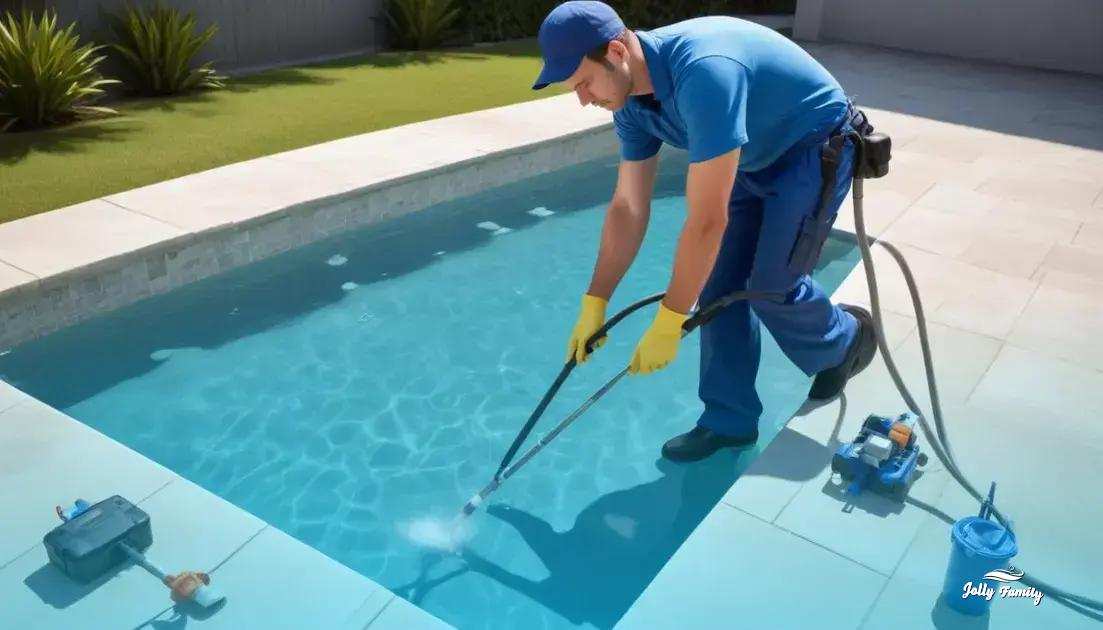

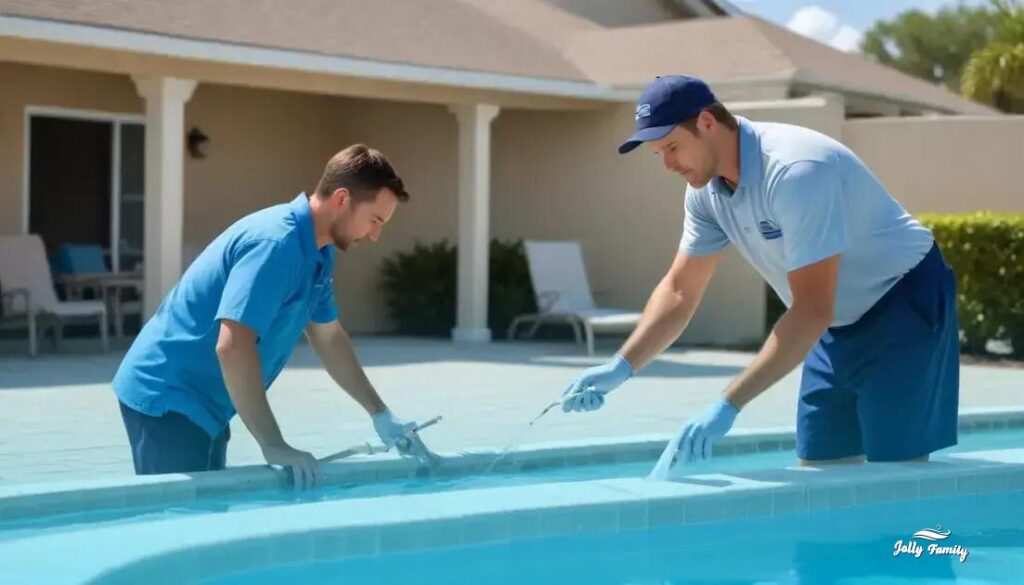
Weekly pool service for Airbnb hosts ensures pools stay safe, clear and guest-ready by performing water testing, chemical adjustments, skimming, vacuuming, equipment inspections and timestamped documentation; consistent weekly visits prevent algae, reduce costly repairs, support fast turnovers and improve guest reviews.
weekly pool service for Airbnb hosts can keep your rental guest-ready and cut down last-minute hassles. Want to know which weekly checks actually prevent bad reviews? I’ll walk through simple steps, show realistic examples and explain how Jolly Family helps Kissimmee hosts stay reliable.
Why weekly service matters for Airbnb hosts
Weekly pool service keeps your rental safe, clean and ready for guests. A regular visit fixes small problems before they become big ones. It also keeps water clear and equipment working the way it should.
Key benefits for hosts
- Guest satisfaction: Clean, sparkling water and a tidy deck make for better photos and reviews.
- Safety and compliance: Regular checks spot hazards like loose drains, broken ladders or unsafe chemical levels.
- Cost control: Small repairs and proper chemistry prevent expensive equipment failures later on.
- Predictable routine: Consistent service removes last-minute stress during turnovers.
What technicians do each week
- Water testing: Measure pH, chlorine and alkalinity and adjust as needed.
- Cleaning: Skim debris, vacuum the pool surface and tidy the deck.
- Equipment inspection: Check pumps, filters and heaters for leaks or odd noises.
- Filter and skimmer maintenance: Clear baskets and backwash or clean filters on schedule.
These tasks reduce the chance of cloudy water or algae. They also improve heater and pump efficiency. A steady chemical balance protects liners and surfaces.
Timing with guest turnover
Schedule service between check-out and check-in when possible. Share a consistent window with your cleaner or property manager. If a guest has an unexpected early arrival, request priority service or a quick mid-day check.
Pro tip: Document each visit with photos and a short checklist. That proof helps resolve disputes and shows guests you care about their comfort.
Turnover checklist: tasks Jolly Family handles every week
- Water testing & adjustment: use a digital meter or test strips to check pH, free chlorine and alkalinity. Adjust to safe ranges (pH 7.2–7.6, free chlorine ~1–3 ppm) and log results.
- Skim, brush and vacuum: remove leaves and debris from the surface, brush waterline and vacuum visible dirt to keep water clear and photo-ready.
- Skimmer and pump baskets: empty skimmer and pump baskets, clear hair and debris to maintain circulation and prevent pump strain.
- Filter care: inspect pressure gauge, backwash or clean cartridge if needed, and note time since last deep clean.
- Shock and spot-treat: apply shock or algaecide after heavy use, warm weather, or if cloudiness appears. Follow safe dosing and recheck levels before guest use.
- Equipment inspection: check pumps, heaters, chlorinators, timers and lights for leaks, noises or error lights. Report any irregularities immediately.
- Safety check and staging: verify ladders, handrails, drains and life-saving gear are secure. Fold towels, remove hazards from the deck and arrange loungers neatly.
- Documentation & communication: take timestamped photos, complete a short checklist and send a status update to the host with any action items or recommended repairs.
- Guest-ready touches: restock basic pool supplies, sanitize high-touch areas and note special guest requests so the cleaner can coordinate.
- Escalation plan: if chemistry or equipment is out of safe range, flag as urgent, isolate the pool if necessary, and provide the host an estimated resolution time.
Best practices for fast turnovers
Schedule the weekly visit between check-out and check-in whenever possible. Keep a simple digital log and photo record to resolve disputes quickly. Use consistent windows so cleaners and guests know when the pool is serviced.
Quick tip: carry a compact kit with test strips, a spare pump basket, a small shock dose and a waterproof phone for photos — it speeds repairs and improves guest trust.
Water testing and chemical balance: schedule and quick steps
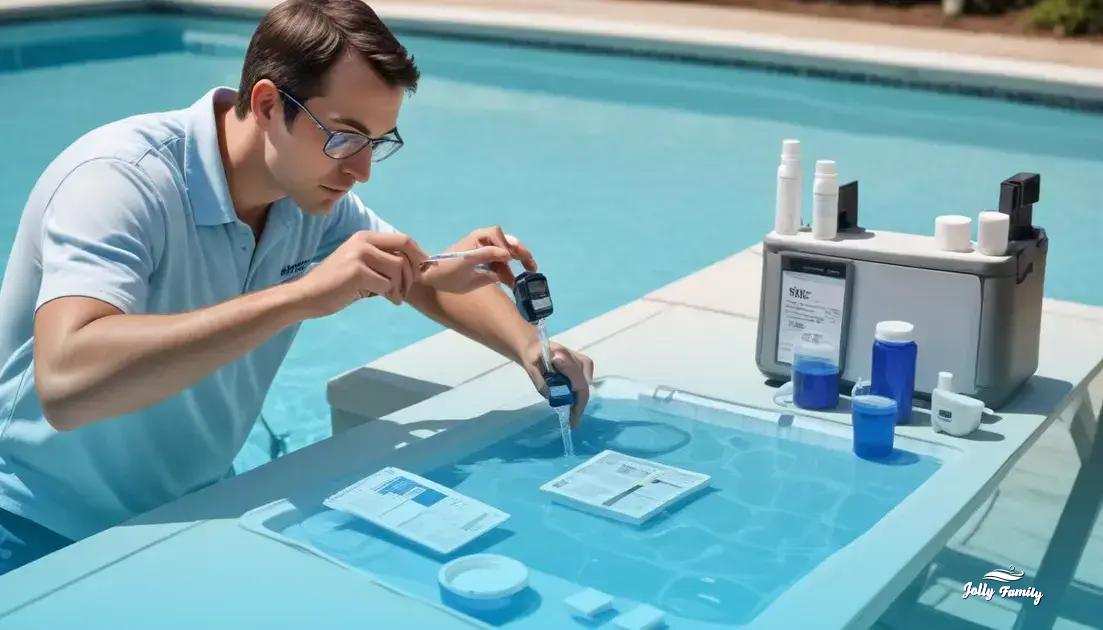
Test your pool water at least once a week and always after heavy guest use, rainstorms, or visible cloudiness. Keep a short log with results and timestamps so you can spot trends before they become problems.
Essential tests and target ranges
- pH: aim for 7.2–7.6 to protect skin, equipment and sanitizer effectiveness.
- Free chlorine: 1–3 ppm for standard pools; raise slightly after heavy use or hot weather.
- Total alkalinity: keep 80–120 ppm to stabilize pH and reduce fluctuations.
- Cyanuric acid (stabilizer): 30–50 ppm for outdoor pools using chlorine tabs.
- Calcium hardness: 200–400 ppm to protect liners and plaster from corrosion or scaling.
Quick weekly steps
- Collect a sample from elbow-depth away from returns. Use a clear container for accurate readings.
- Start with pH and free chlorine using a digital meter or test kit.
- Adjust pH first: add acid (muriatic or sodium bisulfate) to lower, soda ash to raise. Re-test after mixing.
- Correct chlorine next: add chlorine granules or liquid shock for a fast rise; use stabilizer if levels drop quickly in sun.
- Check alkalinity and calcium monthly; adjust slowly and re-test after each change.
Fast fixes for common issues
- Cloudy water: test chemistry, shock the pool, run the filter longer and clean skimmer baskets.
- Algae signs: brush surfaces, shock at night and add algaecide as directed.
- High pH or scaling: lower pH gradually and consider a sequestering agent if scale forms.
Always follow manufacturer directions on chemicals and wear gloves and eye protection. Keep chemicals locked and labeled away from guests.
Pro tip: use a simple chart or app to track levels and share snapshots with your cleaner or co-host. That documentation reduces disputes and speeds troubleshooting.
Timing and coordination with guest turnovers and cleanings
Plan pool service to fit between guest check-out and check-in. Pick a regular window that works for cleaners and guests, and stick to it so everyone knows what to expect.
Suggested scheduling workflow
- Confirm checkout time: ask hosts to provide check-out times and any early departures. Schedule the pool visit after the cleaner or in a coordinated order that prevents overlap.
- Set a fixed service window: choose a 2–4 hour window for weekly visits. Fixed windows reduce surprises for guests and cleaners.
- Communicate clearly: send an ETA, short checklist and expected finish time to the host and cleaner the day before. Include access instructions and any gate codes.
- Use access tools: lockbox, smart lock or coded gate with clear instructions. Change codes periodically for security and log who used them.
- Priority requests: offer rush or same-day checks for early arrivals or guest complaints. Have a simple fee or policy for urgent calls.
Coordination with cleaners and property managers
- Agree on the sequence: some teams prefer pool first, then interior cleaning; others do interior first. Decide what keeps the home guest-ready fastest.
- Share a short digital checklist and timestamped photos after each visit so cleaners know the pool status before final touches.
- Keep a shared calendar or communication thread with the cleaner and co-host to avoid double-booking.
Handling conflicts, weather and emergencies
- Backups: have a second technician or on-call partner for cancellations or equipment failures.
- Weather delays: reschedule quickly and notify the host and incoming guest. Offer an interim check if needed.
- Urgent chemical issues: isolate the pool from guest use, document levels with photos, and give an estimated safe re-open time.
Pro tip: automate reports with timestamped photos and a one-line status (clean/needs repair/closed). That record speeds dispute resolution and builds guest trust.
Handling complaints, safety issues and emergency responses
Respond quickly to any guest complaint about the pool. A fast, calm reply often prevents escalation and negative reviews. Take basic steps immediately while arranging a full check.
Immediate actions to take
- Ask clarifying questions: Is anyone injured? When did the issue start? Are there visible hazards like cloudy water or broken rails?
- Isolate the area: place a caution sign or barrier and tell guests to stay out until you confirm the pool is safe.
- Perform a quick assessment: test water chemistry, scan for debris, and inspect ladders, drains and lights.
- Document everything: take timestamped photos and short notes to record the condition and your actions.
Handling safety incidents and injuries
- Minor injuries: provide basic first aid if trained, offer ice packs and advise the guest to seek medical care if needed. Log the event.
- Serious injuries: call emergency services immediately, secure the scene, and keep bystanders back. Provide first aid only if qualified.
- Equipment failures that risk safety: shut off pumps or heaters if they cause sparks, leaks or unsafe electrical signs, then lock the equipment area and notify the host.
Chemical problems and contamination
- If tests show unsafe chemistry or contamination, close the pool until levels return to safe ranges. Note exact readings.
- For suspected contamination (vomit, feces), follow CDC-style protocols: inform guests, fence off the pool, treat, and document cleaning steps and clearance times.
- Never attempt large chemical corrections alone if you lack training; call a qualified technician and follow MSDS guidance for spilled chemicals.
Communication and escalation
- Notify the host right away: send photos, test results and an estimated timeline to fix the issue.
- Offer clear next steps to guests: explain what you’re doing, expected re-open time, and any compensation or rebooking options the host offers.
- Escalate to professionals: call a licensed pool service, electrician or plumber if equipment is failing. Keep records for insurance or Airbnb claims.
Documentation and follow-up
- Keep a written incident report with photos, timestamps and actions taken. Store it with your service logs.
- Follow up with the host and guest when the pool reopens. Share test results and cleaning receipts if relevant.
- Use incidents to update procedures and avoid repeats. Note trends like frequent algae after heavy weekends.
Prevention and training
- Train staff on emergency response, basic first aid and chemical safety. Run drills once or twice a year.
- Post clear pool rules and emergency contact info for guests. Provide basic safety gear like a life ring and a first aid kit.
- Schedule preventive checks to catch hazards early and reduce complaint calls.
Choosing a local partner in Kissimmee: what to expect from Jolly Family
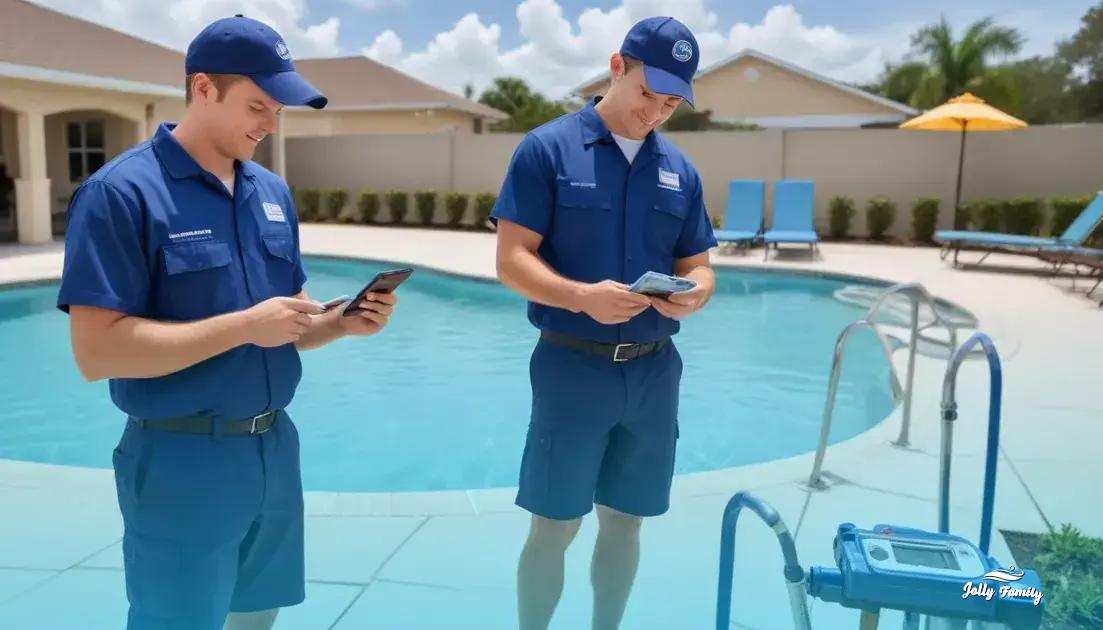
Choose a local partner who knows Kissimmee and treats your Airbnb like a business asset. Jolly Family should offer clear service options, fast response and simple communication so you can relax between bookings.
Services you should expect
- Weekly maintenance: water testing, skimming, vacuuming, filter checks and basic equipment inspection.
- Turnover support: timed visits between cleanings, photos for hosts and coordination with cleaners.
- Emergency calls: rapid response for chemical failures, equipment breakdowns or safety hazards.
- Seasonal care: openings, closings and scale or stain treatments as needed.
Reliability and scheduling
Ask for a fixed service window and a backup tech. A reliable partner confirms appointments, shares ETAs and offers priority service for early guest arrivals or complaints.
Transparency and reporting
- Expect timestamped photos after each visit and a short checklist showing tests and actions taken.
- Clear pricing: know what’s covered in the weekly fee and what counts as extra repair work.
- Digital logs help resolve disputes and show proactive care to guests or Airbnb support.
Safety, certifications and insurance
Verify that technicians are trained in chemical handling and basic first aid. Jolly Family should carry liability insurance and follow safety protocols for contamination and equipment faults.
Local expertise and reputation
Local knowledge matters: Kissimmee weather, pool algae cycles and common equipment issues affect maintenance frequency. Check reviews, ask for local references and request examples of past turnover reports.
Easy onboarding steps
- Request a sample weekly report and a simple service contract.
- Agree on access method (lockbox, smart code) and a regular time window.
- Try a one-month trial to confirm timing, communication and photo reports.
Pro tip: pick a partner that shares short photo reports and test results after every visit. That builds trust with guests and simplifies refunds or claims.
In short: protect your rental and your guests
Weekly pool service keeps water clear, equipment working, and guests safe. Small fixes now stop bigger, costlier problems later.
Test and log chemistry, skim and clean, and inspect pumps and filters each week. Share timestamped photos and a short checklist with your cleaner or co-host.
Pick a local, insured partner who responds quickly to emergencies and coordinates with turnovers. Try a one-month trial to confirm timing and communication.
Start a simple routine: schedule service, provide access details, and keep reports. Guests notice care, and your reviews and bookings will likely improve.
FAQ – weekly pool service for Airbnb hosts
How often should I schedule pool service for my Airbnb?
Schedule weekly visits as a baseline, and add checks after heavy guest use, storms, or visible cloudiness to keep the pool guest-ready.
What does a typical weekly pool service include?
A weekly visit usually covers water testing and adjustments, skimming, brushing, vacuuming, skimmer and pump basket cleaning, filter checks, basic equipment inspection and timestamped photos.
How should service be timed with guest turnovers and cleaners?
Plan service between check-out and check-in in a fixed 2–4 hour window, share ETAs and access codes, and coordinate the sequence with your cleaner to avoid overlap.
What should I expect if a guest reports a pool problem or safety issue?
Expect a quick reply, an immediate safety isolation if needed, a chemistry and equipment check, timestamped photos, and prompt notification to the host with next steps.
How do I choose a reliable local partner like Jolly Family?
Look for fixed service windows, clear pricing, timestamped reports, trained insured technicians, local references, and a short trial period to confirm communication and timing.
Can weekly pool service save me money in the long run?
Yes. Routine maintenance catches small issues early, extends equipment life, reduces emergency repairs, and helps avoid bad guest reviews that can hurt bookings.