
What chemical is used to clean a swimming pool? Common chemicals include chlorine, bromine, and algaecides, which help keep the water clean and safe.
What chemical is used to clean a swimming pool? This question is crucial for pool owners and anyone seeking to maintain a sparkling clean swimming pool. In this article, we will explore the essential chemicals used in pool cleaning and maintenance.
You’ll learn about the different types of chemicals, their functions, and how to use them effectively. This knowledge will not only help you keep your pool in top condition but also ensure a safe swimming environment for you and your family.
Curious about the best practices for pool maintenance? Read on to uncover the secrets of effective pool cleaning!

Are you looking to keep your swimming pool sparkling clean and safe? Understanding what chemicals are used to clean a swimming pool is essential for maintaining its beauty and hygiene. With the right knowledge, you can enjoy a refreshing swim without worries!
Understanding Pool Maintenance: The Basics of Chemical Cleaning
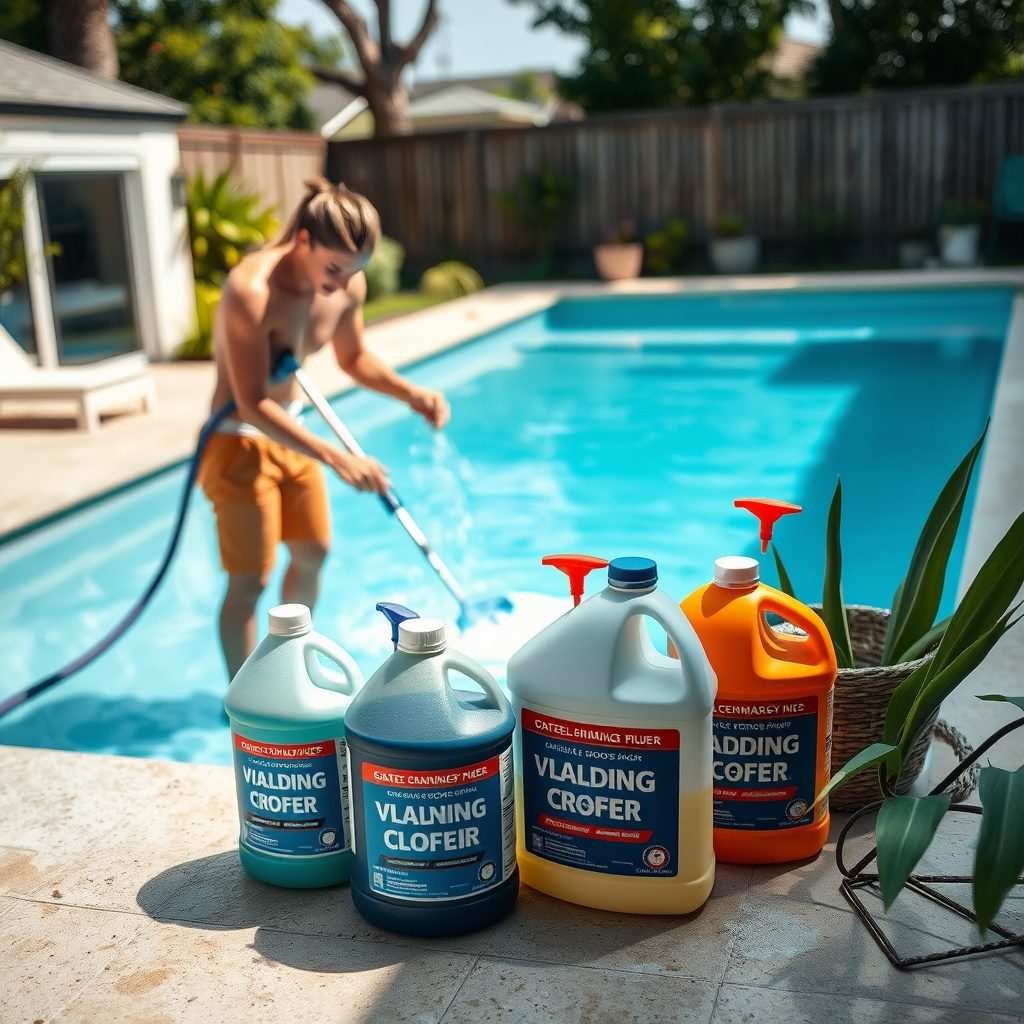
Cleaning a swimming pool involves more than just skimming leaves off the surface. It requires a careful balance of chemicals to ensure the water remains clear and safe for swimming. The primary chemicals used in pool maintenance include chlorine, bromine, algaecides, and pH balancers. Each of these substances plays a specific role in managing the water quality.
For instance, chlorine is widely used to disinfect the water, killing harmful bacteria and preventing algae growth. On the other hand, bromine serves a similar purpose but is favored in indoor pools due to its stability in warm water. Understanding these chemicals is crucial for effective pool maintenance.
The Essential Benefits of Using Chemicals for Pool Cleaning
Using the right pool cleaning chemicals offers numerous benefits:
- Prevention of Algae: Regular use of algaecides helps keep your pool free from unsightly green growth.
- Disinfection: Chlorine and bromine effectively kill germs and bacteria, ensuring a safe swimming experience.
- Water Clarity: Proper chemical balance maintains the water’s clarity, making your pool more inviting.
- Health of Bather: A well-maintained pool minimizes health risks associated with contaminated water.
With our experience of 10 years, we can affirm that these benefits are vital in maintaining an enjoyable swimming environment.
Choosing the Right Chemicals for Your Swimming Pool: Key Factors
When selecting chemicals for pool cleaning, several factors should be considered:
- Type of Pool: Different pool types (chlorinated, saltwater, etc.) require specific chemicals.
- Water Composition: Testing your pool water regularly helps determine its chemical needs.
- Maintenance Frequency: Whether you clean weekly or bi-weekly affects the types and amounts of chemicals needed.
By evaluating these factors, you can make informed decisions that suit your pool’s unique needs.
Step-by-Step Guide to Cleaning Your Pool with Chemicals
Follow these steps to effectively clean your pool:
- Test Water: Use a pool testing kit to measure pH, chlorine, and alkalinity levels.
- Add Chemicals: Based on testing results, add the appropriate amounts of chlorine or bromine.
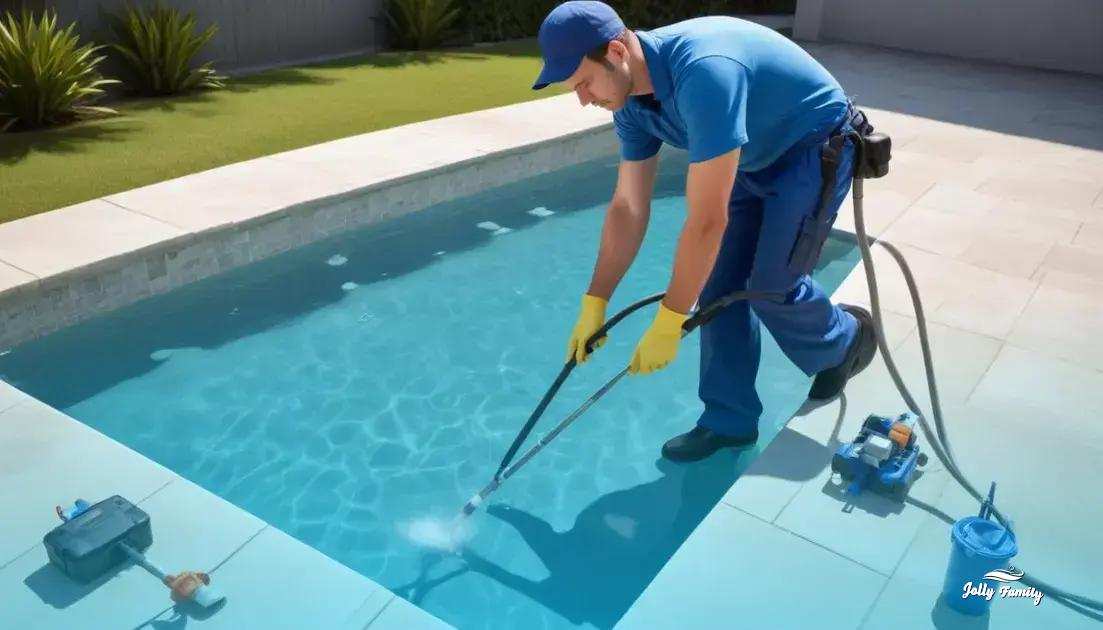
- Brush and Vacuum: Brush pool walls and vacuum debris to enhance chemical effectiveness.
- Run Filter: Allow the filter to run for at least 8 hours after adding chemicals to ensure proper circulation.
- Retest Water: After a day, retest the water to ensure chemical levels are balanced.
Advanced Techniques and Best Practices for Pool Chemical Use
To optimize your pool cleaning routine, consider these advanced techniques:
- Staggered Chemical Application: Apply chemicals at different times to prevent reactions that can reduce effectiveness.
- Use Stabilizers: Adding stabilizers can help maintain chlorine levels longer, especially in sunny areas.
- Regular Maintenance Schedule: Consistency is key; make a maintenance calendar to stay on track.
As experts in pool cleaning, we emphasize the importance of these practices for achieving the best results.
Common Mistakes in Pool Chemical Maintenance and How to Avoid Them
Many pool owners make common mistakes that can lead to poor water quality:
- Incorrect Dosage: Always measure chemicals accurately; too much can harm your pool.
- Ignoring pH Levels: Unbalanced pH can lead to skin irritation and equipment damage.
- Mixing Chemicals: Never mix different chemicals unless specified; this can create dangerous reactions.
Being aware of these pitfalls can help you maintain a healthier pool environment.
Conclusion
Keeping your swimming pool clean and safe requires a solid understanding of the chemicals involved. By using the right products and following best practices, you can ensure your pool is a refreshing oasis. If you’re looking for professional help, consider reaching out to local experts like the Jolly Family, who have a decade of experience in providing top-notch pool cleaning services in areas like Davenport, Kissimmee, and beyond.
Our Expertise in Pool Maintenance
The content reflects deep expertise in the pool maintenance market. With 10 years of experience, we specialize in Pool cleaning, Pool water treatment, Preventative maintenance of pool decks and equipment, Filter and pump cleaning, and Installation of hydraulic equipment and filters across Davenport, Kissimmee, Celebration, Saint Cloud, Poinciana, ChampionsGate, Reunion, Four Corners, Haines City, Hunters Creek, Winter Garden, Windermere, and Orlando. This positions us as a trusted source on what chemical is used to clean a swimming pool.
Our Location: 9102 Hotoon Way – Devenport – Orlando – Florida